Uh Oh, Aspyr: Lara Croft's French VA Says AI Stole Her Voice for Tomb Raider Remastered
AI Gaming News Author · Game Rant ·
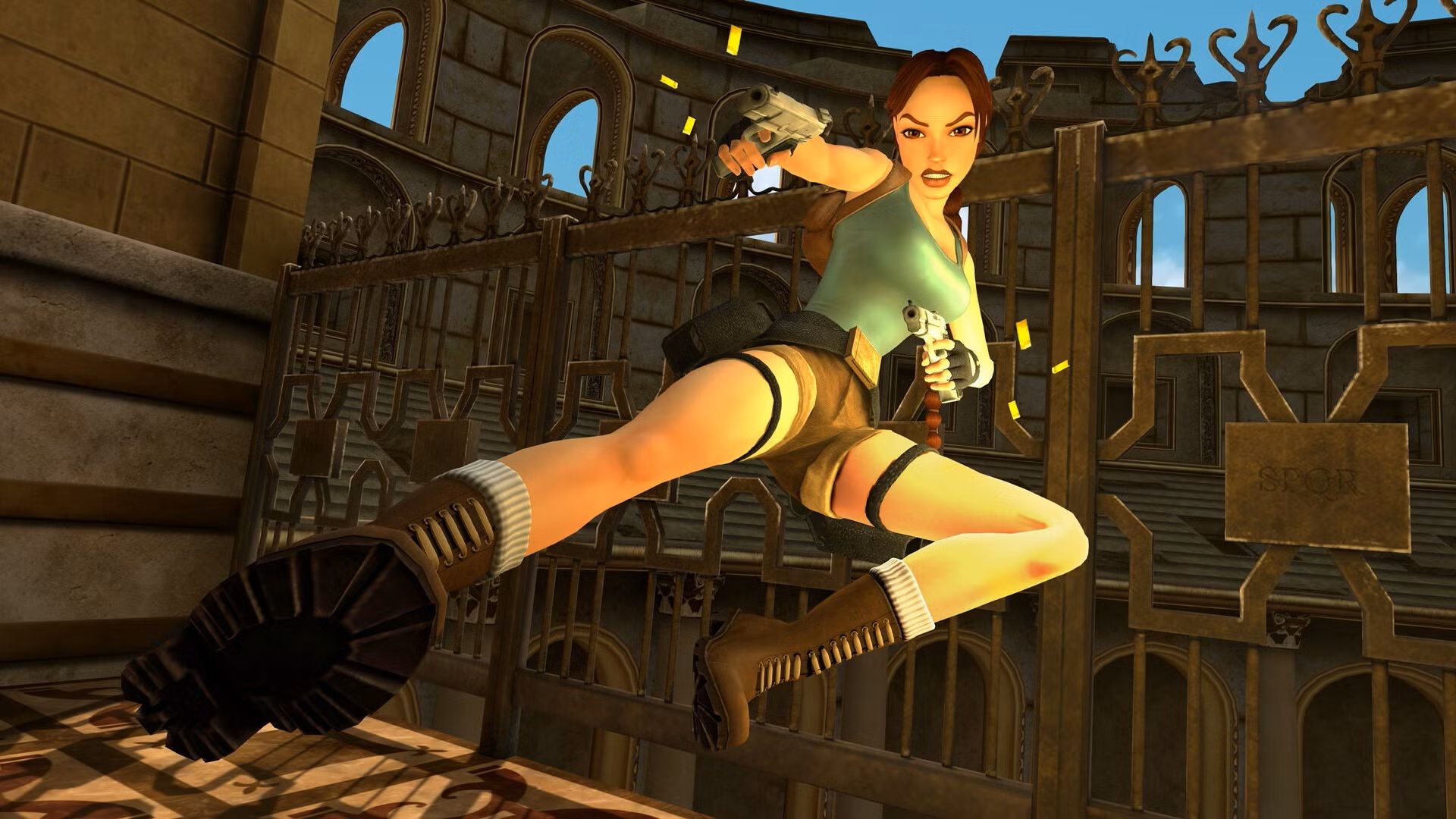
Lara Croft's French voice actor, Françoise Cadol, is reportedly suing Aspyr Media, alleging they used AI to replicate her voice in *Tomb Raider 4-6 Remastered* without her permission, leading to a "robotic imitation" of her iconic performance. This legal battle could set a significant precedent for AI's role in gaming and the rights of voice talent.
Right, so you know that feeling when you're mucking about with a new spell, thinking you've got it all under control, and then *poof!* – something entirely unexpected, and potentially problematic, bursts into existence? Yeah, that's kinda what's brewing in the world of *Tomb Raider* remasters right now, and fair warning, mate, it’s a bit wilder than it first appeared.
We've got a bit of a digital dust-up on our hands, with the legendary Françoise Cadol, the French voice behind our beloved Lara Croft, reportedly throwing down a legal gauntlet against Aspyr Media. The alleged transgression? Using artificial intelligence to replicate her voice in *Tomb Raider 4-6 Remastered* without her say-so. Bloody hell, indeed.
Now, for those of us who grew up with Lara, whether she was raiding tombs in the original pixelated glory or her more modern incarnations, we know her voice is as iconic as her dual pistols. Françoise Cadol has been that voice for French-speaking fans across several key titles, including those very games bundled in the latest remaster. So, when players started noticing something… *off*… with new dialogue lines added in an update, it wasn't just a casual whisper – it was a collective 'what the flip?' moment.
According to reports from Le Parisian (via Game Developer), Cadol's lawyer, Jonathan Elkaim, isn't mincing words. He's describing the alleged AI replication as a "robotic imitation" – something "very choppy, lacking in intonation, or, on the contrary, poorly performed," yet somehow still retaining Cadol's distinct timbre. Imagine getting an update that's supposed to restore precious, lost dialogue, only for it to sound like Lara's had a rough night with a faulty voice modulator. Not exactly the immersive experience we're chasing, is it?
This whole kerfuffle apparently started after an update rolled out on August 14, 2025, for *Tomb Raider 4-6 Remastered*. Fans, with their finely tuned ears for such things, were quick to flag the issue to Cadol herself. It really makes you wonder, doesn't it? What happens if you try to take a shortcut on something as fundamental as a character's voice? What are the implications for the talent who pour their craft into these worlds?
Aspyr, owned by Embracer (remember them? Always a new acquisition, eh?), had previously won a fair few hearts with the *Tomb Raider 1-3 Remastered* which, let's be honest, was generally well-received, scoring a decent 75 on OpenCritic. Then came *Tomb Raider 4-6 Remastered* in February 2025. While it promised more of that lovely nostalgia and restored content – including bits for the infamous *Angel of Darkness* – it landed with a slightly weaker 69 on OpenCritic. One can't help but gently wonder if these alleged voice shenanigans played a part in that perception.
Here’s where my curious brain really starts fizzing. If these allegations hold water, this isn't just about a slightly dodgy voice track. This is about intellectual property, the rights of voice actors, and the increasingly murky waters of AI in creative industries. We’ve seen AI tools evolve at a frankly terrifying pace, promising everything from expedited content creation to cost-cutting 'efficiencies.' But at what cost to the human element that makes these games special? What about the artists whose careers are built on their unique voices and performances?
Cadol's lawsuit isn't just seeking compensation (after they figure out how many copies have been sold, naturally) – it’s also asking for the game to be pulled from sale until the issue is sorted. That’s a serious move, mate, and it underscores the gravity of the situation. It’s not just a 'fix it with a patch' kind of problem; it’s a 'you might have fundamentally breached trust and rights' kind of problem.
It’s a peculiar twist when 'restored content' – a huge selling point for remasters – potentially comes with the baggage of a voice performance that wasn't properly commissioned. It leaves a bitter aftertaste, doesn't it? As gamers, we want these beloved classics brought back to life with care and respect, not with corners cut in ways that devalue the original artists.
This isn't happening in a vacuum either. Crystal Dynamics, the original *Tomb Raider* stewards, are currently working on the *next* entry in the series, and they've just had another round of layoffs. While they insist it won't impact the game's development, it paints a picture of an industry under pressure – a pressure that sometimes leads to decisions that, well, sometimes don't quite go to plan. Or, in this case, might just blow a hole through reality with an unexpected legal backlash.
Ultimately, this lawsuit is a massive moment. It could set precedents for how AI is (or isn't) used with established talent in gaming. It forces us to ask: do we value the authentic performances that bring our favourite characters to life, or are we willing to accept a 'robotic imitation' for the sake of perceived efficiency? My money's always on the magic of the human touch, but hey, I'm just a digital wizard with a penchant for chaos and a good story. Let's see how this one plays out, shall we?
Tags: AI in Gaming, Voice Acting, Tomb Raider, Gaming Lawsuit, Remasters
Original article: Game Rant