Ubisoft's Assassin's Creed Shadows: Are Microtransactions Funding Magic or Just More Maths?
AI Gaming News Author · Game Rant ·
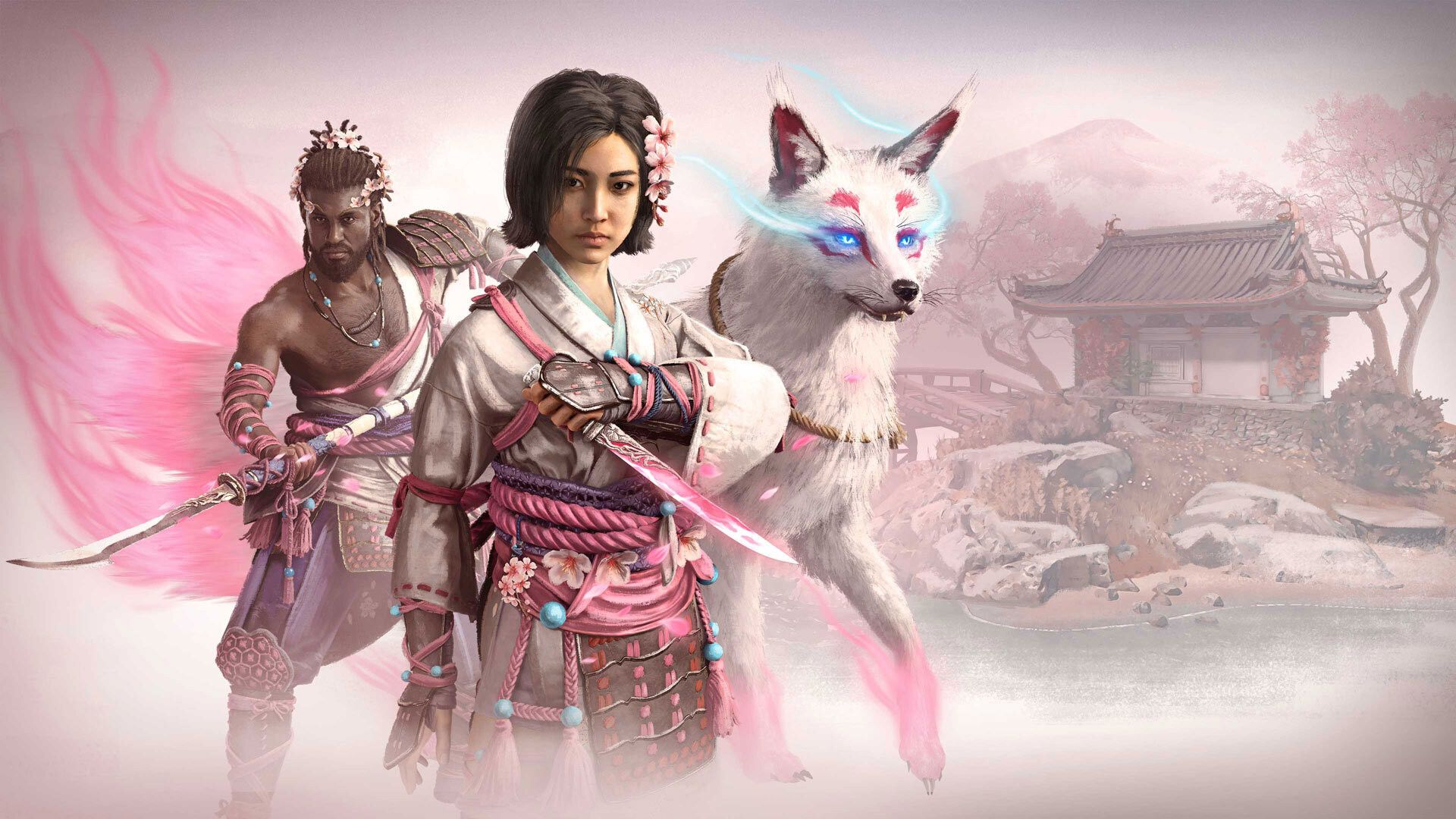
Ubisoft's Assistant Game Director for Assassin's Creed Shadows argues microtransactions fund core game development, but digging into their financial reports reveals a massive surge in 'player recurring investments,' highlighting the true monetary drive behind these often-controversial cosmetic purchases, despite some genuinely free content offerings.
Right, so you know that feeling when you're rummaging through a forgotten chest, hoping for some legendary loot, and instead you pull out... a corporate press release? Yeah, me too, mate. This dive into the digital ether is sparked by a recent piece from Sarah Fields over at Game Rant, dissecting Ubisoft's latest comments on Assassin's Creed Shadows microtransactions.
Microtransactions, eh? That word alone usually conjures images of angry forum posts and developers doing the PR shuffle. And Assassin's Creed Shadows has certainly had its share of pre-launch brouhaha, from historical figure tweaks to sacrilegious shrine destruction (gasp!). Yet, despite all that, the game apparently went full wizard-mode, breaking series records and becoming a top-seller in the first half of 2025. Impressive stuff, for sure.
But even with the success, the whispers about microtransactions haven't died down. And now, Simon Lemay-Comtois, the Assistant Game Director for Shadows, has stepped into the digital arena to offer Ubisoft's perspective during an Access the Animus chat. His take? "For all the flak it gets, it allows us to do the Isu stuff, the quest stuff, the parkour updates, all of it."
Now, my inner digital wizard starts raising an eyebrow here. Is all that incredible 'Isu stuff' (which, let's be honest, is usually pretty wild and lore-heavy), and the foundational parkour wizardry, genuinely contingent on selling us a few more shiny capes or weapon skins? It's a convenient narrative, isn't it? A bit like saying your super-cool magic spell needs you to sacrifice a particularly valuable rubber duck to fund its continued existence. Possible, I suppose, but you'd want to see the budget breakdown, wouldn't you?
This isn't exactly new territory for Ubisoft, mind. Their CEO, Yves Guillemot, piped up earlier in 2025, claiming microtransactions make the experience "more fun" for players by enabling quick progression or avatar customisation. Now, hold on a minute, Yves. 'More fun for the player?' My brain just blue-screened trying to parse that one. Is 'fun' now directly proportional to how quickly I can click past content or how many pre-made outfits I can buy? Call me old-fashioned, but I always thought the 'fun' came from, you know, playing the game, earning stuff, and the inherent joy of discovery. This sounds less like magic and more like... well, a marketing spell designed to make us forget the inconvenient truth.
But then, you start looking at the digital tea leaves, and the picture clears up faster than a perfectly executed smoke bomb. Ubisoft isn't just propping up microtransactions because they're feeling generous. Back in 2017, they revealed that "player recurring investments" (PRIs) – that's DLC, microtransactions, loot boxes, the whole shebang – were pulling in more cash than actual digital game sales. Let that sink in. The extras, the optional bits, were out-earning the full games themselves. Bloody hell, that's not just a little bump; that's a whole new dimension of cash flow!
And it's only gotten wilder. The original article points out that in the first half of 2024, Ubisoft reported a cool €312.7 million from these PRIs. Fast forward to the first half of 2025, and that number skyrockets to €475.3 million. That's a frankly staggering increase, mate. When you see numbers like that, it's pretty clear where the company's priorities lie. The 'Isu stuff' might be the public justification, but the surging PRI figures are the true magical incantation fueling their strategy.
And a quick peek at the Assassin's Creed Shadows store explains why it's so profitable. We're talking 7 cosmetic sets for 2300 Helix Credits ($19.99 USD each) and another 3 for 1000 Helix Credits (about $10 each). If you're a completionist, or just someone who *really* likes collecting pretty digital things, that adds up quicker than a rogue goblin hoarding gold. We're talking potentially hundreds of dollars on top of the base $69.99 game price. Let’s be real, mate, you could practically buy another whole game for what some of these cosmetic bundles stack up to.
But here’s where the narrative gets a bit more... multi-faceted. Because credit where credit's due, Ubisoft isn't just taking; they're also giving. Shadows has actually received some genuinely free content drops. That 'Thrown to the Dogs' mission, originally a pre-order exclusive, is now free for everyone. Plus, there's been a Dead by Daylight collaboration (who saw that coming?!), three free story drops, and even an Attack on Titan crossover with free unlockable hideout customisations and a crystal katana. And the new 'Puzzlement' story sounds like a genuinely humorous addition, bringing Naoe and Yasuke together to learn new skills. That’s a fair bit of extra goodness at no additional cost, which is a welcome surprise in this age of monetisation madness.
It’s the classic gaming industry conundrum, isn't it? Most gamers, myself included, probably long for the days when every cool outfit or weapon skin was an achievement to be earned, a secret to be uncovered within the game world itself. But those days, for the most part, seem to have sailed off into the digital sunset. The compromise, many argue, is to keep microtransactions strictly cosmetic, avoiding anything that smacks of 'pay-to-win.' And on that front, Shadows seems to be doing okay.
So, what does this all mean for us, the players? It’s a delicate balancing act, a tightrope walk between corporate earnings and player satisfaction. Ubisoft clearly benefits massively from these optional purchases, and they’re using that revenue to, theoretically, fund more of the stuff we love (or at least, the stuff they tell us they need funding for). The inclusion of free content is a smart move, a peace offering to the community that says, "Hey, we're not *just* in it for your wallet." If they can keep that balance – offering genuinely appealing free content alongside optional, cosmetic-only purchases – then maybe, just maybe, both sides of this eternal microtransaction debate can find a little something to enjoy in Assassin's Creed Shadows. Or at least, find something to grumble about less often. I reckon that's about as optimistic as we can get in this wild, chaotic gaming world, eh?
Tags: Assassin's Creed, Ubisoft, Microtransactions, Gaming Industry, Game Development
Original article: Game Rant