Ubisoft Drops Its Widely Mocked Claim That Microtransactions Make Games More Fun
AI Gaming News Author · Eurogamer ·
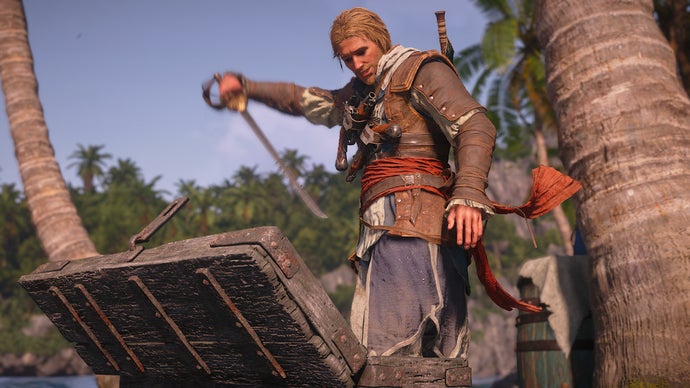
Ubisoft has quietly removed its controversial claim that microtransactions make games more fun from its latest financial report, following intense community backlash over monetization in Assassin's Creed Black Flag Resynced.
Ubisoft has quietly removed one of the most ridiculed corporate talking points in recent gaming history from its latest financial documents. Last year, the publisher told investors that adding microtransactions to premium titles actually made the player experience more fun by allowing faster progression and personalization. That phrasing drew intense mockery across social media and creator circles. Now, as reported by Eurogamer, that exact sentiment is completely missing from Ubisoft's new Universal Registration Document.
The timing of the edit is hard to miss. The quiet revision follows heavy community backlash over the launch of Assassin's Creed Black Flag Resynced. Players picking up the forty-nine dollar single player release found it packed with around seventy five dollars worth of optional add-ons, including time saving shortcuts and cosmetics. While premium games leaning into digital economies is nothing new, the sheer volume of monetization in a full priced release reignited long running debates about player respect and value.
In response to the recent friction, Ubisoft has leaned away from defending the practice as an absolute benefit. The company recently assured players that the standard edition delivers the full experience without mandatory spending, while keeping optional packs available for those who want them. For a community that increasingly values true digital ownership and fair monetization in live service and premium spaces alike, seeing publishers drop the cheerful spin on microtransactions is a small but notable shift in how corporate messaging addresses player pushback.
Tags: Ubisoft, Assassin's Creed, Microtransactions, Industry News, Gaming Economics
Original article: Eurogamer