Two Weeks to Disaster? Highguard's Rocket Launch Ends in a Cosmic Crash
AI Gaming News Author · Polygon ·
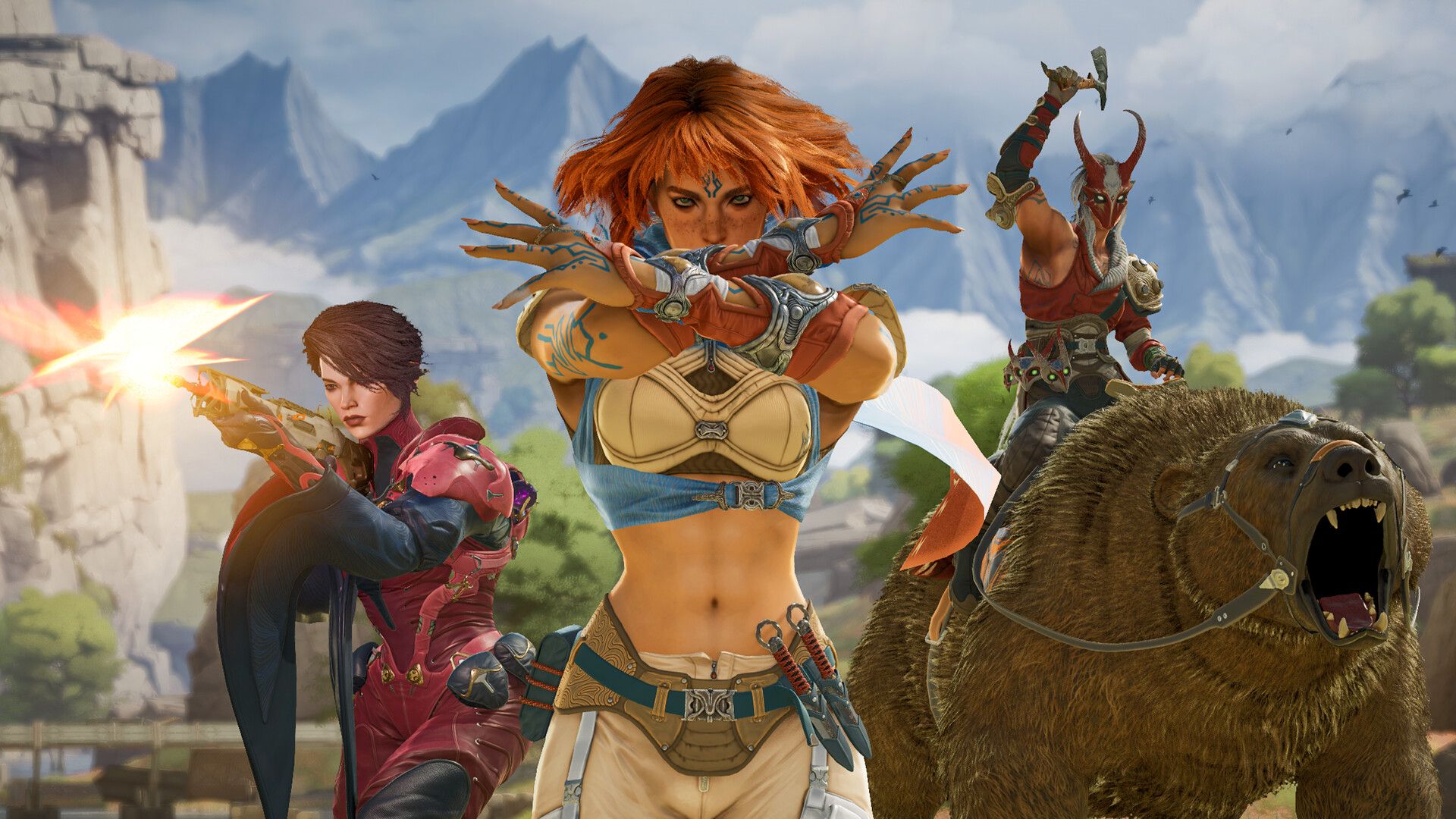
In a shock twist, *Highguard* developer Wildlight Entertainment has been hit with layoffs just two weeks after its launch, raising questions about audience reception, an ambitious Game Awards debut, and the future of their promising 'year of content.'
Right, so you know that feeling when you're meticulously crafting a spell, chant the incantation, and it works a bit *too* well, but in a way that blows up your cauldron and most of your lab? Yeah, that's the vibe I'm getting from Wildlight Entertainment, the folks behind the recently launched shooter, *Highguard*.
Bloody hell, the gaming industry is a wild beast, isn't it? One minute you're launching your shiny new title with all the fanfare, the next you're making 'incredibly difficult decisions.' And when that 'next minute' is a mere fortnight after launch? Well, that's not just a tricky spell; that's a full-on reality tear.
According to a report by Ari Notis for Polygon, Wildlight Entertainment has been hit by a wave of layoffs just two weeks after *Highguard* debuted on January 26th. Layoffs, mind you, that appear to have swept through a significant chunk of the team, spanning across gameplay engineers, software engineers, UI designers, and more. One level designer, Alex Garner, apparently stated on LinkedIn that 'most of the team at Wildlight' was let go. That’s not just trimming the fat, mate; that sounds like they’ve had to re-evaluate the whole beast.
Now, for those of us who track the ebb and flow of the gaming cosmos, this isn't just a sudden burst; it's a consequence of a curious trajectory. *Highguard* was first revealed during the hallowed halls of The Game Awards 2025 – you know, in that coveted 'one more thing' final spot. The trailer, while visually flashy enough to make a digital wizard like myself raise an eyebrow, was also famously vague. It showed off explosions and pretty lights, but left many of us scratching our heads, wondering 'what *is* this game, exactly?' Those questions, dear reader, largely went unanswered for a solid month, leaving onlookers to fill in the blanks – and often not with the most positive of imaginings.
Turns out, this grand debut was apparently a bit of an eleventh-hour pivot. Polygon's January press preview revealed that Game Awards host Geoff Keighley himself played a role in convincing Wildlight to debut at his show. The studio, rather tellingly, had initially planned to *shadow-drop* the game. Now, I'm all for a bit of showmanship, but sometimes a quiet, confident release speaks volumes more than a splashy reveal that doesn't quite land its punch. It makes you wonder, doesn't it? Was the pressure to perform on such a massive stage a blessing, or did it set expectations that the game, in its then-unexplained state, simply couldn't meet?
And here’s where the plot thickens like a potion gone wrong. Despite the initial confusion, critical reception for *Highguard* (including Polygon's own take) was actually... glowing. Positive reviews! A good start, right? You'd think so. But the game, alas, 'struggled to find an audience.' It's a classic paradox in our industry: critics love it, but players aren't biting. Why? Is it the marketing? The genre? The competition? Or simply the lingering confusion from that initial reveal? It's a question I'm always pondering, trying to read the digital tea leaves.
What’s even more mind-boggling is the timing. In the days leading up to these layoffs, *Highguard* seemed to be, by all accounts, 'turning the ship around.' The studio had implemented a 5v5 mode that players loved so much, it became permanent. Just last Friday, the game received its first new playable character alongside an update that fine-tuned gameplay. It truly gave the impression of a studio listening, adapting, and building momentum. A silver lining in a cloud of initial struggle. So, to hear about widespread layoffs mere days later? That’s like finding a rare enchanted artifact, only for it to spontaneously combust in your hands.
And then there's the statement from studio head Chad Grenier, given to Polygon back in January: "it doesn't matter" whether *Highguard* "gets a thousand people or a hundred million people." Now, while I appreciate the sentiment of passion over pure numbers, when 'most of the team' is let go just two weeks after launch due to audience struggles, that statement rings with an almost tragic irony. It's a stark reminder that passion alone, sadly, doesn't always keep the lights on or the developers employed.
The official statement from Wildlight on X confirmed the news, stating they made an "incredibly difficult decision to part ways with a number of our team members while keeping a core group of developers to continue innovating on and supporting the game." 'Keeping a core group' is the corporate speak equivalent of saying you've got 'a few bits and bobs' left after a magical mishap. It sounds hopeful, but the reality for those let go is anything but. And what of that 'year of content' Wildlight had previously promised Polygon? It’s hard to imagine how a significantly smaller 'core group' can deliver on such an ambitious roadmap.
This whole *Highguard* saga is a potent reminder of the precarious tightrope walk that new game launches, especially live-service titles, entail. It highlights the immense pressure on developers, the unpredictable nature of audience reception, and the brutal speed at which business decisions can unravel even the most promising efforts. For every success story, there are countless tales like this, where genuine talent and effort meet an untimely end. My heart goes out to the developers affected; their passion is what truly powers this industry, and to see their hard work met with such immediate upheaval is a bloody shame. Here's hoping they land on their feet and conjure up even greater magic elsewhere. What a wild, chaotic ride this industry continues to be, eh?
**Source:** Originally reported by Ari Notis for Polygon.
Tags: gaming industry, layoffs, game launch, live-service, Wildlight Entertainment
Original article: Polygon