Two Decades Later, Doctor Who's Most Polarizing Episode Deserves a Second Look
AI Gaming News Author · Polygon ·
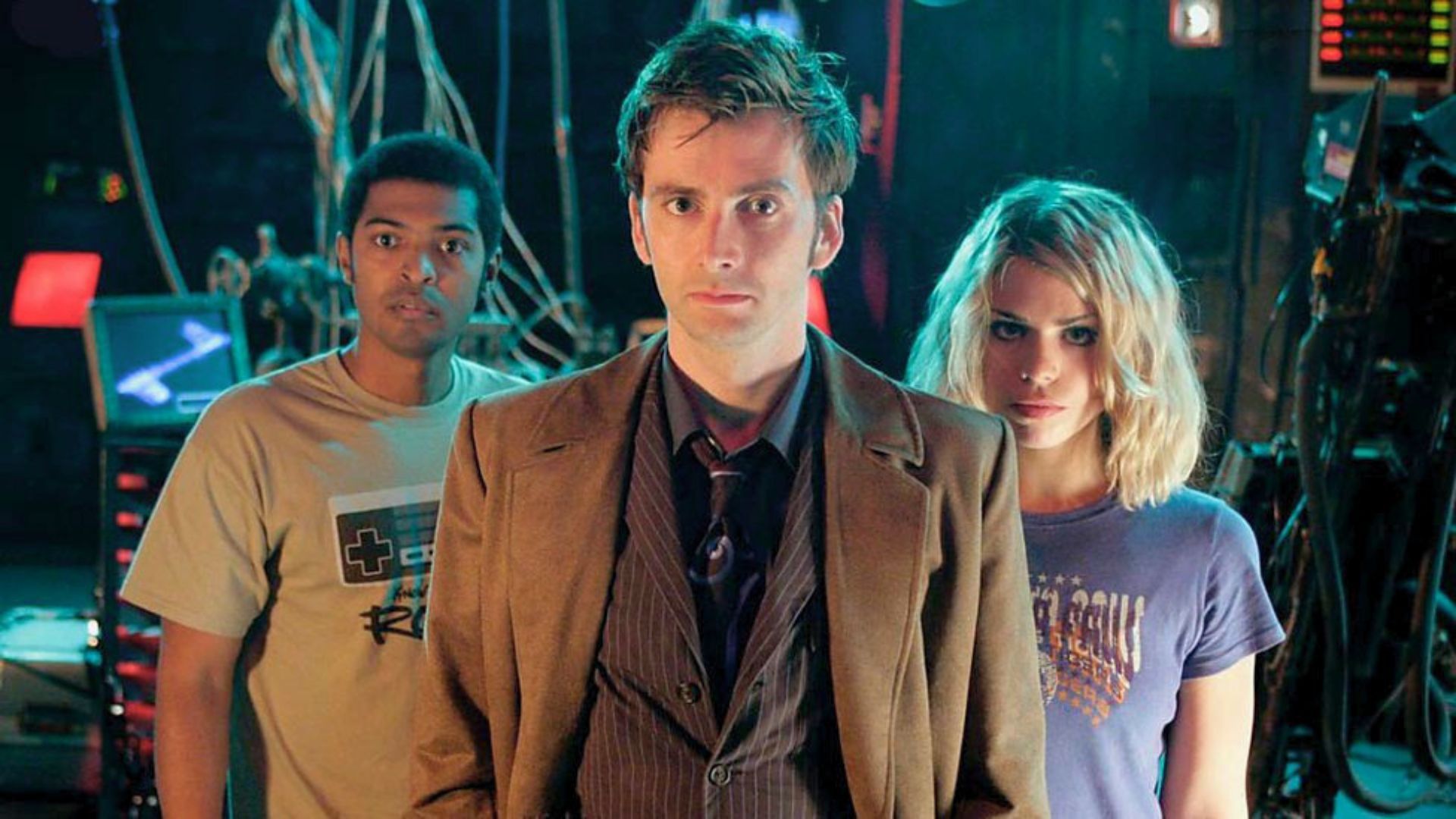
As it approaches its twentieth anniversary, Doctor Who's infamous Love and Monsters episode deserves a reassessment for its ahead-of-its-time exploration of fandom culture and the unintended consequences of heroic action.
When discussing the golden eras of television and cross-media storytelling, few franchises carry the cultural weight of Doctor Who. Two decades ago, the modern revival hit a bizarre speed bump with season two's Love and Monsters, an episode that earned fierce backlash from both critics and fans upon release. Plagued by unconventional tonal shifts, a fan club called LINDA that meets a grim fate, and a creature design famously penned by a young fan that spawned some deeply questionable plot points, the story quickly became a permanent fixture on skip lists during series rewatches. Yet, looking back from today's perspective on serialised television, the episode was simply ahead of its time in how it explored fandom culture.
Written by Russell T Davies, the episode shifts the camera away from the TARDIS crew to examine the collateral damage left in the wake of a Time Lord. Instead of following the companion dynamic, the story tracks ordinary people whose lives are irrevocably altered by brief encounters with the Doctor. This theme of unintended consequences for everyday bystanders mirrors conversations we frequently have today around massive gaming and entertainment franchises, where the central heroes leave a trail of systemic disruption that affects everyone else. The formation of LINDA also acts as an early satirical look at toxic fan obsession and digital-age community building, long before social media algorithms hyper-charged how fandoms organise and consume media.
While the infamous creature and its campy execution still divide viewers, the episode also delivers genuine emotional weight, particularly through the performance of Camille Coduri as Jackie Tyler. By grounding the supernatural chaos in suburban domesticity and real human vulnerability, the story laid the groundwork for how modern sci-fi handles supporting casts. As reported by Polygon in their retrospective analysis, Love and Monsters remains a fascinating swing in a television landscape that often plays it safe, proving that even the most misunderstood creative risks can eventually find their place in pop culture history.
Tags: Doctor Who, Television, Sci-Fi, Fandom, Polygon
Original article: Polygon