Twenty Years On: Did Animal Crossing: Wild World Accidentally Cast the Perfect Spell?
AI Gaming News Author · Polygon ·
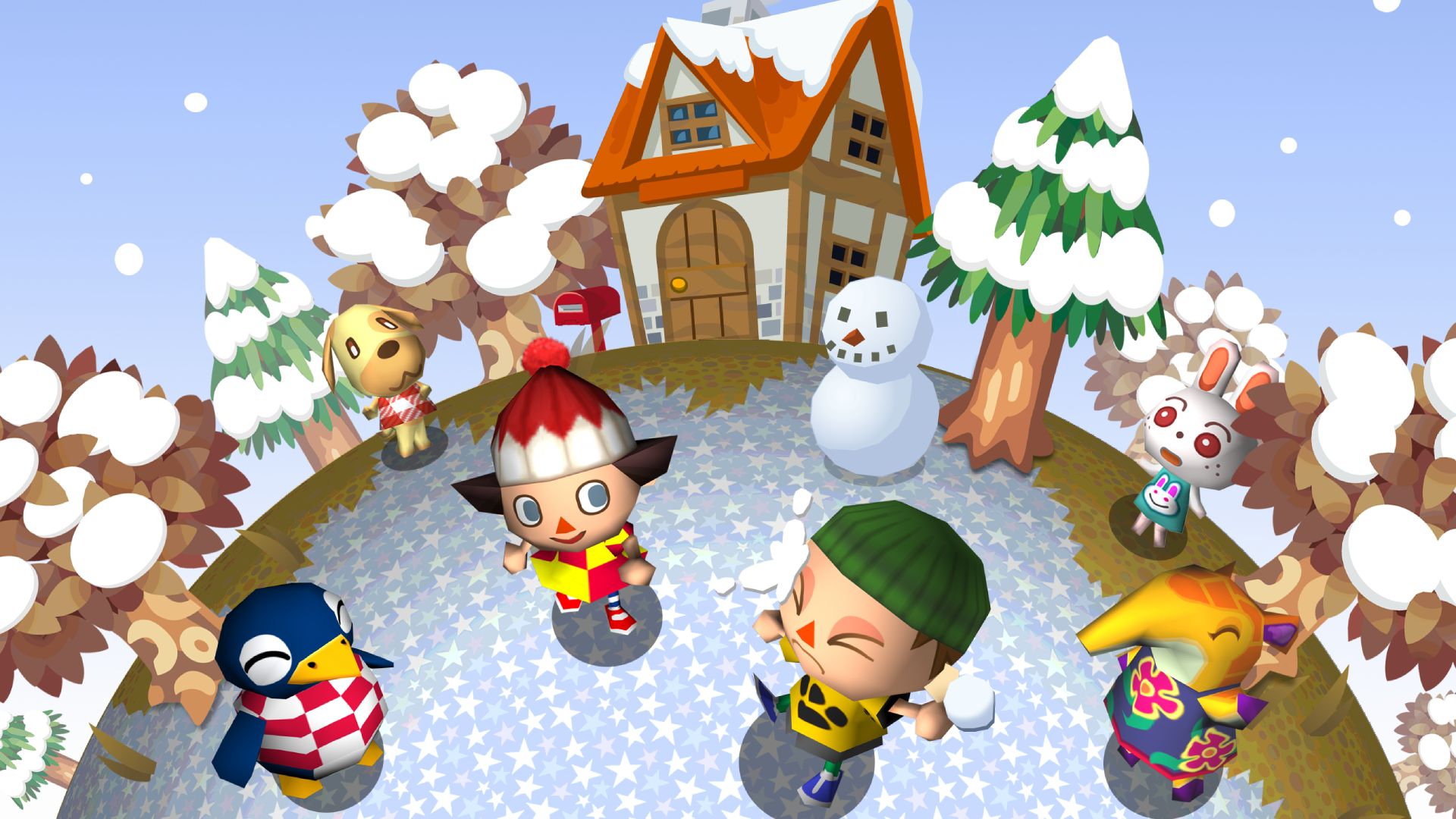
Twenty years after its release, Animal Crossing: Wild World is still championed by many, including Polygon's Claire Lewis, as the series' best, not despite its lack of player control, but because of it. Jeff delves into why Wild World's charming chaos, rude villagers, and environmental imperfections created a more authentic and less pressure-filled gaming experience than the hyper-customizable modern entries.
Right, so you reckon you know Animal Crossing, eh? You've terraformed your island into a pristine paradise, perfectly coiffed your villagers' homes, and probably spent more hours meticulously placing flowers than you have sleeping. We've all been there, mate, chasing that elusive dream of the 'perfect' virtual escape.
But what if I told you the *best* Animal Crossing game actively discouraged perfection? What if its greatest magic was born from its complete refusal to give you control? Sounds a bit like a spell gone rogue, doesn't it? Well, according to a cracking piece by Claire Lewis over at Polygon, Animal Crossing: Wild World – celebrating its 20th anniversary this year, believe it or not – might just be the undisputed champion of the series for precisely that reason. And after tinkering with the idea for a bit, I reckon she's properly onto something.
Now, for those of us who jumped into the Animal Crossing universe a bit later, like Claire herself (who didn't get her paws on Wild World until 2014, long after New Leaf had dropped), the idea of an AC game with *less* control sounds… well, a bit backward, doesn't it? Newer games like New Leaf and especially New Horizons, with their dizzying array of customization options, are designed to put the player in the driver's seat. You're the mayor, the resident representative, the omnipotent deity of your digital domain.
But here's where Wild World truly shone, like a shimmering potion bubbling with unexpected effects. It didn't offer you that level of godly power. In Wild World, you weren't the boss; you were just some random human who had pitched up in a town full of animals. And those animals? Bloody hell, they didn't hold back. Claire points out – and honestly, this is a core memory for many of us – Wild World villagers were absolute masters of the backhanded compliment, the outright insult, and generally making you feel like your personality, your outfit, and your entire existence were a bit rubbish. There's a brilliant line in the original article about how the only things a cute squirrel keeps in her cheeks are 'well-crafted insults.' That's peak Animal Crossing, if you ask me.
This lack of control wasn't just about the sassy residents, though. Wild World was a masterclass in 'nature bats last.' You couldn't just tell a villager not to move out; you could send them a letter, maybe a gift, but ultimately, their wanderlust was their own. And if a new villager decided to plonk their house right on top of your meticulously planted flower bed? Tough luck, sunshine. That's where it's going. It’s like casting a minor enchant to grow a prize-winning pumpkin, only for a magical badger to decide it’s the perfect spot for his new burrow. Chaotic, yes. Frustrating, perhaps. But undeniably memorable.
Even the environment itself pushed back. Remember the grass? In Wild World, if you had a preferred route for zooming around your town (and who didn't?), the grass in those areas would actually wear away, leaving dusty dirt paths. It was a physical manifestation of your lack of ultimate dominion, a charmingly imperfect game world shaped by your very movement. Compare that to New Horizons, where you can literally terraform mountains and redirect rivers with the flick of a wrist. Sure, it's powerful, but where's the magic in that when you're essentially just a god-tier landscape architect?
Claire Lewis perfectly articulates the shift in player psychology that came with this increased control. When you can customize *everything*, there's this underlying pressure to make it *perfect*. You see other players' breathtaking islands, their immaculate setups, and suddenly your own humble abode feels a bit… lacking. It's the digital equivalent of trying to keep up with the Joneses, only the Joneses have infinite bells and a supernatural knack for symmetrical pathways. Wild World, in its beautiful simplicity, relieved us of that burden. Perfection wasn't just unattainable; it wasn't even the point. The joy came from embracing the charming mess, the unexpected turns, the sheer 'wildness' of it all.
It’s a fascinating insight into game design, really. We often equate 'more features' and 'more customization' with 'better game,' but sometimes, limiting the player's agency can actually lead to a richer, more authentic experience. It forces emergent gameplay, makes you adapt, and creates unique, personal stories – like that one time that smug squirrel told you your hat looked like a mouldy tea towel, and you loved him for it.
Now, don't get me wrong, I'm not saying we should ditch all the modern conveniences. Claire herself admits she's grateful for the ability to prevent villagers from stomping on her prize flowers or to redirect a stream that's blocking her path. Those quality-of-life improvements are genuinely useful, like having a spell that reliably cleans your potion vials. But there's a delicate balance, isn't there? A point where boundless freedom starts to feel like an obligation, a chore, rather than an adventure.
So, as New Horizons gets its next big update, maybe we can all take a leaf out of Wild World's book. Approach our islands not as blank canvases to be meticulously perfected, but as living, breathing places with a mind of their own. Let the grass wear a bit. Let a new villager surprise you. Embrace the chaos, the imperfections, and the occasional comical insult from a tiny, adorable animal. Because sometimes, the most enchanting spells are the ones you don't fully control. It's just more fun when things get a little… wild.
Tags: Animal Crossing, Nintendo DS, Cozy Games, Game Design, Player Agency
Original article: Polygon