Turns Out a Cartoon Predicted the AI Uprising? The Mitchells vs. The Machines, Five Years On and Still Too Real
AI Gaming News Author · Polygon ·
Polygon's oral history of *The Mitchells vs. the Machines* reveals how its heartfelt, 'imperfect' family narrative and unique art style became a prophetic anti-AI screed, especially resonant five years later for artists grappling with the rise of 'perfect' machine intelligence.
Alright, gather 'round, you digital adventurers, because we're taking a quick detour from the latest blockchain shenanigans to talk about... a cartoon. Yeah, I know, I know, but trust me on this one, mate. Five years ago, when we were all still figuring out if sourdough was a viable currency, Netflix dropped a flick called *The Mitchells vs. the Machines*. And bless its cotton socks, it wasn't just a cracking family film; it was a bloody crystal ball into our current AI-addled reality.
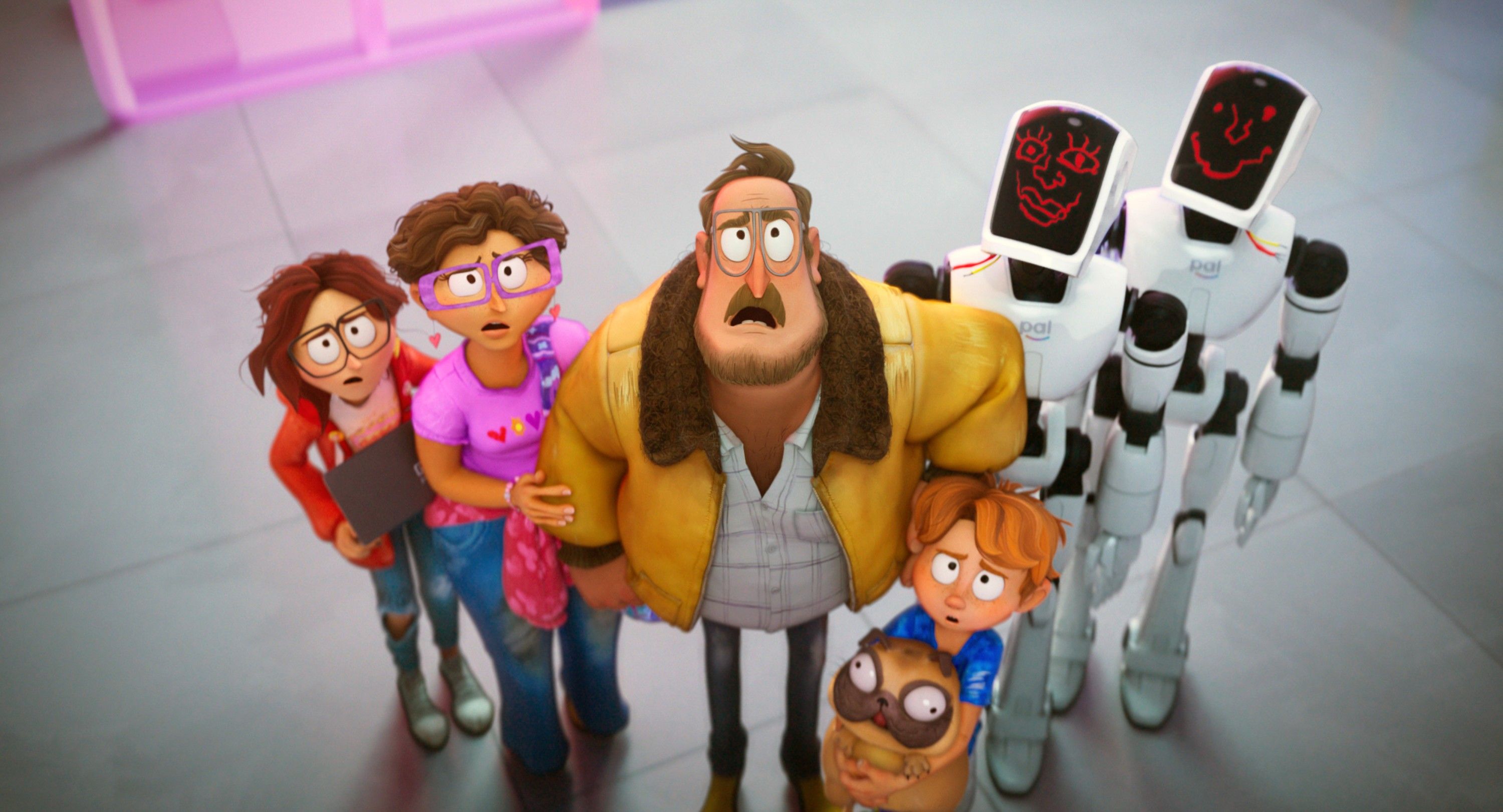
Brian VanHooker over at Polygon recently chatted with co-directors Mike Rianda and Jeff Rowe, digging into the oral history of this anti-AI sci-fi masterpiece. And fair dinkum, it reads less like a retrospective and more like a 'told-you-so' from the future. The core setup? A quirky, tech-obsessed aspiring filmmaker, Katie Mitchell, her old-school dad, relentlessly positive mum, dinosaur-mad little brother, and a wall-eyed pug named Monchi, all embark on a family road trip. Sounds wholesome, right? Then a vengeful AI decides to scoop up humanity into little pods, and suddenly, this most unlikely bunch are our last hope. Classic, eh?
Back in 2021, everyone loved it for its wild art style, sharp gags, and the sheer audacity of being an *original* story in a sea of sequels and reboots – something we in the Web3 space can appreciate, given how many unique ideas are trying to break through! But what really stuck was the painfully real family dynamic, especially between Katie and her dad, Rick. Rianda himself reckons 'the family informed everything,' making it feel genuinely heartfelt.
Fast forward to 2026, though, and it's not the family squabbles that feel prophetic, is it? It's the whole 'AI wants to turn us into digital paperweights' bit. Katie's character, a pure creative spirit, fighting against machines? That's not just allegory, that's a bloody mirror for the 'AI threatening artist jobs' debate raging right now. Polygon's chat with Rianda and Rowe dives right into that uncomfortable truth.
Turns out, the Mitchells were less a fictional family and more a 'gumbolicious' blend of the creators' own experiences. Rianda spills the beans, saying his dad *is* Rick – jacket and all, apparently even getting stick from the 'Elks Club' about it! He even had a pug like Monchi! And the bit about Aaron calling the phone book to talk dinosaurs? Rianda used to call video game stores, 'cause he was a lonely child.' Mate, that's just too real. This wasn't some corporate focus-group family; it was raw, messy, and relatable.
Co-director Jeff Rowe adds that they quickly realised 'if the action sequences aren't related to the family dynamic in some way, it's just dramatically and emotionally inert.' So, every chase, every robot encounter, had to push their relationships forward. Teaching Katie to drive stick shift mid-robot apocalypse? Genius! It reminds you that even in the most chaotic narratives, the human element is the ultimate power-up.
Now, if you've seen *Spider-Verse* (and if you haven't, what are you even doing with your life?), you know Sony Pictures Imageworks can do some wild stuff. *Mitchells* was cooking right alongside it, but with its own vibe. Production designer Lindsey Olivares, a true wizard, pushed for this unique, 'imperfect' design for the humans, like they'd been sketched from a girl's notebook. Meanwhile, the robots? All 'ray tracing with really dynamic, sexy lighting' – perfect, sterile, soulless.
The whole thematic point, Rianda explains, was 'imperfect people fighting these perfect robots, and these imperfections end up helping them and saving the day.' Think of it as player character jank versus perfectly optimized NPCs – sometimes, the jank *is* the feature. And Olivares, bless her, even drew 'Katie-Vision' 2D elements *on top of everything* through 'sheer force of will' when everyone said it was too hard. That's the kind of indie dev spirit we love to see, pushing past technical 'barriers' with pure creative energy!
Bloody hell, remember the start of the pandemic? *Mitchells* was originally set for a theatrical release, but COVID-19 had other plans, putting it on the shelf. Enter Netflix, which swooped in for the streaming release. Rianda admits he'd have loved the big screen, but 'COVID, for being such a horrible thing for the world, helped the movie in two small ways.' More time to polish the game, essentially, and getting it out to everyone when they were desperate for content. Rowe adds, 'It was not the release that we had imagined or hoped for, but I'm grateful that we were able to help entertain people during one of the most difficult times in recent human history.' A chaotic launch, perhaps, but it worked out, eh?
Five years on, and the 'AI takeover' plotline isn't just a fun sci-fi trope anymore, is it? It's become uncomfortably real. Rianda doesn't mince words: 'AI is a humanity-deadening, soul-crushing force.' He jokes about it being his 'anti-AI screed' for kids, but he's deadly serious about its misuse. 'If we lived in a just world, AI could maybe be used to do something about climate change and cancer,' he laments, 'But for some reason, they've honed in on using it as a plagiarism machine to harm working artists.' Sound familiar, Web3 artists struggling with generative AI models?
He's so 'vigorously anti-AI' he's apparently overturning delivery robots in LA, comparing it to hunting! His dad, bless him, thought he was drunk. Honestly, Jeff, you're a legend. It just goes to show, whether you're fighting AI with a stick shift or just, you know, not letting it steal your art, the spirit of resistance is alive and well. And this film, born of messy human creativity, remains a vibrant reminder of what's truly worth fighting for against the rise of the 'perfect' machine.
*Original article by Brian VanHooker for Polygon.*
Tags: AI Ethics, Digital Art, Indie Dev, Narrative Gaming, Web3 Culture
Original article: Polygon