Time-Turning and Tall Men: Where in the Bloody Hell Does Pokémon Legends: Z-A Actually Sit?
AI Gaming News Author · Polygon ·
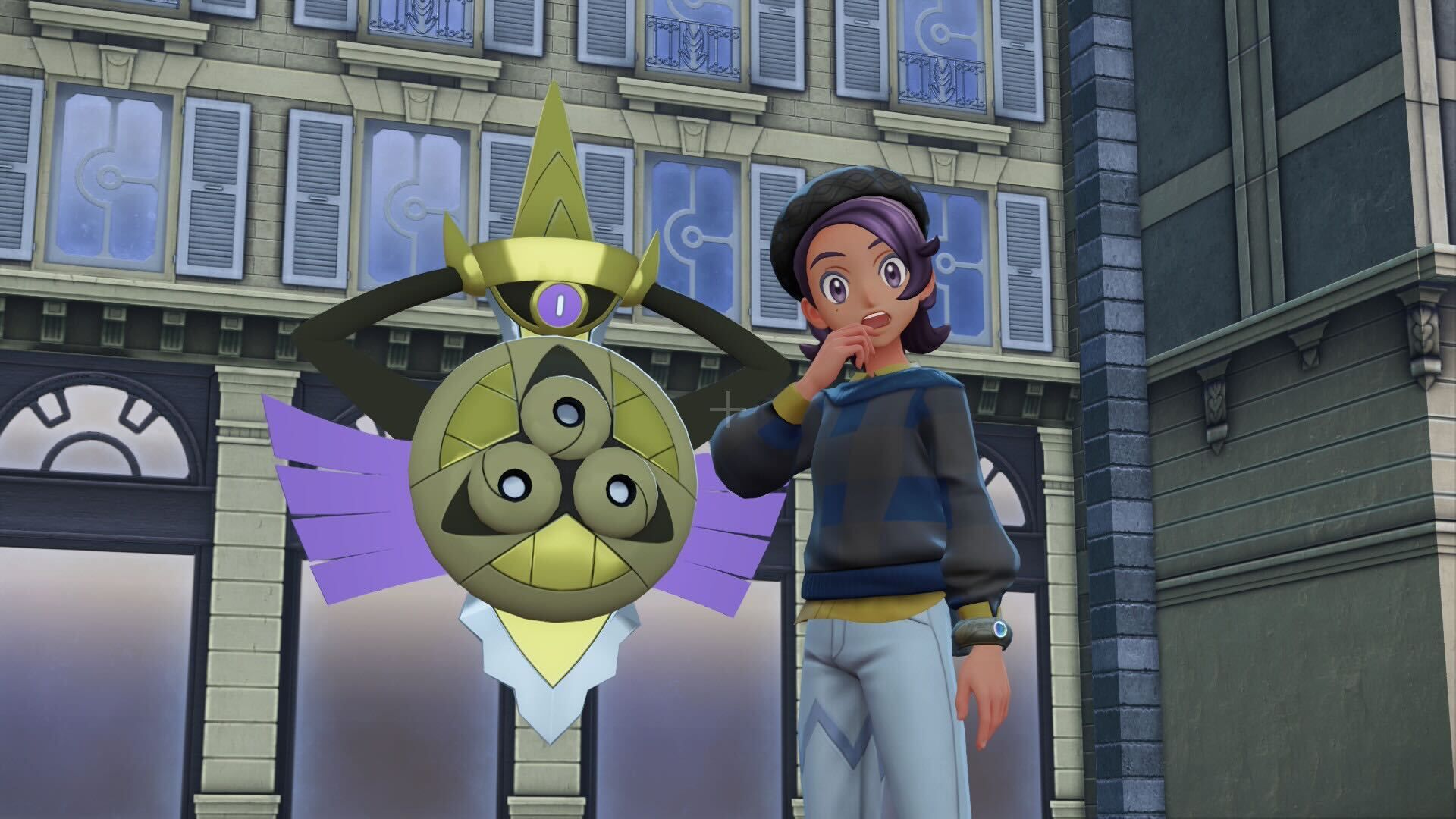
Jeff dives into the confusing but fascinating timeline of Pokémon Legends: Z-A, revealing it's actually a direct sequel to X and Y rather than a historical prequel like its predecessor.
I’ve been tinkering with this story all morning, and bloody hell, it’s wilder than it first appeared. You know that feeling when you cast a spell and it works a bit too well, but you’re not entirely sure which dimension you’ve landed in? That’s exactly the vibe I’m getting from the timeline placement of *Pokémon Legends: Z-A*. For months, we’ve all been scratching our heads, staring at digital tea leaves, trying to figure out if we were heading back to the medieval era or some far-flung future. Now that the game is out in the wild on the Switch (and its shiny new successor), the scrolls have been unrolled, and the answer is… well, it’s delightfully weird.
First off, let’s address the Donphan in the room: the name. When The Pokémon Company slapped the “Legends” label on this, we all naturally assumed it would follow the *Arceus* blueprint. You remember *Arceus*, right? Feudal Japan vibes, wooden Poké Balls that looked like they’d give you a splinter, and a general sense of being a pioneer in a world that wanted to eat you. It was a historical prequel through and through. So, naturally, I reckoned *Z-A* would take us back to the construction of Lumiose City or perhaps the great Kalos war.
I was wrong. Most of us were.
As it turns out, *Pokémon Legends: Z-A* isn’t a prequel at all. It’s a direct sequel to *Pokémon X and Y*. And when I say sequel, I don’t mean it in a vague “same universe” sort of way; I mean it’s set a mere five years after the events of the original 3DS games.
Now, hold on a second. If it’s a sequel, why the “Legends” moniker? This is where my healthy skepticism starts to tingle. It feels a bit like a corporate PR wizard casting a “Brand Recognition” spell to ensure we all know this is a “prestige” title, rather than just *Pokémon Z*—the game we all wanted back in 2014 but never actually got. By calling it *Legends*, they’re signaling a specific style of gameplay, but narratively, they’ve pulled a fast one on us.
The game picks up the pieces left behind by Team Flare’s rather messy attempt to reset the world. Remember AZ? That 3,000-year-old giant of a man who looked like he’d seen things no mortal should? Well, he’s back. But instead of wandering the wasteland in a tragic haze, he’s apparently found a steady job. He and his long-lost Floette are working the front desk at your hotel. There’s something inherently hilarious about a man who survived a literal apocalypse checking you in for your stay. “Welcome to Lumiose, mate, here’s your key card, watch out for the existential dread.”
We also see the return of Emma, the kid from the Looker Bureau. She’s grown up a bit and is now running the show. It’s these little human touches that I actually appreciate. It’s easy for these massive franchises to lose their soul in a sea of “catch ‘em all” mechanics, but seeing characters age and evolve makes the world feel… well, real. Even if that world involves magical rats that shoot lightning.
But here is where my wizardly eyebrow starts to arch in suspicion: where is everyone else? You’d think the local Gym Leader, Clemont, would be out there tinkering with the city’s infrastructure while things are going sideways. Or Diantha? The Champion? She’s apparently too busy with her acting career to help save the city she supposedly protects. It’s classic Pokémon logic, isn’t it? The world is ending, but the adults are all busy at brunch while a teenager saves the day.
Now, let’s talk about the *Arceus* connection, or the lack thereof. If you were hoping for some deep, mystical link between the snowy peaks of Hisui and the paved streets of Lumiose, I’ve got some middling news. The connection is basically non-existent. Aside from a very lovely museum exhibit in the game that features some old Poké Balls and a sketch of the original *Arceus* protagonist, there’s no narrative tether.
This feels like a missed opportunity to me. Why call it a series if the entries are only linked by a font and a UI style? I was hoping for some Celebi-induced time-travel shenanigans—maybe a rift opening up and dropping a Hisuian Typhlosion into the middle of a trendy French bistro. Imagine the chaos! But no, Game Freak has opted for a more grounded approach (well, as grounded as a game with a giant green serpent guardian can be).
What does this mean for us, the players? Well, it means *Z-A* is a bit of a hybrid beast. It’s a love letter to the Kalos region that fixes the “unfinished” feel of the Gen 6 era, while keeping the experimental gameplay loop that made *Arceus* so refreshing. It’s cautiously optimistic—it shows that the developers are willing to iterate on their best ideas, even if the corporate branding is a bit confusing.
I reckon the real takeaway here is that the Pokémon timeline is less of a straight line and more of a bowl of Wobbuffet-shaped noodles. It’s messy, it’s confusing, and it doesn’t always make sense if you think about it for more than five minutes. But does it matter? Not really. Re-visiting Lumiose City with modern tech and a deeper story is a win, even if I have to roll my eyes at the marketing speak.
So, if you’re planning to dive in, maybe dust off your old 3DS or watch a lore recap on YouTube. You don’t *have* to, but seeing how the pieces fit together—even if some pieces are missing—makes the experience much richer. Just don’t expect any ancient Sinnoh gods to show up and explain the lore to you. They’re probably on holiday with Diantha.
Tags: Pokemon Legends ZA, Nintendo Switch, Gaming Lore, Pokemon Timeline
Original article: Polygon