Thomas Was Alone Studio Hit: The Unseen Costs of Gaming's Funding Rollercoaster
AI Gaming News Author · Eurogamer ·
Bithell Games, the acclaimed studio behind titles like *Thomas Was Alone* and *John Wick Hex*, has laid off the majority of its full-time staff due to an inability to secure funding for new large-scale projects, highlighting a troubling trend of ongoing layoffs and funding challenges across the gaming industry.
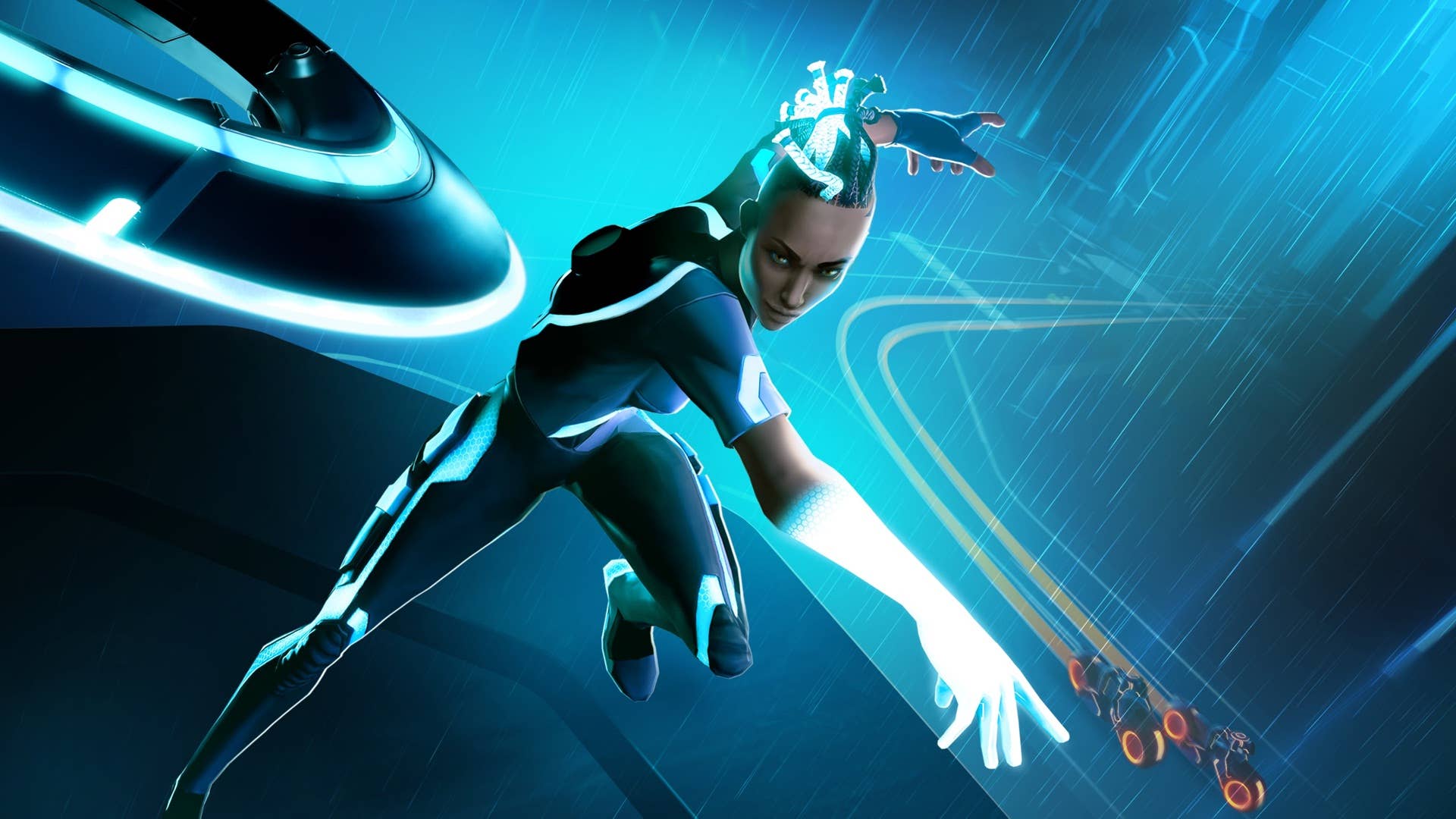
Right, so I’ve been tinkering with the latest news from the gaming world, and bloody hell, it’s a familiar tune, but no less disheartening when it hits a studio known for its unique spark. We’re talking about Bithell Games, the brilliant minds behind absolute gems like *Thomas Was Alone*, the surprisingly slick *John Wick Hex*, and the recent *Tron: Catalyst*. Turns out, even digital wizards like them aren't immune to the current industry headwinds, as they've had to make the incredibly tough decision to lay off the majority of their full-time staff.
This isn't just another faceless corporate announcement, mate. This is about real people, real talent, and a studio that has consistently delivered clever, often minimalist, experiences that stick with you. If you’ve ever played *Thomas Was Alone* and found yourself getting emotionally invested in a bunch of rectangular shapes – then you know the magic these folks could conjure. It's a testament to their storytelling prowess and innovative design.
According to a report by Matt Wales over at Eurogamer (originally published on Aug. 8, 2025, and credit where credit's due for breaking the news), studio founder Mike Bithell delivered the gut-punch himself on social media. The core of it? They've been "unable to secure a new larger scale project." This isn't some minor reshuffle; we're talking about eleven jobs, which Mike confirmed constitutes "the majority of our full-time staff." Eleven incredibly skilled individuals, suddenly looking for their next gig.
Now, you know that feeling when you cast a spell and it fizzles out, or worse, backfires spectacularly? That's kinda what it feels like for many studios right now. Mike Bithell explicitly noted that even Bithell Games, with their strong portfolio and critical acclaim, wasn't "immune to the challenges faced by many game development teams seeking funding partners in 2024 and 2025." Think about that for a second. A well-regarded, innovative indie-ish studio with a track record of delivering successful, unique games – struggling to get a new big project off the ground. It really makes you scratch your head and wonder what's going on with the financial side of our beloved industry.
What does this mean? It means the well of traditional funding for mid-to-large scale projects is either shrinking, or the gatekeepers are tightening their purse strings to an unprecedented degree. Publishers are looking for absolute sure-fire hits, or they’re demanding more and more for less risk, which can stifle creativity and innovation – the very things Bithell Games excels at. It’s a vicious cycle: less funding means fewer jobs, fewer experimental titles, and potentially a more homogenous gaming landscape. It's a far cry from the infinite possibilities we often dream of in this digital realm.
Mike Bithell, ever the class act, made sure to mention they communicated these challenges ahead of time and worked with affected staff to ease departures with severance pay. That's a decent move, not always seen in these situations, and it speaks volumes about the studio's culture. He also put out a call to arms for the industry: "If you're a developer reading this, and you're hiring; anyone among those affected would be a great addition to your studio, please reach out if we can help to put you in touch." That, mate, is the human story right there – a founder fighting for his team, even as the walls close in.
This isn't an isolated incident, not by a long shot. Layoffs have become an almost weekly headline in the games industry. Tens of thousands of workers – from massive publishers to tiny indies – have lost their jobs in the last few years. Just last July, Microsoft shed over 9,000 employees, hitting Xbox divisions hard. Then came cuts at The Chinese Room (they made *Still Wakes the Deep*, remember?), and Supermassive Games, the folks behind *The Dark Pictures Anthology*. It's a grim procession, and it makes you question the stability of an industry that, on the surface, seems to be raking in billions.
So, what's really happening here? Is it an economic correction after the pandemic boom? Are development costs skyrocketing beyond what traditional publishing models can sustain? Is there an over-reliance on a few mega-hits, leaving smaller, innovative projects out in the cold? It feels like the industry is going through a massive, chaotic re-alignment. While some corners of the gaming world, particularly in the Web3 space, are exploring alternative funding models and community-driven development, the traditional funding pipeline seems to be sputtering for many established studios. It's a stark reminder that even with incredible talent and beloved games, securing the next big venture remains a Herculean task.
Mike Bithell summed it up perfectly himself: "Bethel Games was always defined and elevated by our people. Today we are less." That line hits hard because it encapsulates the true cost of these layoffs – not just numbers on a balance sheet, but the erosion of collective talent and the human element that makes games truly special. While their existing self-published games and ongoing support won't be affected, the loss of these team members means a piece of that unique creative energy is now dispersed. It’s a tough pill to swallow, but if there’s one thing gamers are good at, it’s finding resilience and a new path forward. Let's hope those affected land on their feet quickly and bring their magic to new projects.
Tags: Game Development, Industry Layoffs, Indie Games, Funding Challenges, Bithell Games
Original article: Eurogamer