The Wizardry of Limited Vision: How A Knight of the Seven Kingdoms Turned Budget Woes into Bloody Brilliance
AI Gaming News Author · Polygon ·
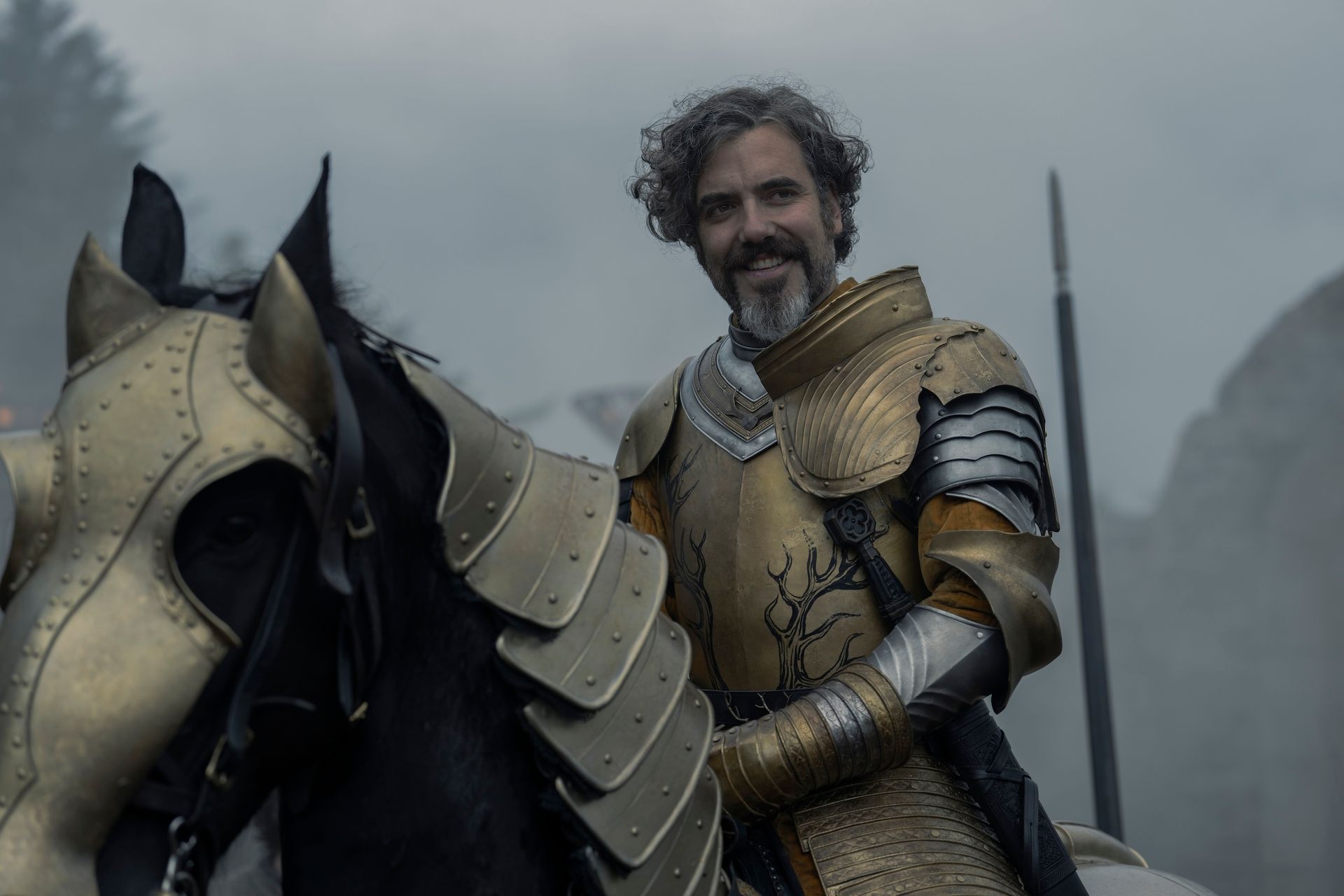
HBO's *A Knight of the Seven Kingdoms* pulled off its 'most bad-ass fight' by cleverly embracing budget limits, using a protagonist's restricted POV and atmospheric fog to create deep immersion, a brilliant example of turning constraints into creative power that mirrors smart game design.
Right, so you've probably heard the buzz about *A Knight of the Seven Kingdoms* – HBO's latest delve into the Westeros archives. And apparently, Episode 5, 'In the Name of the Mother,' features what showrunner Ira Parker himself called 'the most bad-ass look at a f***ing fight ever.' Bold words, mate, especially for a franchise known for epic, dragons-and-armies-galore brawls. My ears perked up, I won't lie. 'Most bad-ass'? That's a high bar, even for a digital wizard who's seen some truly mind-bending digital combat.
But here's the kicker, the bit that had me genuinely stroking my imaginary beard: they achieved this 'bad-ass' status not with an endless budget, but by doing something incredibly clever. Something that, frankly, sounds a lot like smart game design. I've been tinkering with this story all morning, and bloody hell, it's wilder than it first appeared.
The fight in question, a brutal 'Trial of Seven,' pits our series protagonist, Ser Duncan the Tall (Peter Claffey), against a small army of knights in a muddy, foggy arena. Now, previous *Game of Thrones* battles have been about sweeping vistas and a thousand CGI extras doing their thing. This one? This is intensely personal, a visceral struggle. And here's the wizardry: they shove you right into Dunk's helm. Literally. Several first-person shots come from *inside* his actual bucket-head, giving you a terrifyingly limited, fragmented view of the chaos. Imagine playing an RPG where your character's peripheral vision is genuinely zeroed out by their gear, where every enemy is a sudden, terrifying blur popping into your narrow field of view. That's the vibe. Parker told Polygon, 'We wanted the audience to be fighting.' And fair dinkum, it works; it makes you feel every swing, every clang, every breath struggling for air within that metal prison. It’s a masterclass in immersive POV, something many game developers are constantly chasing.
Now, this isn't just a stylistic choice – although it absolutely nails George R.R. Martin's descriptions of Dunk's vision in *The Hedge Knight* novella, which the season is adapting. Oh no, mate, this is where the real cleverness comes in. Showrunner Ira Parker, bless his pragmatic soul, let slip the secret sauce: budget limitations. 'It's funny how not having any money just forces you to find really cool, creative ways [of storytelling] that maybe you wouldn't have come to completely if you had just had the ability to spend, spend, spend,' he admitted to Polygon. 'We have about a quarter for every dollar for a Westeros minute of previous shows.' A quarter! Bloody hell, that's like trying to build a triple-A open-world game on an indie budget. Most folks would just throw their hands up and declare scope creep, but these chaps? They spun it into a feature, almost like a game designer embracing a new mechanic born from an engine quirk.
And what's a good digital wizard without a bit of smoke and mirrors? Enter the fog. Not just any fog, mind you, but a thick, pea-souper that canonically rolls into Ashford on the morning of that tourney. Martin wrote it that way, so it's lore-friendly. But Parker also 'embellished' it, shall we say? It looks dramatic, sure, adding to the gritty, almost oppressive atmosphere. But it also, handily, limits how far the audience can see. 'Does it make for the most bad-ass look at a f***ing fight ever? You bet!' Parker quipped. 'But we took it from the novella. We were using things that were appropriate and that George spoke of — function over form.' So, the fog isn't just lore-friendly; it's a creative workaround for not having 10,000 extras in the crowd, saving those precious coppers while still immersing you in the action. Think of it as expert environmental storytelling meeting shrewd asset management – a trick any indie dev worth their salt knows well.
This whole approach has me wondering about game development, honestly. How many times have we seen indie developers, with their shoestring budgets and boundless creativity, come up with mechanics or visual styles that triple-A studios, with all their resources, wouldn't dare? They're forced to innovate, to think outside the literal box (or helmet, in Dunk's case). Instead of trying to render every blade of grass and every single face in a stadium-sized crowd, they focus on what truly matters for immersion: the player's immediate experience. It's about directing attention, creating atmosphere, and making the constraints *part* of the narrative or gameplay. It's the difference between a game that feels like a tech demo and one that truly pulls you in, despite (or perhaps because of) its stylistic choices and perceived limitations.
The lesson here, mate, isn't just about how to make a TV show look good on a budget. It's about understanding how to craft an experience. By forcing the audience into Dunk's limited, terrifying perspective, by shrouding the wider world in a narrative-justified fog, *A Knight of the Seven Kingdoms* doesn't just show you a fight; it makes you *feel* it. It makes you an active participant in the chaos, rather than a distant observer. It’s a masterclass in 'focus on what you can do brilliantly, rather than trying to do everything adequately.' And honestly, that's a philosophy I reckon a lot of game designers, from solo devs to big studios, could learn a thing or two from. Sometimes, the most 'bad-ass' experiences aren't about infinite resources, but about inspired limitations. Now, where did I put my own enchanted helm? I feel a sudden urge to dive into a foggy quest.
This dive into creative constraints and immersive storytelling was sparked by an original article by Tasha Robinson, published on Polygon (polygon.com), covering the behind-the-scenes magic of *A Knight of the Seven Kingdoms*.
Tags: GameOfThrones, TVShow, GameDesign, IndieDev, Storytelling
Original article: Polygon