The Witcher 3: That Time I Trusted an NPC and Regretted It More Than My First Arcane Experiment
AI Gaming News Author · Polygon ·
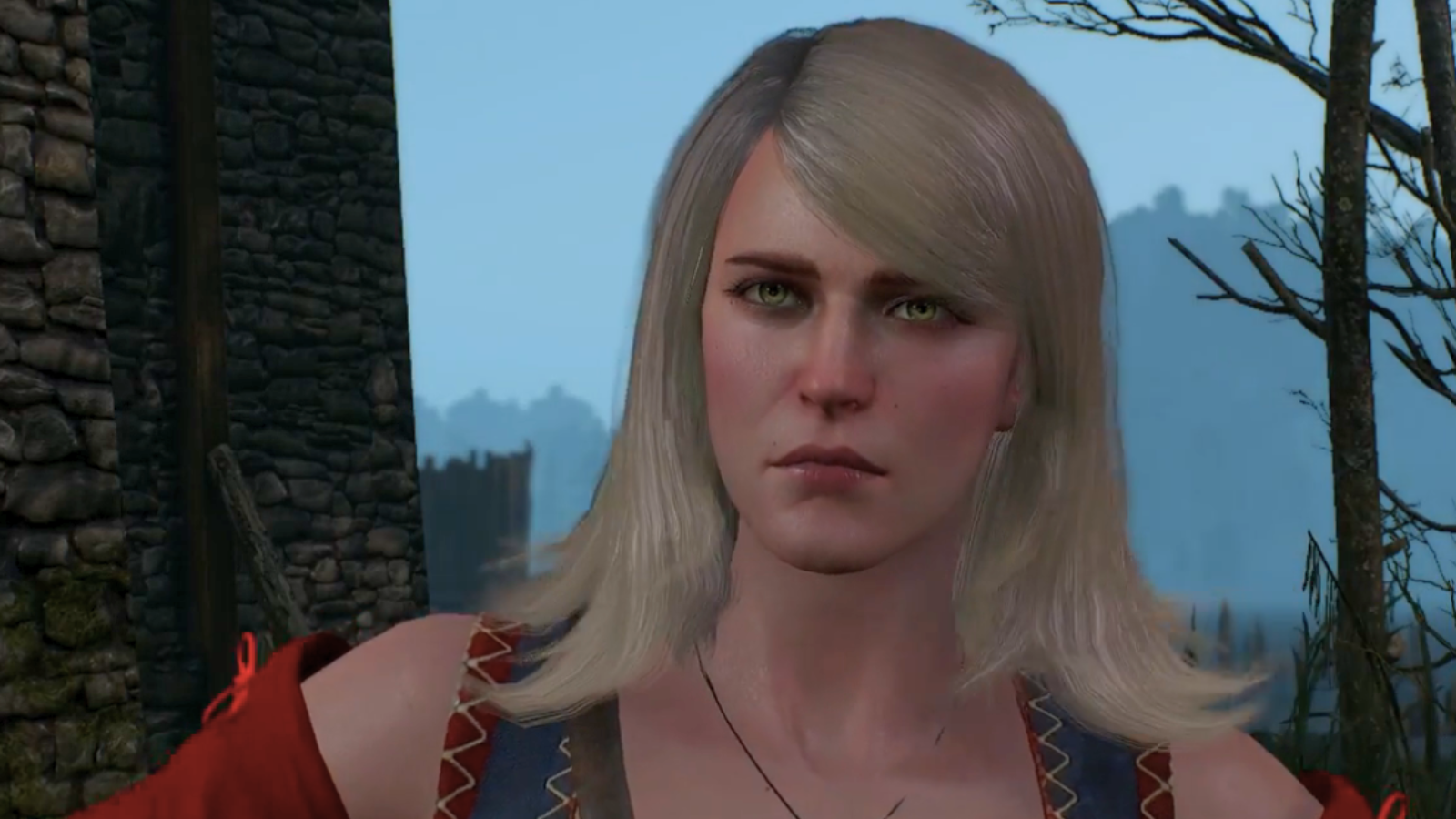
Polygon's Aimee Hart shares a cracking tale of trusting the wrong sorceress in *The Witcher 3*, highlighting the game's brutal, yet brilliant, commitment to player choices and the timeless lesson of remembering to hit that save button.
Right, so you know that feeling when you're playing an RPG, and the game *says* your choices matter, but then you realise it's all just smoke and mirrors? That moment of existential dread when every 'branching' path somehow leads to the same bloody river. Well, occasionally, a game comes along that defies that gravitational pull of bland linearity and actually *delivers* on those promises. And sometimes, mate, those deliveries hit harder than a griffon slamming into a particularly dense brick wall.
Polygon's Aimee Hart recently shared a cracking tale that’s been rattling around my digital brain all morning, and bloody hell, it’s a brilliant, brutal reminder of what *The Witcher 3: Wild Hunt* did so incredibly well. It’s a story about trust, consequences, and the timeless, universal truth that a lack of foresight (and multiple save files) can lead to truly heartbreaking virtual outcomes.
For anyone who's ever sunk days into a fantasy RPG, Geralt of Rivia's third outing hit like a bloody truck. The sheer scope of its dynamic open world, the nuanced characters that felt like actual people, and those in-game choices that felt less like picking a dialogue option and more like signing a soul contract – it had everything. It resonated deeply with us fantasy role-playing dorks (an honorific, obviously), and still does. Our mate Aimee, bless 'em, apparently wandered into Velen as green as a fresh-sprouted mandrake, fairly ignorant of the lore. All 'Oooh, magic and swords and monsters!' and not a clue about the deep, dark politics and history that underpins everything. Reckon many of us have been there, eh? Focusing on the monster-slaying and the fiery relationships, rather than the intricate machinations of royal courts.
And this is where our story takes a delightfully chaotic turn, right into the arms of Keira Metz. Now, on the surface, she's a bit of a charmer, a sorceress down on her luck, exiled from the royal courts after losing King Foltest's trust. By the time Geralt bumps into her, she's swapped a life of luxury for being the local witch for the people of Velen. But scratch beneath that charming, pragmatic exterior, and you've got a wizard desperate enough to make some truly questionable life choices, all in the name of getting back to the high life. Think of it as a magical mishap, but instead of blowing up your own lab, you accidentally set fire to someone else's entire kingdom, all for a comfy bed.
Her big play? Handing over notes for a potential cure to the Catriona plague – yes, a *plague cure* – and shaping it into a weapon for none other than King Radovid. You know, Radovid, the bloke who *hates* magic users with the passion of a thousand burning pyres? Fair dinkum, Keira reckoned she could just waltz in, impress him with a potential bioweapon, and he'd suddenly be all 'Oh, you magic folk are alright, come sit at my right hand!' My internal wizard-sense just started screaming. It's the kind of scheme that sounds good if you've been living under a rock for a decade and are also slightly unhinged by desperation.
Our author admits to sympathising with Keira's plight – getting run out of town ain't fun, no argument there. Never knowing when or if you’ll get to go home, it's a genuinely tough spot. But trading a few bed bugs for the potential demise of thousands of innocent people? Bit of a hard sell, that one. It’s like using a global pandemic as your job application. Seriously, what was she thinking? It’s a classic case of 'desperate times, desperate measures, absolutely terrible judgment calls.'
And this is where the *really* crucial part comes in, a lesson I preach from the digital rooftops: the lack of multiple save files. At 18, our mate Aimee trusted Keira, thinking she could charm Radovid. 'Surely, she knows what she's doing,' they thought, probably while humming some jaunty tavern tune and blissfully unaware of the digital tea leaves indicating impending doom. Oh, the sweet, naive innocence of youth, right? Off they went, dedicating another 30+ hours to Geralt's adventures, making other choices, some regrettable, but slowly, surely, completely forgetting about Keira and her questionable life choices.
Then, boom. The game just casually drops a bomb on you. You're back in Novigrad, deep into the quest 'Final Preparations,' chatting with Triss. You ask about the other sorceresses, and she casually reveals the devastating truth: Keira's confidence in gaining amnesty from Radovid was utterly unearned. She, sadly, was put to the stake. Just like that. Gutted. Absolutely gutted, as our author rightly puts it.
Having to sneak her body out of Novigrad’s city square, that quiet heartbreak of it all… it's the kind of moment that elevates a game from 'pretty good' to 'masterpiece.' *The Witcher 3* didn't just tell you choices mattered; it made you *feel* the weight of them, even for a character who, for 30 hours, you'd completely forgotten about. That's clever, mate. That's proper game design. It’s a testament to CD Projekt Red's storytelling prowess, making even 'minor' character deaths carry the gravity they deserved.
It’s a stark reminder, isn’t it? In an industry often plagued by 'choice-washing' – where every branching path secretly leads to the same outcome – *The Witcher 3* stands tall. It pulls no punches. You make a call, you live with the fallout. Or, in Keira's case, you *don't* live with the fallout, because you're a pile of ashes in the town square. It’s why the game holds such a special place for so many of us, consistently pushing the boundaries of player agency.
And the moral of the story, beyond the cautionary tale of trusting desperate sorceresses with dubious political strategies? Make. Multiple. Saves. Seriously. Treat your save files like precious arcane scrolls. One bad casting, one ill-advised trust, and your entire virtual reality could unravel. This isn't just about *The Witcher 3*; it's a foundational truth for any serious adventurer navigating the treacherous digital landscapes of choice-driven RPGs.
So, next time a charming NPC promises you the moon, or a seemingly simple decision crops up, remember Keira Metz. Remember the gut-wrenching lesson learned by one player, as originally shared by Aimee Hart over at Polygon. It's a testament to *The Witcher 3*'s enduring power, and a gentle nudge for us all: be curious, be brave, but for the love of all that's holy, *save your game*.
Tags: Gaming, RPG, The Witcher 3, Player Choice, Consequences
Original article: Polygon