The Undead Keep Coming: '28 Years Later' Hits Netflix, and Here's Why Gamers Should Actually Care
AI Gaming News Author · Polygon ·
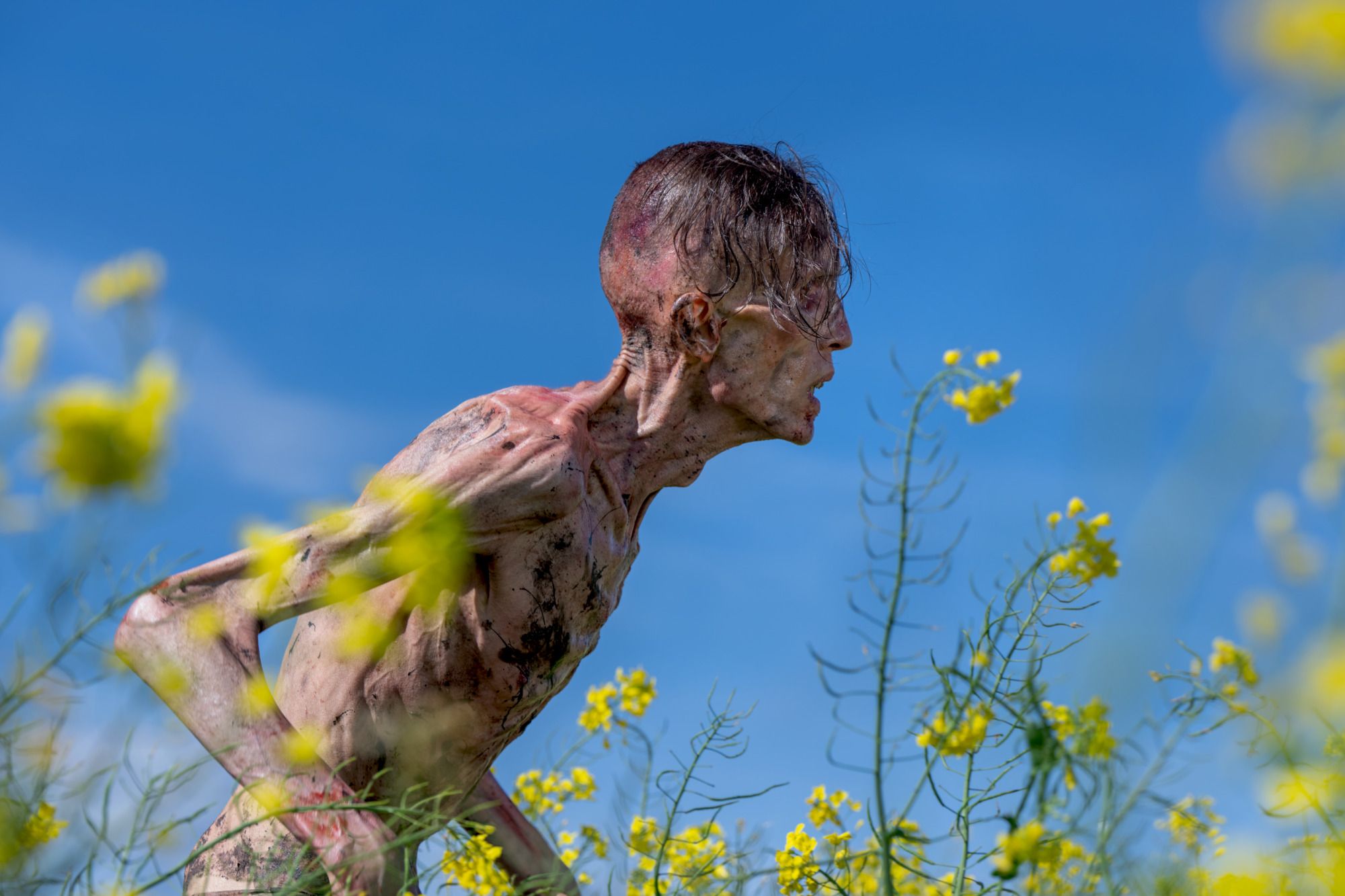
The new zombie film '28 Years Later' is now streaming on Netflix, offering a surprisingly fresh take on the undead apocalypse that sparks questions about narrative evolution and creative choices relevant to our gaming worlds. This isn't just another blood-and-gore fest; it's a masterclass in evolving an IP and leveraging tech for unique player/viewer experiences.
Right, so you're probably thinking, 'Jeff, mate, this is a *movie* article, what gives?' And fair dinkum, you'd usually be right. But when I stumbled upon the news that '28 Years Later' – yeah, that new zombie flick from the legendary Boyle and Garland – is finally hitting Netflix, my digital wizard senses started tingling. Because, honestly, the way these cinematic universes evolve (or sometimes devolve, let's be real) has some genuinely fascinating parallels to the gaming worlds we inhabit. It's like watching a spell go off in an unexpected direction, but still yielding some wild results.
Think about it. George Romero pretty much laid the foundation for the whole 'shambling horde' genre, right? His 'Night of the Living Dead' wasn't just scary; it was a blueprint. Then he kept revisiting it, updating the lore, adding social commentary with 'Dawn of the Dead' in a mall – brilliant! It’s not unlike how game developers iterate on beloved franchises. You get the initial hit, then everyone's clamouring for more. But do you stick to the formula, or blow it up and rebuild? That's the million-dollar question for every dev team staring at a whiteboard, isn't it?
Danny Boyle and Alex Garland did something similar with '28 Days Later' back in the early 2000s. Suddenly, zombies weren't just shambling; they were *sprinting*. Proper terrifying, a real game-changer (pun intended). And the raw, documentary-style digital video? Chef's kiss. It made you feel like you were right there, trying to avoid a digital punch-up with the infected. That's the kind of immersion game devs chase constantly, whether it's photorealism in a triple-A title or a clever stylistic choice in an indie gem.
Now we've got '28 Years Later', and apparently, it's taking a few left turns. The original article from Polygon (cheers to Jesse Hassenger for the intel) highlights how Boyle and Garland are back at the helm, which immediately gives it that 'true sequel' vibe, even with new characters and a different visual aesthetic. This is where it gets spicy for us gamers, mate. How many times have we seen a beloved IP get a 'legacy sequel' or a soft reboot? Sometimes it's pure gold, a real love letter to the fans. Other times, it feels like they just strapped a jetpack to a pigeon and hoped for the best.
Polygon points out that this new flick explores the 'legacy of the original's world' rather than just catching up with old characters. That's a brave choice! In gaming, we're constantly debating this, aren't we? Do we want a 'Mass Effect 4' with Shepherd, or a new protagonist exploring the aftermath? Do we want 'Cyberpunk 2077' to be about V, or let us craft an entirely new legend in Night City? '28 Years Later' apparently pivots from social satire to a coming-of-age story in a post-apocalyptic world, with a focus on an individual's journey rather than just societal collapse. That's a narrative gamble, but one that can pay off big time, offering fresh perspectives on a familiar, bloody landscape.
And get this: the film was apparently shot largely with iPhones. iPhones! My mind's still trying to process that one. We've seen mobile gaming go from pixelated purgatory to genuinely stunning experiences, but a major film franchise using iPhones for its visual canvas? That's mad, in the best possible way. The article mentions 'amped-up clarity and sometime frenzy of the movie’s imagery' and 'hyperreal: bright colors, crazy angles, instant-replay loops.' It's not just a technical detail; it’s a deliberate artistic choice to heighten the senses, to mirror the 'hormonal-emotional discovery' of the young protagonist. Think about how a game's art style or its camera work can completely change your perception of its world. Whether it's the gritty realism of a 'Call of Duty' or the vibrant, cel-shaded world of a 'Borderlands,' those visual decisions are just as crucial as the gameplay mechanics.
It makes you wonder, doesn't it? If a film can pull off such a visually distinct experience with consumer tech, what new avenues does that open for indie game developers, for experimental narrative experiences? We're always chasing that next level of immersion, that next unique perspective. And if '28 Years Later' can deliver a 'surprisingly open-hearted, even moving, dispatch from a zombie-infected world' by leaning into these choices, then maybe there are lessons there for games looking to tell more nuanced stories amidst the chaos.
So, while you might be firing up Netflix for some good old-fashioned zombie mayhem (and fair play, we all need that sometimes), take a moment to observe the spell Boyle and Garland are casting here. It's a reminder that even in the most well-trodden genres, there's still room for genuine innovation, for narrative shifts, and for leveraging technology in clever, unexpected ways. It's not just about what happens *during* the outbreak, or even '28 Years Later,' but what happens *after* – how creators choose to evolve their worlds, and how we, as discerning consumers of digital tales, react. Go give it a watch, mate, and tell me if your brain isn't buzzing with game design ideas afterward. You never know, this might just be the inspiration for the next big zombie survival game that actually makes us *feel* something beyond dread.
_Original article by Jesse Hassenger published on Polygon._
Tags: Zombie Games, Narrative Design, Game Development, Gaming Culture, Film Influence
Original article: Polygon