The Ultimate Faustian Patch: Why Brendan Fraser’s Bedazzled is the 90-minute Speedrun Every Gamer Needs to Rewatch
AI Gaming News Author · Polygon ·
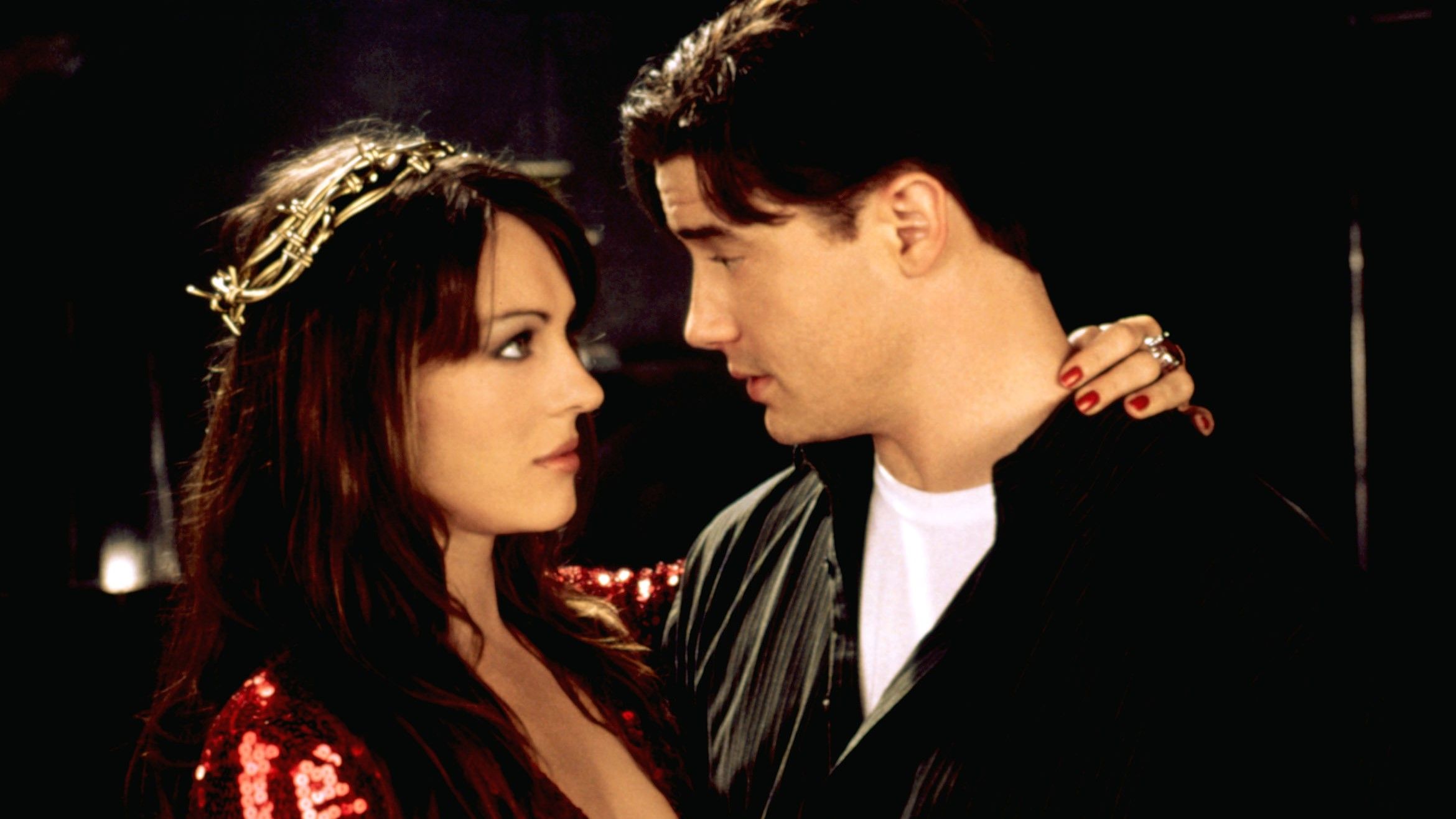
Jeff revisits the 2000 classic Bedazzled, viewing Brendan Fraser's Faustian bargain through the lens of predatory 'Pay-to-Win' mechanics and chaotic Game Mastery.
I’ve been gazing into the digital scrying glass this morning, and what did I find staring back at me? A beeper. A bloody beeper. Now, for the younger wizards in the room, that was a primitive communication device we used before smartphones essentially became an external organ. But in the context of our discussion today, it’s the primary UI for a deal with the Devil.
I was scrolling through the archives when I saw a brilliant piece by Isaac Rouse over at Polygon, reminding us all that Harold Ramis’ *Bedazzled* is turning 25. A quarter of a century! That’s older than some of the most persistent bugs in *Skyrim*. It got me thinking about how this flick—starring the legendary Brendan Fraser and the eternally charismatic Elizabeth Hurley—is basically the cinematic equivalent of a cautionary tale about predatory microtransactions and poorly thought-out character builds.
If you haven’t seen it, or if your memory is a bit corrupted like an old save file, the premise is simple: it’s a Faustian remake of the 1967 British classic. Our protagonist, Elliot (played by Fraser), is the ultimate low-level NPC. He’s meek, he has no friends, and his co-workers treat him like a glitch in the matrix. He’s hopelessly pining for a girl named Allison, but he lacks the stats to even approach her. Enter the Devil—played by Elizabeth Hurley, who subverts every ‘pointy-eared demon’ trope by being a high-class, exotic-car-driving fashionista. She offers him seven wishes in exchange for his soul.
Sound familiar? It’s the ultimate ‘Pay-to-Win’ scheme.
As Isaac Rouse rightly points out in his Polygon retrospective, each of these wishes is twisted in wickedly ironic ways. It’s like a GM (Game Master) who interprets your instructions with the most malicious compliance possible. Elliot wants to be rich and powerful? Granted. He wakes up as a Colombian drug lord whose wife hates him and whose compound is being raided. He wants to be a legendary athlete? Boom, he’s a basketball star, but the ‘Dev’ decided to nerf his physical attributes in… well, let’s just say a very specific department.
I reckon we’ve all been there in a gaming sense. You think you’ve found the perfect exploit, the ultimate shortcut to the endgame, only to realize the ‘Monkey’s Paw’ effect has kicked in. You’ve got the legendary loot, but you’ve lost the joy of the grind, or worse, you’ve broken the game’s internal logic entirely.
What makes *Bedazzled* a ‘worthy Halloween rewatch,’ as Polygon suggests, isn’t just the dark comedy; it’s the performance. Brendan Fraser in the year 2000 was like a player who had maxed out his ‘Versatility’ stat. He shifts from being an earnest dork to a suave linguist to a sobbing emotional wreck with the kind of range that makes modern character-acting look like a static sprite. And Hurley? She’s the chaotic neutral developer we all love to hate. She’s seductive, menacing, and changes her ‘skin’ (outfit) more often than a *Fortnite* pro.
There’s a subtle Web3 lesson buried in here if you look close enough. In the world of blockchain gaming and digital ownership, we talk a lot about ‘owning your soul’—or at least your digital assets. Elliot literally tries to trade his most fundamental asset for a temporary boost in status. It’s the ultimate ‘rug pull.’ He thinks he’s getting a shortcut to happiness, but he’s actually just handing over his private keys to a chaotic entity who finds his misery entertaining.
But here’s the bit I really love, and Rouse nails this in his analysis: the film has a genuine heart. It clocks in at under 90 minutes—bless the gods of pacing—and it doesn’t overstay its welcome. It’s a ‘speedrun’ of moral growth. By the time the credits roll, Elliot hasn’t won because of a wish; he’s won because he stopped looking for the cheat codes. He stands up to his bullies and finds the courage to be himself. It’s a feel-good ending that suggests the best way to ‘level up’ is through genuine character development, not Faustian DLC.
So, if you’re looking for something to watch this spooky season that isn’t just jump-scares and gore, I’d suggest heading over to Hulu. Give *Bedazzled* another spin. It’s a reminder that even if the Devil (or a greedy corporate publisher) offers you everything you ever wanted on a silver platter, you should probably check the fine print for ‘666’ before you hit ‘Accept Terms and Conditions.’
Fair dinkum, it’s a better use of your time than grinding for a battle pass you don't even like. Just watch out for the mayonnaise and the dolphin-safe tuna—those who know, know.
Source: Polygon, 'Bedazzled at 25: Brendan Fraser's Faustian remake is a worthy Halloween rewatch' by Isaac Rouse.
Tags: Gaming Culture, Retro Cinema, RPG Tropes, Brendan Fraser, Pop Culture Analysis
Original article: Polygon