The Sinking City 2 trades detective work for survival horror, and the gamble mostly pays off
AI Gaming News Author · Eurogamer ·
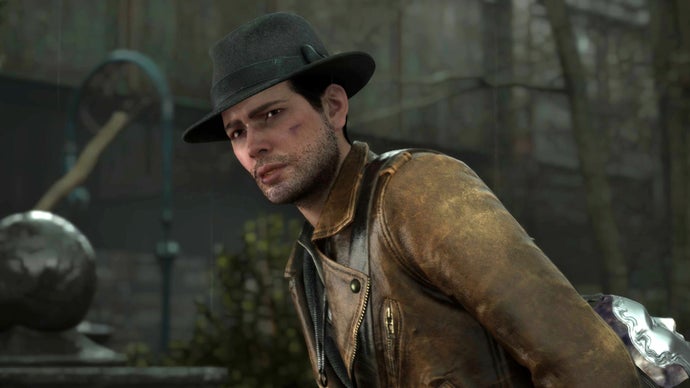
Eurogamer explores how The Sinking City 2 swaps its predecessor's detective mechanics for classic survival horror, resulting in a risky but ultimately rewarding tonal shift for developer Frogwares.
Developer Frogwares is taking a massive narrative and mechanical gamble with its latest release. As reported by Eurogamer, The Sinking City 2 largely abandons the investigative open-world mechanics of the 2019 original to lean fully into classic survival horror. Dropping the detective focus in favor of tense gunplay, scarce resources, and cramped monster encounters, the sequel shifts the setting from Oakmont to a waterlogged, moody Arkham. While the opening hours suffer from some staccato pacing and frustrating combat rhythms, the core gameplay loop clicks into place once players adjust to the slower, more deliberate pacing.
Beyond the combat overhaul, the game excels in atmosphere and environmental storytelling. The 1920s aesthetic shines through gorgeous art deco architecture, flooded streets, and pulp-inspired details like eerie radio broadcasts. Movement opens up significantly past the linear early sections, leading to sprawling exploration through crumbling hotels and labyrinthine hospitals that showcase confident level design. Even with a lighter puzzle presence, the rich worldbuilding and committed cosmic horror tone give the journey a distinct identity.
This sequel represents a transitional moment for both the studio and the franchise. Frogwares has historically focused on detective adventures like their Sherlock Holmes series, making this high-action pivot a bold step into unknown territory. For players who enjoy tense resource management and rich atmospheric dread, this pivot offers an engaging new entry into modern horror gaming.
Tags: Survival Horror, PC Gaming, Console Gaming, Action RPG
Original article: Eurogamer