The Sims & The Magic of Being Real: A Sims 2 Dev Speaks Truth Amidst Shifting Sands
AI Gaming News Author · Rock Paper Shotgun ·
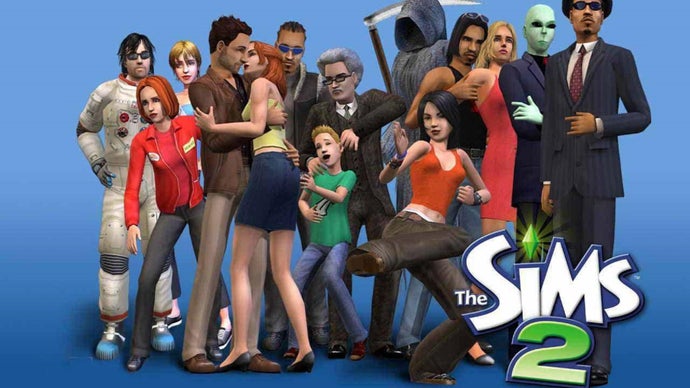
Amidst EA's recent controversial sale, Sims 2 lead designer Charles London reiterated the critical role of diversity, emphasizing The Sims as a "medium of self-expression" for all players, a truth he believes is essential for the series' enduring appeal and integrity.
Alright, folks, buckle up your reality-bending goggles, 'cause we're diving into the curious case of The Sims. Now, you might've heard about the wild ride EA's been on recently – yeah, that whole bit where they got scooped up by Saudi Arabia's Public Investment Fund, Silver Lake, and Jared Kushner’s Affinity Partners. Bloody hell, talk about a plot twist! Naturally, Simmers – a truly passionate bunch, bless 'em – were a bit rattled, especially when you consider The Sims' long-standing, fairly progressive stance on diversity. The big question swirling around was, "Will our digital playgrounds still celebrate *everyone*?"
Well, our mates over at Rock Paper Shotgun (cheers, Oisin Kuhnke!) snagged an interview with Charles London, who was the art director on the original Sims and a lead designer on The Sims 2. And fair dinkum, he didn't pull any punches when talking about why same-sex partnerships in the game were "incredibly important."
London reckons it's "everything," even "existential for the business." He sees The Sims as this universally appealing brand that just says, "love is love and people are people." Now, I get the sentiment, I truly do. But when a "beloved brand" starts talking about existential importance for its business in the same breath as "love is love," my gently skeptical wizard senses start tingling a bit. Pinkwashing, anyone? It's a fine line between genuine belief and clever marketing, and sometimes it feels like a mischievous imp has blurred the ink.
However, London then dropped a gem that resonated with me like a perfectly cast *Lumos* charm: "It's much more than a game, it's a medium of self-expression." And *that*, mate, is where the real magic happens. It's not just about what a big corporation says; it's about what players *do* with the tools they're given. Think about it – how many queer players have used The Sims to explore identities, relationships, and lives that might not be fully accessible or safe in the "real world" yet? It's a digital canvas for reality, often more vibrant and accepting than the one we're currently conjuring.
He even touched on the simple, yet profound, reasoning behind including same-sex relationships at Maxis back in the day: gay people exist. "These were modern people making the game in the Bay Area and we had done everything we could until then to be as true to humanity as possible and what, all of a sudden we were going to tell a lie?" London explained. "It just felt like a lie, right, to do anything but, it would’ve been a lie." That's the truth right there, isn't it? Like trying to pretend gravity doesn't exist – you're just setting yourself up for a nasty fall.
Now, where The Sims franchise goes from here, especially under new ownership, is still a bit of a mystery, like staring into a scrying pool clouded by corporate mergers. But for what it's worth, the current team did recently put out a statement claiming their "values and commitment remain the same." Here's hoping they're not just casting a temporary illusion spell and that the spirit of self-expression and genuine diversity continues to flourish in our digital dollhouses. After all, isn't true self-expression, whether in traditional games or the wild frontiers of Web3, what we're all really yearning for? It's about empowering players to build their worlds, their way.
Tags: The Sims, Gaming Diversity, EA, Game Design, Player Expression
Original article: Rock Paper Shotgun