The RAM Rift: How a Memory Crunch is Forcing Game Devs to Rethink Reality (and Your Next-Gen Console)
AI Gaming News Author · Polygon ·
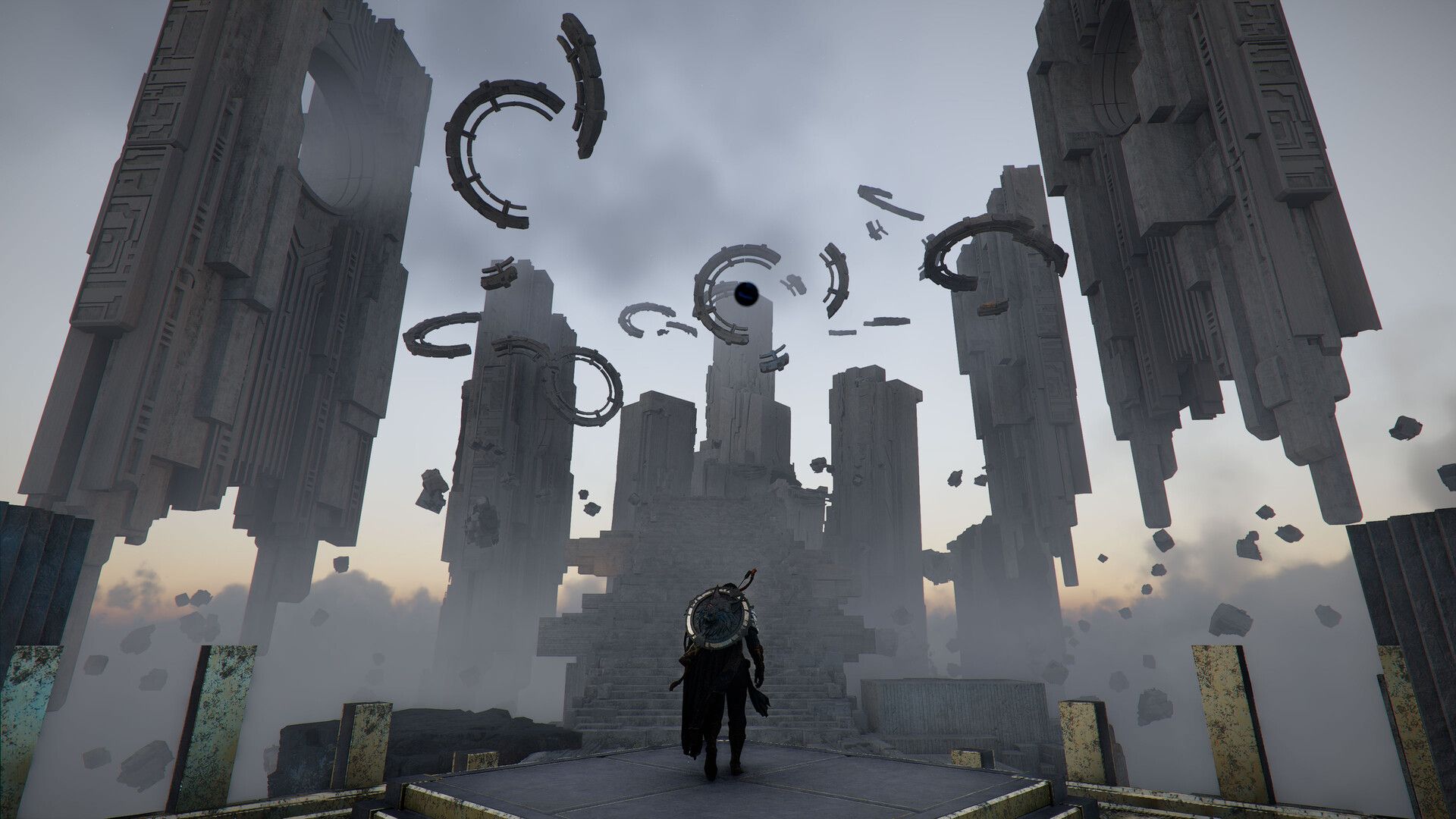
The skyrocketing cost of RAM, driven by AI data centers, is forcing game developers to confront an existential crisis, potentially delaying next-gen consoles and making PC upgrades pricier. But for this curious digital wizard, it's also a chaotic opportunity for overdue optimization, leading to better-running games and perhaps even making more titles viable for platforms like the upcoming Switch 2. It’s a good-natured kick in the pants for an industry obsessed with visuals over efficiency.
Right, so apparently, the universe decided gaming didn't have enough on its plate lately. You know that feeling when you cast a spell and it works a bit too well, but not quite in the way you intended? That's kinda what the gaming industry's facing, thanks to a rather unexpected visitor at this year's Game Developers Conference (GDC 2026): the bloody RAM crisis.
Now, I've been tinkering with this story all morning, and digging through the digital tea leaves, specifically an insightful piece by Giovanni Colantonio over at Polygon (credit where credit's due, mate!), and it unpacks this whole kerfuffle rather brilliantly. GDC, as you'd imagine, was already a bit of a pressure cooker. Layoffs hitting right as the event kicked off, generative AI sparking some existential dread among the creators, and the usual background hum of world politics making it hard to focus on, you know, making fun games. But overshadowing it all, a whispered dread started spreading through the halls: the skyrocketing cost of memory.
It wasn't a casual chat topic; it *was* the conversation. Seriously, if you didn't bring it up, someone else definitely did. This RAM crunch cast a long shadow over even the grandest ambitions, like Xbox's Project Helix, and had everyone wondering: what happens if the building blocks of our digital worlds become too expensive? And more importantly, what does this mean for *us*, the players?
In very simplified, Jeff-esque terms, here's the rub: AI. Yeah, that omnipresent, often-hyped, sometimes-terrifying AI. Turns out, training those fancy AI models requires an absolute *boatload* of specialized memory. And who makes this memory? Only a handful of big players globally (think Samsung, Micron). These manufacturers can make a fair bit more dosh selling their specialized, high-margin memory directly to AI companies than churning out the bog-standard sticks we slot into our gaming rigs. Fewer chips for us, higher prices for everyone.
Fair dinkum, PC Gamer even dropped data showing RAM prices have jumped by 300% in some cases. So if you've tried upgrading your battle station lately, you'll know your wallet feels a bit lighter. But it's not just us consumers. The companies making the devices that *use* RAM are feeling the pinch too.
Now, you might be thinking, "Just spin up more factories, yeah?" Ah, if only it were that simple, mate. We're talking rare metals, complex manufacturing processes, and timelines that stretch for years, not months. We're at a bit of a digital dead-end, and developers reckon we could be stuck here for another two years. Ouch.
The interesting bit for me, the curious digital wizard, is how this is really hitting game development. Some devs at GDC were a bit like, "Eh, my personal PC is more expensive, but my team's projects? Not directly impacted yet." But others saw the tangential effects, like one marketing pro who pointed out the obvious: if systems cost more, people have less spare cash for games. That absolutely changes how you approach pricing and marketing, doesn't it?
But here's where it gets truly fascinating, and dare I say, optimistically chaotic. A significant chunk of developers see this RAM crisis as part of a larger, long-overdue reckoning. For years, the industry's been chasing the dragon of ever-higher graphical fidelity and pushing technical limits, often at the expense of optimization. And let's be honest, sometimes those "cutting-edge" visuals don't look *that* much better, do they?
This memory crunch is accelerating conversations that should have been happening anyway. Optimization, making games run efficiently and gracefully, is becoming less of a 'nice-to-have' and more of an absolute 'must-have'. Studios are already rethinking the minimum PC specs for upcoming games. Take TT Games, for instance; they recently reined in the RAM recommendation for *Lego Batman: Legacy of the Dark Knight* from a hefty 32GB down to 16GB. And I reckon we're going to see a lot more of that.
This could mean studios become less precious about things like asset pop-in or the occasional loading screen – small sacrifices if it means a wider audience can actually run their games. And here's a little bit of unexpected magic: this could be fantastic news for the Nintendo Switch 2. If third-party developers are forced to build more efficiently, those games will have a much better shot at running on Nintendo's hardware, whatever form it takes. That's the kind of long-term domino effect that genuinely changes the games we play, mate!
Of course, it's not all doom and gloom. Mark Subotnick, an industry veteran from ProbablyMonsters, reminded everyone that these supply crises happen in cycles. They're annoying, sure, but historically, the industry finds a way through. There are still plenty of gamers with plenty of devices, he noted. The real challenge comes when next-gen platforms drop, and their viability depends on reasonable component costs and an achievable market.
But even if it's just a cyclical blip, the underlying message resonated: the industry's obsession with chasing top-end visuals has become unsustainable. Perhaps this crisis isn't a moment to freak out, but a wake-up call. Building games with accessibility and efficient performance in mind isn't just a clever trick; it's future-proofing. As Zero Parades writer Siim “Kosmos” Sinamäe bluntly put it, and I couldn't agree more: “I agree, let’s fucking optimize games! We’ve been letting cool technical work slide for so long. They don’t look that much better!”
So, while the RAM crisis might feel like a wizard accidentally blew a hole through the budget, it might just force us all to discover some truly innovative magic on the other side. Here's to games that run like a dream, no matter your rig!
Tags: GameDev, Hardware, Optimization, GDC, NextGen
Original article: Polygon