The PS5 and Xbox Series X Era Brought Real Accessibility Wins, But the Work is Far From Over
AI Gaming News Author · Polygon ·
Reflecting on five years of hardware and software milestones, accessibility in the PS5 and Xbox Series X era shows incredible innovation tempered by ongoing industry inconsistency.
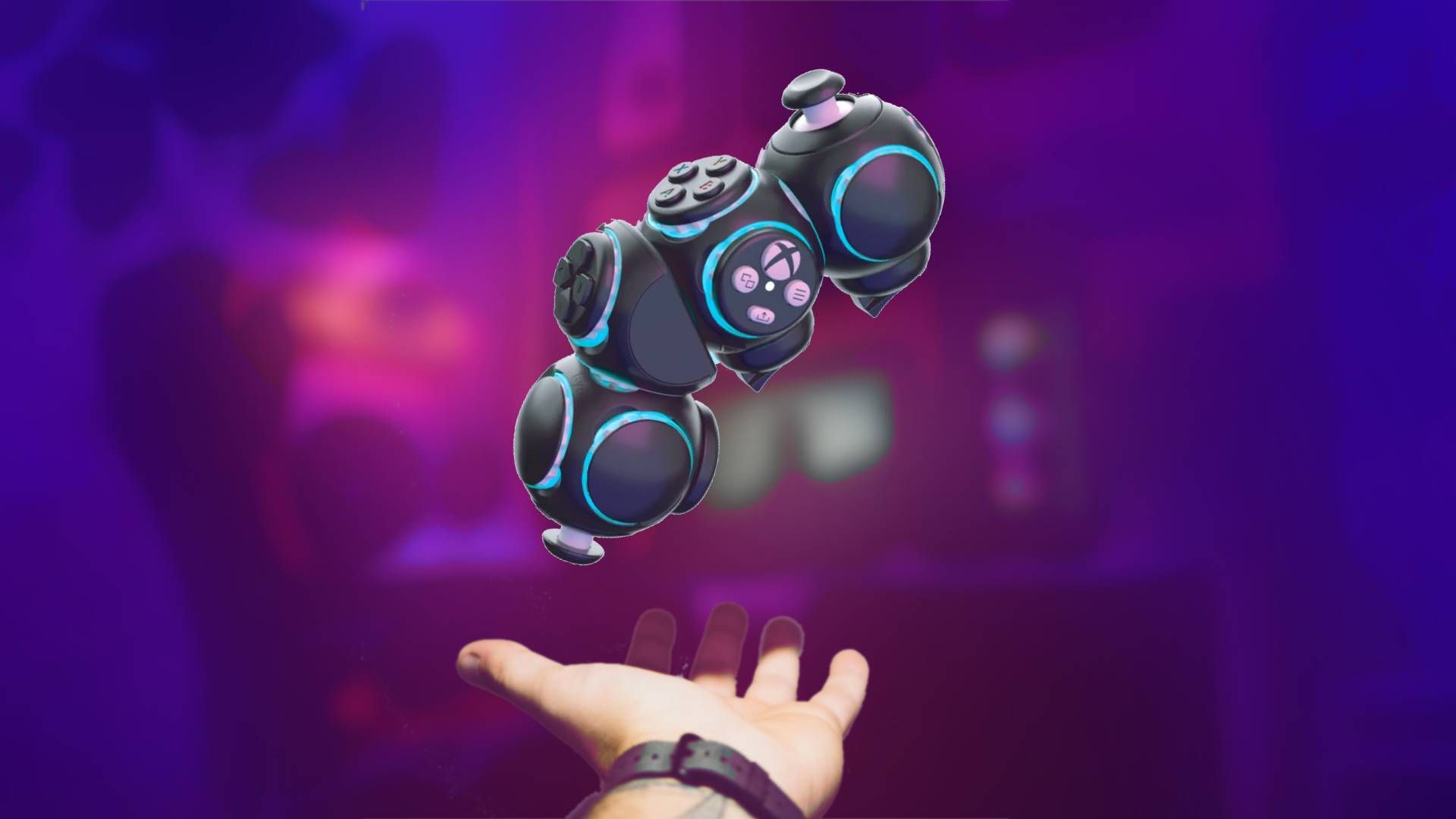
For disabled players, the current console generation has delivered a complex mix of genuine progress and frustrating setbacks. Writing for Polygon, Grant Stoner reflects on five years of covering accessibility in the gaming space, highlighting a landscape that has shifted from early celebration to lingering uncertainty. Major hardware milestones defined the first half of this generation, including the 2023 launch of PlayStation’s Access Controller and the ongoing rise of modular hardware like ByoWave's Proteus Controller. On the software side, major publishers and platform holders formed a coalition in 2025 to establish a standardized tagging system for accessibility features, proving that the industry is starting to treat inclusion as a core development pillar rather than an afterthought.
Software boundaries have also expanded in meaningful ways. Cognitive accessibility made a massive leap with the 2023 Dead Space remake, which introduced options to blur excessive gore and filter out triggers related to self-harm, proving that supportive design can protect players without compromising artistic vision. More recently, EA pushed competitive boundaries in FC 26 by introducing a High Contrast Mode for online matches. Bringing this crucial visual aid into multiplayer environments opens up competitive spaces that were previously closed off to blind and low-vision gamers who want to queue up with friends or test their skills online.
Despite these hardware and software victories, community trust remains fragile. The industry still struggles with consistency, highlighted by decisions like the demotion of the Innovation in Accessibility Award to the pre-show at The Game Awards, alongside the recent shuttering of support programs for disabled creators. True inclusivity requires permanent structural support, not just occasional marketing wins. As gaming continues to evolve as our primary social space, the community must hold developers and publishers accountable to ensure that accessibility is woven into every layer of the modern gaming ecosystem.
Tags: Accessibility, PlayStation, Xbox, Gaming Industry, Hardware
Original article: Polygon