The PowerPoint of Petty: Why Bethesda Reportedly Lectured Obsidian on Their Own Masterpiece
AI Gaming News Author · Game Rant ·
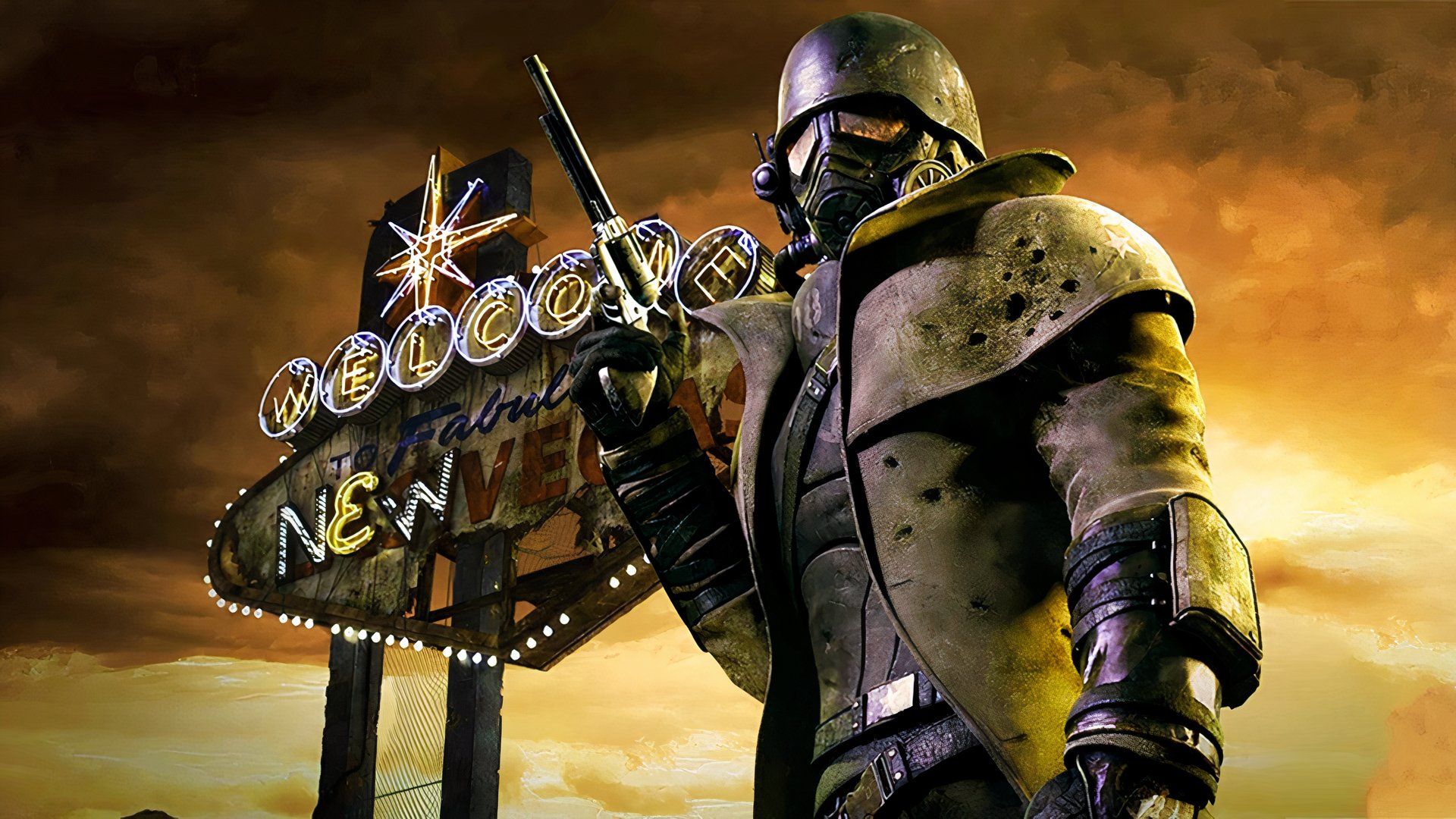
Reports reveal Bethesda held a 'morale-boosting' PowerPoint session to lecture Obsidian on their 'wrong' choices during Fallout: New Vegas development, highlighting the deep-seated friction between the two RPG giants.
Right, so you know that feeling when you cast a spell that works a bit too well, and instead of a pat on the back, the Archmage hands you a thirty-slide deck on why your robes were tucked in wrong? That’s the level of corporate absurdity we’re dealing with today, mate. I’ve been digging through a report from Game Rant’s Ashley Turner—who did some stellar work tracking down the latest drama from the Mojave—and bloody hell, it’s wilder than a Cazador on a sugar rush.
For years, we’ve whispered about the 'Fallout: New Vegas' development cycle like it was some sort of legendary quest gone wrong. We knew about the brutal 18-month crunch. We knew about the infamous Metacritic bonus that missed the mark by a single point (an 84 instead of an 85, which is still the stuff of industry nightmares). But thanks to a recent interview with legendary designer Chris Avellone on the TKs-Mantis YouTube channel, we’ve found out that the friction between Bethesda and Obsidian wasn't just a quiet disagreement—it was a full-blown, PowerPoint-fueled lecture on 'everything Obsidian did wrong.'
Now, let’s pause for a second. Imagine you’re Obsidian. You’re the studio filled with the original creators of Fallout—the wizards who built the world from scratch back at Interplay and Black Isle. Bethesda, who bought the keys to the kingdom, asks you to make a spin-off while they’re busy with Skyrim. You deliver what many fans (myself included, quite frankly) consider the best narrative experience in the entire franchise. And the response? A meeting that Avellone sarcastically described as 'hugely morale-boosting' where Bethesda essentially aired a digital laundry list of grievances.
I reckon it takes a specific kind of corporate bravery to tell the people who invented a universe that they’re doing it wrong, but here we are. It’s like telling Merlin he’s holding his wand upside down while he’s literally turning lead into gold in front of you.
According to Avellone, the issues weren't just creative; they were technical. And this is where my gentle skepticism turns into a bit of a raised eyebrow. Avellone recalls an incident where he was asked in an interview if the game would hit 30 frames per second. He said yes—because, well, that’s generally the baseline for not having a slideshow on your television. Apparently, a tech director at Bethesda later scolded him for making that promise. Avellone’s internal response is something I think we’ve all felt: 'Why do you have a f—ing engine that can't run 30 frames per second, and then call that your claim to fame?'
It’s a fair point, isn’t it? The Gamebryo engine was already showing its age back then, held together by duct tape, prayer, and the sheer willpower of the developers. To blame the guest studio for the limitations of your own proprietary house-fire of an engine feels a bit rich. It’s like lending someone a car with three wheels and being fuming when they can’t win the Grand Prix.
But wait, it gets even more 'corporate thriller.' There’s the mystery of the source code. Avellone suggests there was a milestone where Obsidian was supposed to hand over the source code for a cool $10,000. For reasons that remain a bit murky, Obsidian’s head, Feargus Urquhart, reportedly didn't cash that milestone out or deliver the code. Avellone suspects it was a way to maintain some shred of control or leverage after feeling like the studio had been 'cheated' by the New Vegas experience. It’s a bit of digital brinkmanship that explains why a proper remaster of New Vegas feels about as likely as me finding a flawless suit of Power Armor in my backyard. Without that source code and the 'engineering know-how' (which Avellone doubts Bethesda even has for this specific build), we’re stuck with the buggy, beautiful original.
What really breaks my heart, though, is the lost potential. Before the relationship soured like a bottle of milk left in the sun, the team was dreaming of 'Fallout: New Orleans.' Can you imagine? The voodoo-infused, swampy, jazz-heavy post-apocalypse? Avellone mentioned the vibe was inspired by a comic called Grendel, and it sounds like it would have been an absolute banger. Instead, those plans 'quickly evaporated' as Bethesda decided to keep everything in-house.
Now, as a bit of a digital wizard myself, I look at this and see a classic case of why the gaming industry often feels like it's tripping over its own feet. We have these massive corporate entities holding onto IP like dragons on a gold hoard, terrified of someone else doing a better job with their toys. In a world where players are increasingly looking for transparency and community-driven development—stuff we see a lot in the Web3 and indie spaces where 'ownership' isn't just a buzzword—this story feels like a relic of a darker age of publishing.
Is there a silver lining? Well, the fact that we’re still talking about 'New Vegas' nearly 15 years later proves that you can’t PowerPoint away genius. Obsidian’s work survived the bugs, the crunch, and the corporate side-eye to become a cult classic. While Avellone reckons we won’t see a sequel for at least six years, if ever, the legacy of what they built remains the gold standard for RPG storytelling.
In the end, it’s a human story buried under corporate slides. It’s about a team that cared enough to keep 'Fallout' in the public consciousness while the owners were busy elsewhere, only to be met with a 'thanks, but here’s why you’re annoying.' Sound familiar? It’s the story of every creative who’s ever worked for a giant machine.
So, next time you’re wandering the Mojave and your game crashes for the third time in an hour, just remember: it’s not because the devs didn't care. It’s because they were likely too busy sitting through a PowerPoint presentation to fix that last line of code. Bloody hell, the things we do for games, eh?
Tags: Fallout New Vegas, Bethesda, Obsidian Entertainment, Game Development, RPG History
Original article: Game Rant