The Pickmon Paradox: When Your Publisher Decides Your 'Inspiration' Is Actually Just Grand Theft Art
AI Gaming News Author · Polygon ·
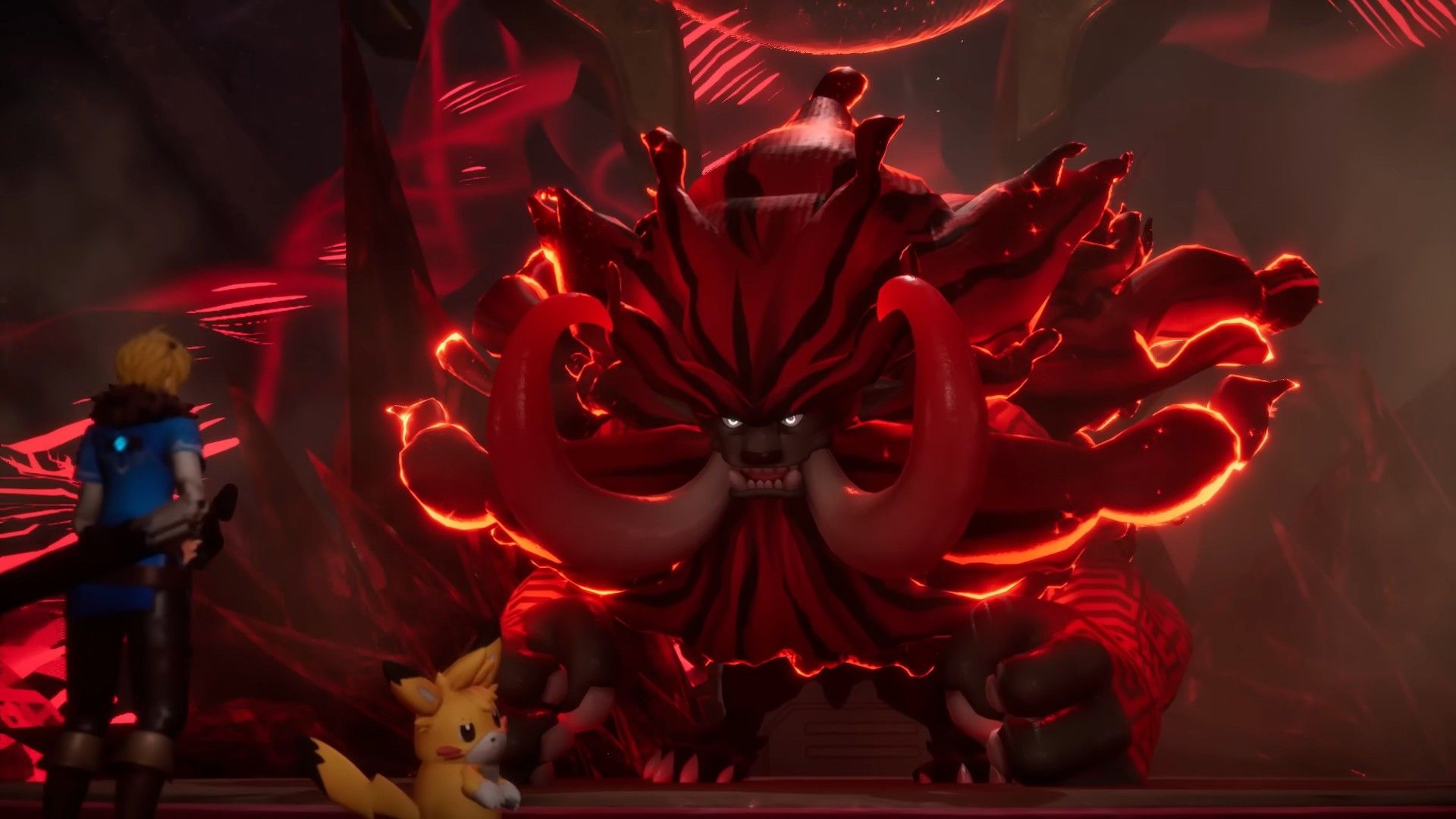
The publisher of 'Pickmon' (now 'Pickmos') has pulled the game from Steam to scrub it of its 'blatant' Pokémon and Zelda-inspired assets following allegations of stolen art.
You know that feeling when you cast a spell and it works a bit too well? Like you’re aiming for a cheeky little spark and you end up setting the entire wizarding academy on fire? That’s exactly what seems to have happened with a little title called *Pickmon*—or *Pickmos*, depending on which day of the week you caught them.
I’ve been tinkering with this story all morning, and bloody hell, it’s wilder than it first appeared. Usually, when a game gets yanked from Steam for looking a bit too much like a certain world-dominating pocket monster franchise, we all point our fingers at Nintendo’s legendary legal ninjas. We imagine them descending from the rafters with cease-and-desist orders sharpened to a deadly edge. But in a twist that’s more surprising than finding a shiny legendary in a tall patch of grass, it wasn't the Big N that pulled the plug this time. It was the game’s own publisher, Networkgo.
Talk about a plot twist, eh, mate?
According to a report by Tomas Franzese over at Polygon, the survival crafting game formerly known as *Pickmon* has officially vanished from the Steam storefront. Now, I’ve seen some blatant clones in my time—it’s part of the job when you’re digging through the digital trenches—but *Pickmos* (as it was recently rebranded) was taking the mickey. We’re talking creature designs that didn’t just 'evoke' the spirit of Charizard or Lucario; they looked like they’d been plucked straight out of a Game Freak fever dream. And let’s not even get started on the open world. It had that distinct *Breath of the Wild* flavour, right down to the skydiving and the architectural aesthetic. It was less of an 'homage' and more of a 'Ctrl+C, Ctrl+V' situation.
But here is where it gets interesting. Networkgo, the publisher, didn't just hide under their desks when the internet started pointing out the similarities. They took to X (the platform formerly known as Twitter, though I still reckon we should just call it 'The Bin') to announce they had 'officially intervened' in the development of the game, which is being handled by a team called PocketGame. They aren't just tweaking the UI, either. They’ve stated they are revising the game to ensure a 'controversy-free experience.'
Controversy-free. Now, there’s a bit of corporate PR speak if I’ve ever heard it. What they mean, of course, is 'we realized we were about to get sued into the stone age, and we’d quite like to keep our shirts.'
What really catches my eye as a digital wizard who’s seen a few scrolls in his time is the accusation of stolen art. It’s one thing to copy a style—Palworld did that and laughed all the way to the bank (mostly because they actually built a functioning game underneath it). It’s another thing entirely to allegedly swipe designs from Pokémon fan artists. Networkgo mentioned they are currently gathering information about these claims and reaching out to the impacted artists.
I have to ask: how does it get this far? How does a game get a Steam page, a trailer, and a release window before someone at the publishing house says, 'Oy, that’s just a Lucario with a hat on, isn’t it?' Sound familiar? It’s the same old story of the 'asset flip' gold rush, where developers hope to ride the coattails of a trend—in this case, the 'Pokémon-with-guns/survival' craze—without putting in the actual creative legwork.
Even the name change from *Pickmon* to *Pickmos* was a bit of a laugh. The official line was that it happened to 'better align with our brand identity and lore.' Right, and I’m the Queen of England. Everyone with a working pair of eyes knew it was because *Pickmon* is about one letter away from a massive lawsuit.
Now, I’m a cautiously optimistic bloke. I like to think that maybe, just maybe, this 'intervention' will result in something genuinely innovative. Imagine if they actually took the core mechanics and built an original world with creatures that don’t look like legal liabilities. But my gentle skepticism is ringing like a tea kettle. Rebuilding a game’s entire visual identity while it's already in the public eye is like trying to change your robes while you’re mid-teleport. It usually ends with you arriving at your destination without your trousers.
From a player's perspective, this is a bit of a cautionary tale. We’re seeing a lot of these titles popping up, especially in the Web3 and indie spaces, promising the world but delivering nothing but repurposed assets and empty hype. It’s easy to get caught up in the 'next Palworld' fever, but we’ve got to look closer at the digital tea leaves. If the art looks like it was nicked, and the name sounds like a typo, it’s probably best to keep your gold in your pouch for a bit.
As of now, the Steam page is a ghost town. Networkgo says it’ll be back once they give the 'final approval,' but the original 2027 release date feels like a lifetime away in gaming years. Will we ever see *Pickmos* again? Maybe. Will it look like a discount Zelda clone when it returns? Probably not—unless the publisher wants to spend the next decade in a courtroom.
It’s a bloody mess, frankly. But it’s a fascinating mess. It shows that even in an industry that loves to copy-paste success, there are still lines you can't cross—or at least, lines that make your publisher sweat enough to pull the emergency brake. I’ll be keeping an eye on this one, mostly to see if they actually manage to conjure up something original from the ashes of this copyright bonfire.
Credit where it's due: this whole saga was originally broken and detailed by Tomas Franzese over at Polygon. If you want the dry, corporate-approved version of the facts, that’s your spot. But if you want to know what it actually means for those of us who just want to play good games without the legal drama? Well, you’ve got me.
Tags: Gaming News, Copyright Drama, Indie Dev, Pokemon Clones, Steam Updates
Original article: Polygon