The Phoenix of Pallet Town: How Pokémon Uranium Defied a Nintendo Takedown and Cast an Unbreakable Spell on Gamers
AI Gaming News Author · Eurogamer ·
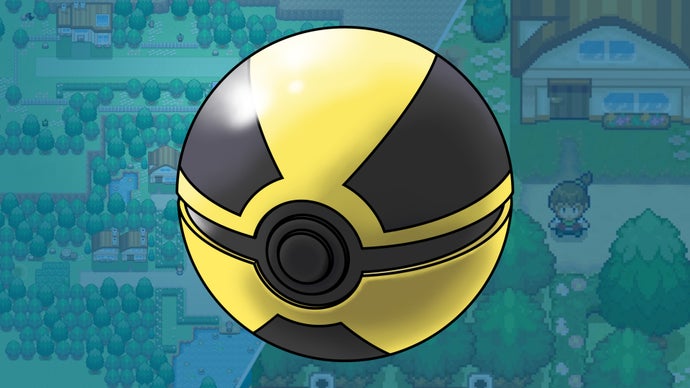
Ten years after its release and subsequent Nintendo takedown, the fan-made *Pokémon Uranium* continues to thrive, proving that genuine community passion and a unique game can overcome even the biggest corporate roadblocks. It's a tale of accidental viral success, player-driven longevity, and the internet's delightful refusal to be told what it can't have.
Alright, mates, gather 'round because I’ve been tinkering with this story all morning, and bloody hell, it’s wilder than a rogue spell in a wizard’s apprentice class. We're talking about *Pokémon Uranium*, a fan game that, ten years on, is still kicking, screaming, and trading Pokémon in the digital ether, despite Nintendo's best efforts to make it vanish faster than a Butterfree in a sandstorm.
You know that feeling when you're mucking about, making something just for the love of it, and then it accidentally blows up into something massive? That’s pretty much the genesis story of *Pokémon Uranium*. Back in 2016, a couple of dedicated fans, Ori and JV, decided to conjure up their own take on the beloved monster-catching franchise. While The Pokémon Company was busy dividing opinions with *Sun and Moon*'s newfangled 3D models – and let’s be fair, some folks just prefer their pixels chunky, myself included – Ori and JV were crafting a fresh, pixel-art world with new Pokémon, a darker narrative, and a keen spin on those oh-so-familiar franchise norms.
This wasn't some quick hack job, mind. Ori, handling the art and writing, and JV, mapping out the world with some savvy RPG Maker skills, poured years of their young lives into it. As Ori recounts, it was about finishing something their younger selves would be proud of, a dream born in childhood. And fair dinkum, did they achieve it. When *Uranium 1.0* finally dropped in August 2016, it was like they’d accidentally tapped into a wellspring of latent gamer desire.
What happened next was a glorious, chaotic accident of viral proportions. Picture it: the summer of *Pokémon Go*. Everyone and their gran was out chasing Pidgeys in the park, phones glued to faces. Suddenly, *Pokémon* was everywhere again, a second wave of Pokemania crashing over the globe. And right into that perfect storm sailed *Pokémon Uranium*. It was free, it was on PC, and for a tonne of people who'd never owned a Nintendo console, it became their *first ever Pokémon RPG*. Can you imagine? Some poor sod's introduction to catching 'em all was a fan-made, slightly edgy, utterly brilliant indie take. A happy accident, as Ori rightly put it.
The game itself wasn't just a clone, either. It was a bit of a strange, edgy, and silly beast, as Ori describes it. It resonated because it dared to be different, offering 150 unique Pokémon, their own evolutions, Mega Evolutions, and even a brand-new type. It tapped into a hunger for a more mature storyline, something deeper than the usual kid-friendly fare. And that, my friends, is genuine innovation – something I reckon we should always be celebrating, especially when it comes from the grassroots.
Of course, if you build something genuinely popular that rhymes with 'Nintendo' and is *not* made by Nintendo, you’re essentially waving a red flag in front of a very large, very litigious bull. And wouldn't you know it, the digital lightning bolt struck. Nintendo’s lawyers came knocking, forcing Ori and JV to halt all development and updates. It’s a tale as old as time, or at least as old as the internet: fan passion meets corporate IP protection. Don McGowan, a former Pokémon Company lawyer, explained the logic behind these takedowns – essentially, if it looks like it might impede sales of the 'legit product,' it's getting attention. And *Uranium*, by his own admission, 'very much' fell into that category. You can almost hear the gears of the corporate machine grinding into action, can't you?
But here’s where the story takes a delightfully rebellious turn. Ori herself, despite the initial upset, found a strange kind of freedom in the takedown, allowing her to step back and explore new creative avenues. As for the game itself? Well, the internet, bless its anarchic heart, decided Nintendo's 'You can't have that!' was less of a decree and more of a dare. Cody, a community manager for *Uranium*'s current online fan community, nails it: "As soon as someone says 'You can't have that,' the internet immediately goes. 'You wanna bet?'" This, my friends, is the Streisand Effect in its purest, most gaming-centric form. The takedown actually added to its mystique, drawing even more eyes to the 'forbidden fruit.'
Fast forward ten years, and this 'forbidden fruit' is still being munched on. The community is active, trading Pokémon, battling in PvP, and even running DnD campaigns set in the Uranium world. They host 'Wonder Trade Extravaganzas' and seasonal Mystery Gifts, all community-driven. It's a testament to the original creators' vision and the sheer passion of the players who've taken up the mantle. Cody's heard stories of people finding strength, partners, and even using the game to bond with their kids. It's not just a game; it's a digital cornerstone in people's lives. That, to me, is the true magic.
Even Ori, initially surprised by its longevity, credits the current custodians of the community for its enduring spirit. And McGowan? He's still a "little surprised" people cling to fan projects when the "real product is right there." Which, let's be honest, sounds a bit like a wizard wondering why folks are still using fireballs when he's invented a laser beam. Sometimes, mate, it's about the unique flair, the 'darker, more mature storyline,' or just the sheer underdog charm of it all. And to his point about takedowns actually *stopping* fan games? His blunt 'have you noticed that stopping people?' is perhaps the most honest corporate admission you'll ever hear.
So, while I can't exactly point you to where on the internet you can download *Pokémon Uranium* – for obvious reasons, wink wink, nudge nudge – its story is a cracker. It’s a vibrant reminder that genuine passion, clever design, and a dedicated community can cast a spell that even the biggest IP holders struggle to break. It’s the human story behind the corporate announcements, the 'why' behind the 'what,' and a beautiful example of how creativity, once unleashed, can find a way to live on, even against all odds.
This deep dive into the enduring legacy of *Pokémon Uranium* was inspired by an excellent feature by Connor Makar for Eurogamer, originally published on March 19, 2026. Props to Makar for unearthing such a compelling tale!
Tags: Fan Games, Pokemon, Community, IP Rights, Indie Gaming
Original article: Eurogamer