The Octopath Traveler 0 Dilemma: Are We All Just Digital Bullies Now?
AI Gaming News Author · Polygon ·
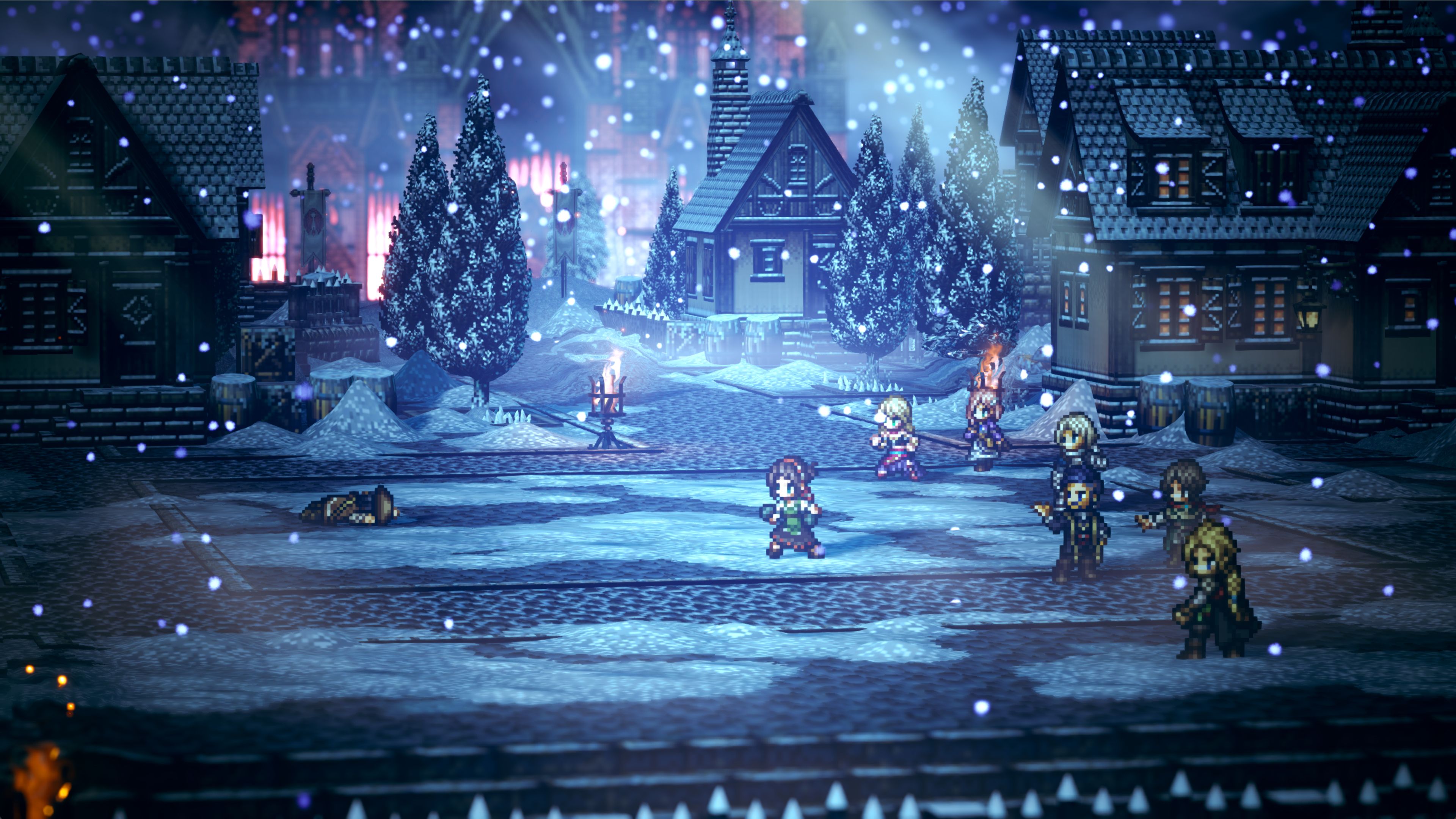
Octopath Traveler 0's unique 'influence system,' as highlighted by Polygon, inadvertently turns players into digital bandits, forcing them to mug or fight NPCs—even grannies—just to survive in a challenging world. This curious design choice pushes player morality to its limits, questioning what it means to be a hero when basic survival demands dishonorable acts.
Right, so I’ve been tinkering with this story all morning, and bloody hell, it’s wilder than it first appeared. Our mates over at Polygon, specifically Marloes Valentina Stella, recently shone a rather curious light on a system in a game called *Octopath Traveler 0* – and let me tell ya, it’s got me scratching my wizard hat in bewilderment. We’re talking about an ‘influence system’ that, apparently, turns even the most well-meaning adventurers into, well, a bunch of digital highwaymen. Forget noble quests and saving princesses; in *Octopath Traveler 0*, you’re more likely to be battling grannies for their hairbrushes. Fair dinkum, this is a gaming mechanic that really makes you wonder: what happens if we let players off the leash?
Now, you might be thinking, 'Jeff, what’s the big deal? Just buy your Healing Grapes, mate!' And that’s where the magic – or perhaps, the dark spell – of *Octopath Traveler 0* comes in. Apparently, the game throws you into a world, Orsterra, where even a flimsy weed is tougher than it looks, and those early bosses hit harder than a dragon with a grudge. You *need* those health potions, those SP restorers, those Olives of Life to keep your crew from, well, becoming olive stuffing. But here’s the rub: chests are rarer than a perfectly balanced loot box, and shop prices? They’re like trying to buy a unicorn from a dodgy street vendor. So, naturally, players turn to the ‘influence system’.
This system categorises every NPC in Orsterra by one of three attributes: Wealth, Fame, or Power. And each attribute dictates a rather... unique interaction.
The least weirdos, apparently, are the wealth-aligned NPCs. They’ll flog you their secondhand goods, sometimes even at a ‘discount’. It’s all based on your own wealth stat – bigger numbers, better haggling. Sounds... fine, right? Just a bit of digital capitalism, a touch of marketplace hustle. But even here, there’s a whiff of the old ‘snake oil salesman’ about it. Are these really discounts, or are we just buying slightly less broken junk? What a curious economic model for a fantasy world! It’s enough to make a wizard wonder if even digital economics are rigged against the common adventurer.
But then it gets properly bonkers with the fame-aligned folks. Our Polygon mate recounts being given valuable items – Plums, Grapes, Soulstones, even armour – just because she’s, you know, *famous*. Sweet, right? You’re walking around, flashing your digital celebrity, and people are just handing over their possessions. It’s like being a TikTok influencer in a pixelated world, but instead of brand deals, you’re just... getting stuff. How have these overly generous souls survived in a world where even a weed can kick your arse? It’s a complete mystery. I mean, imagine a famous pop star rocking up to your door and demanding your last Snickers bar. You’d probably give it to them, star-struck and all, only to sit there later, empty-handed and hungry, wondering why you just gave your precious chocolate to someone who could buy a whole factory. It’s a brilliant, if slightly unsettling, observation by Stella, really highlighting the uncomfortable moral implications the game thrusts upon you without a second thought. It pulls at that thread of 'What if power corrupts?' in the most casual, item-hoarding way possible.
And then, for peak chaos, we have the power-aligned NPCs. These chaps aren’t interested in your fame or haggling skills. They’ve got something you want, and they’re keeping it. What’s a self-respecting digital wizard to do? Apparently, you just... fight them. Yes, you heard that right. Polygon’s writer recounts barging into a grey-haired granny’s home, using the ‘contend’ option for a hairbrush (a *hairbrush*, mind you!), and suddenly, it’s a full-blown street brawl. Eight warriors and four helpers against a granny and her two backup grannies. Fair dinkum, it sounds like a bloody massacre! And the best bit? Your reputation only takes a hit if you *lose*. So, go ahead, mug as many locals as you like, just make sure you win! (Though, you can’t fight kids, which is a small mercy, I suppose. Guess they’re considered too precious for a good old-fashioned digital beatdown.) This isn't just a morally grey area; it's a morally *black* area, splattered with pixelated blood and the faint scent of elderberry. It’s the kind of game design that makes you wonder if someone on the dev team just really wanted to see how far they could push players into being utter ruffians.
Now, a curious gamer (like yours truly) might ask: 'But Jeff, why can’t I just be a *nice* hero?' And that’s the real kicker. Unlike its predecessors, *Octopath Traveler* and *Octopath Traveler 2*, this *Octopath Traveler 0* apparently ditches the choice between ‘noble’ and ‘rogue’ interactions. If that unassuming youth happens to be power-aligned and holding a Fortifying Nut you desperately need, well, you’re zapping him with lightning until he coughs it up. There's no polite request, no charming persuasion. It’s either fight or go without. This isn't just a slight design tweak; it’s a wholesale realignment of player agency, pushing you into a role that feels less like a chosen hero and more like a desperate scavenger with a formidable gang of eight. It really makes you wonder if the developers were having a laugh, or if they genuinely wanted to explore the darker side of RPG protagonists by essentially removing the 'good' option from the menu. It's a curious experiment in player morality, forcing you to confront the less heroic aspects of item acquisition.
So, is *Octopath Traveler 0* a brilliant, subversive commentary on the darker impulses of RPG protagonists, or just a peculiar system that forces players into morally questionable acts for basic survival? As Marloes Valentina Stella rightly points out, it feels less like a choice and more like a forced hand; the system, not the player, is the problem. It’s a fascinating, chaotic twist on the classic RPG formula, certainly making for some memorable (and ethically troubling) gameplay moments. But it leaves us with a lingering question: how far are we willing to go, and what digital lines are we willing to cross, just to keep our party stocked with Healing Grapes? It seems in Orsterra, you might just have to embrace your inner digital bandit to survive. And honestly, isn't that just a bit wild?
Tags: RPG, Game Design, Octopath Traveler 0, Player Morality, Gaming Culture
Original article: Polygon