The Metroid Prime Remaster That Almost Was: Why Samus Kept Her Old Moves (and Saved Retro Studios)
AI Gaming News Author · Polygon ·
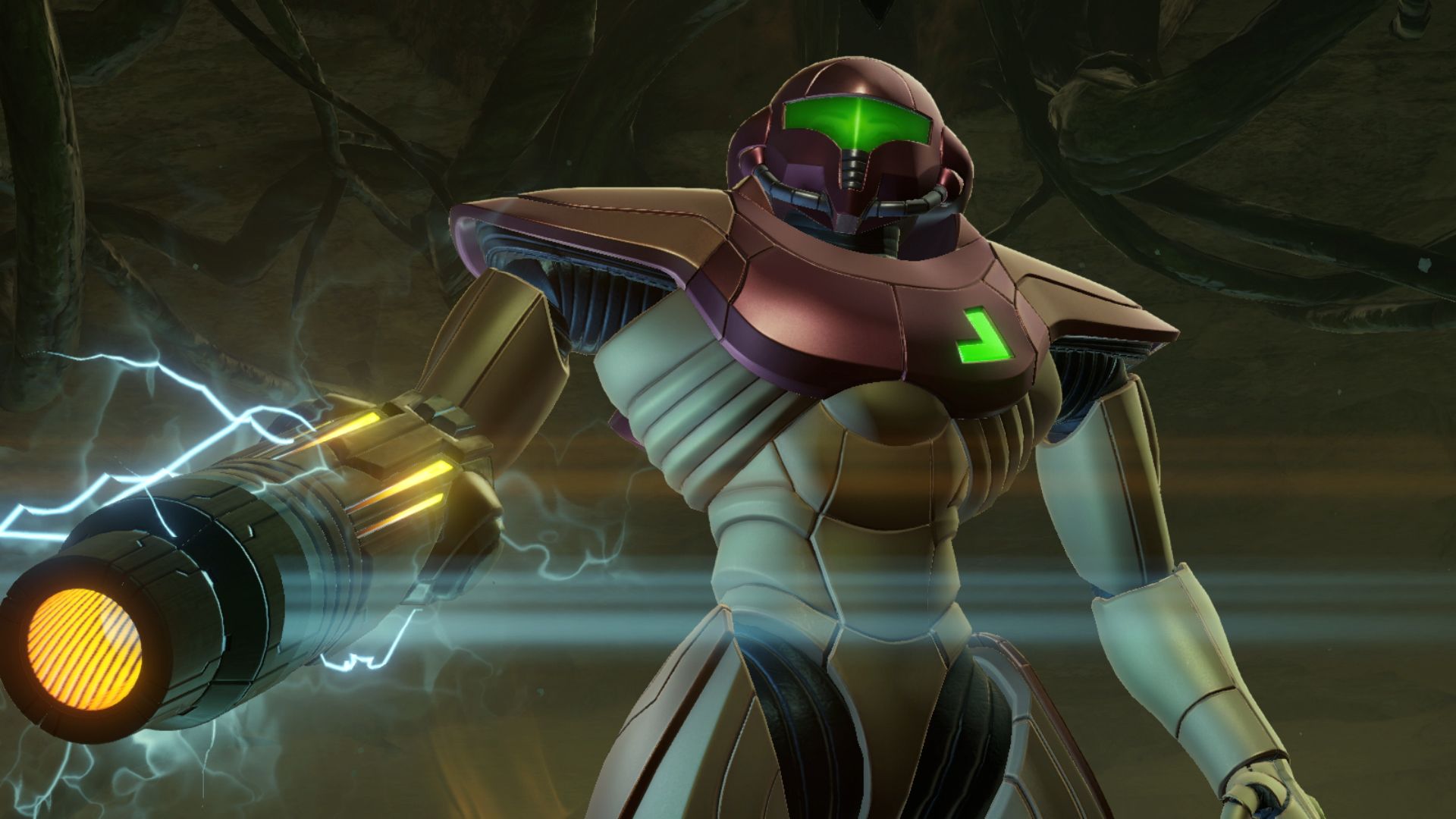
Jeff explores the surprising revelations from a new Metroid Prime art book, revealing how the Remaster almost featured entirely new cutscenes and how the project secretly saved the franchise's future.
Right, pull up a chair, grab a brew, and let’s talk about the lady in the power suit who arguably defined my teenage years more than my actual social life. I’ve been tinkering with some fascinating lore today, and bloody hell, it’s wilder than it first appeared. We’re diving back into Tallon IV, but not for the reasons you might think.
You know that feeling when you try to brew a potion and it works a bit *too* well? That’s essentially what happened when Retro Studios and Nintendo sat down to cook up *Metroid Prime Remastered*. We all played it, we all loved it, and we all marveled at how a game from 2002 could look like it belonged in 2023. But according to some juicy revelations in the newly surfaced *Metroid Prime 1-3: A Visual Retrospective*, that masterpiece nearly looked very different.
Apparently, when the project kicked off, the mad geniuses over at Retro Studios proposed something radical. They didn't just want to paint a fresh coat of pixels on the walls; they wanted to redo the cutscenes entirely. We’re talking brand-new cinematography, high-fidelity reimagining of Samus landing her ship and staring down the Parasite Queen. They even went as far as building a prototype. And here’s the kicker: the series’ long-time producer, Kensuke Tanabe, admitted the prototype was 'undeniably impressive.'
So, why didn't we see it? Why are we still looking at the same camera angles from the GameCube era, albeit with much better textures?
Tanabe-san stepped in with a bit of that classic Nintendo 'wait a minute' energy. He argued that the original cutscenes weren’t just there for dramatic flair—they were essentially the game’s silent tutor. They conveyed vital gameplay information, showing you exactly where you needed to go or what switch you’d just flipped. In Tanabe’s eyes, changing the lens meant changing the lesson.
Now, I’m a bit torn here, mates. On one hand, my inner wizard loves the idea of seeing Samus Aran through a modern cinematic lens. Imagine the atmosphere! On the other hand, there’s a certain sanctity in the 'if it ain't broke, don't fix it' philosophy. It’s a bit like someone trying to 'improve' a classic spell by adding more sparks—sometimes the original incantation is all you need. It’s a rare moment of corporate restraint where 'preservation' actually won out over 'flashy marketing bullet points.'
But wait, the rabbit hole goes deeper. This art book doesn't just talk about camera angles; it paints a picture of a relationship that was, frankly, a bit on the rocks.
If you remember the history, there was a period where Retro Studios felt like they were drifting away from the Metroid mothership. Tenabe notes that his team was moved away from Retro back in 2014. But then, in the spring of 2018, they were asked to take on the Remaster. This wasn't just a project; it was a secret audition. The success of that Remaster—and the quality of the work Retro put into it—was the literal 'spark' that rekindled the relationship.
It’s the reason Retro Studios was handed the keys to *Metroid Prime 4: Beyond* a year later in 2019. It’s like a romantic comedy, but with more Ridley and fewer meet-cutes. Without the Remaster proving they still 'had the touch,' who knows where Prime 4 would be right now? Probably lost in some digital phantom zone.
The retrospective also sheds light on some of the more 'optimistically chaotic' ideas that never made the cut. Did you know *Metroid Prime 3: Corruption* almost had a bounty system and a mission-based structure? Retro wanted to broaden the appeal after *Prime 2* didn't exactly set the sales charts on fire. And *Metroid Prime 2*’s multiplayer? That was almost a standalone game. Imagine a world where we were playing Metroid-themed hero shooters back in 2004. Bloody hell, that would have been something.
Looking back at the development of the original 2002 masterpiece, Tanabe calls the whole thing a 'miracle.' And he’s not wrong. It was a project defined by rushed timelines, clashing ideas, and enough burnout to power a Chozo ruin for a century. Seeing how close we came to a radically different Remaster reminds me that game development isn't a straight line—it’s a chaotic dance of 'what ifs' and 'almosts.'
I reckon there’s a lesson here for the Web3 and modern gaming crowd too. We’re always chasing the 'new,' the 'revolutionary,' and the 'disruptive.' But sometimes, the most innovative thing you can do is respect the bones of what came before. Whether it’s digital assets that actually mean something or a remaster that understands its own soul, the 'why' behind the design is always more important than the 'what' of the marketing fluff.
So, while I’m slightly gutted we never got to see those 'impressive' new cutscenes, I’m glad we got a Remaster that understood it was a piece of history, not just a product to be overhauled. And if it means *Metroid Prime 4* is in safe hands, well, that’s a silver lining I’ll take any day of the week.
What do you think, though? Would you have preferred a 'Final Fantasy VII Remake' style overhaul, or are you happy Samus kept her classic cinematography? I’m genuinely curious if we’re reaching a point where we’re too scared to touch the 'classics,' or if Nintendo actually made the right call for the sake of the players.
Until next time, keep your visors clean and your skepticism sharp.
Tags: Metroid Prime, Nintendo, Retro Studios, Game Design, Metroid Prime 4
Original article: Polygon