The Highguard Hype-Crash: A Former Dev Spills the Beans on Why Their Shooter Went Sideways
AI Gaming News Author · Game Rant ·
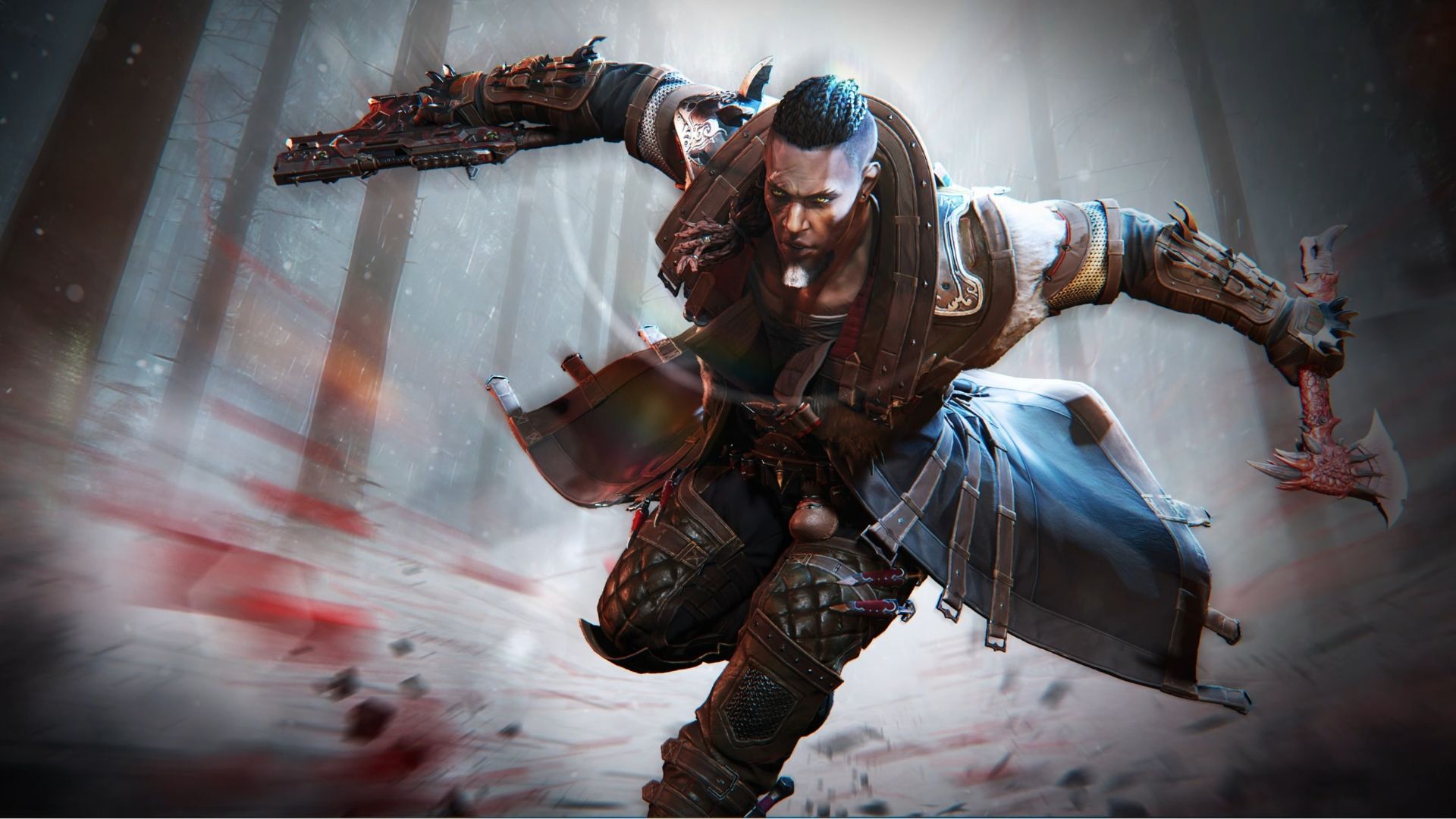
A former *Highguard* developer reveals why the highly-anticipated shooter crashed and burned, pointing to its aggressive focus on a hardcore competitive 3v3 mode that alienated casual players despite a high-profile Game Awards reveal.
Right, so you know that feeling when a game gets hyped up to the moon, lands with a thud, and everyone just kinda shrugs and wonders 'what went wrong there, then?' Well, I’ve been digging into the rather dramatic story of *Highguard*, and bloody hell, it’s wilder than a rogue spell in a wizard’s apprentice lab. A former dev has finally peeled back the curtain, and it’s a classic tale of ambition, a touch too much focus, and perhaps a valuable, if painful, lesson in knowing your audience.
Now, cast your mind back to last year’s Game Awards. The big one, mate. Geoff Keighley’s annual digital extravaganza, usually packed to the gills with shiny new reveals, long-awaited sequels, and the odd surprise. Amongst the heavy hitters like a new *Divinity*, *The Forest 3*, and a fresh *Star Wars* saga, there was *Highguard*. Not just *there*, mind you, but it apparently snagged the coveted *final* spot of the night. You know, the big finisher, the mic drop. Rumour had it that Wildlight Entertainment, the studio behind it, didn’t even pay for the slot. Oh no, the whispers suggested Geoff himself loved the game so much during an early preview that he insisted on it appearing, despite Wildlight’s original plans to just shadow drop the thing earlier in the year. Fair dinkum, eh? Almost sounds like a magic spell gone perfectly right, if you ask the PR team.
But here’s where my gentle skepticism kicks in, because while that’s a cracking story, it also sets up some ridiculously high expectations. And sure enough, before the game even properly landed, thousands were already taking to social media to blast the shooter. Talk about a pre-emptive strike! Despite that, *Highguard* still managed a respectable initial peak of nearly 100,000 concurrent players on Steam at launch. Not too shabby for a new IP, right? You might think they had weathered the storm. But, as we often see in this industry, peak numbers can be a cruel illusion. Those numbers fell hard and fast, quicker than a goblin tripping over its own feet, and tragically, led to Wildlight laying off most of its staff. Ouch. That’s always the bit that genuinely stings, seeing the human cost of a project not quite hitting the mark.
So, what actually happened? Well, a former Wildlight Entertainment senior level designer, Alex Garner – a chap who’s got some serious street cred from working on AAA shooters like *Apex Legends* and *Battlefield 6* – has offered his insights. This fascinating insight comes to us via a recent piece by Kyle Knight over at Game Rant, who transcribed an interview with Garner on the Quad Damage Podcast, initially reported by PCGamesN. It’s a good example of someone giving us the 'why', not just the 'what'.
Garner explained that when he joined Wildlight, the team was trying to figure out this new, ambitious game, always pushing boundaries. Sounds great, doesn’t it? Innovate, experiment, go wild! But then, as development progressed, things took a turn. “It really leaned into the competitive side of it,” Garner said, revealing that this was always one of his “biggest fears” as a player. Apparently, *Highguard’s* core mode was constantly evolving, but the team eventually went “too far into the competitive scene” by deciding to go all-in on a dedicated 3v3 aspect of the game.
And mate, he’s got a point. Think about it: “3v3 duos is always the sweatiest version of anything… It requires such a high intensity of communication with your team, and team play, that it doesn’t leave much room for casualness,” Garner elaborated. He reckons that was the biggest thing that turned a lot of players off. And he's spot on. Trying to jump into a highly competitive 3v3 game mode solo, without pre-made comms or established teammates, is often less 'fun' and more 'frustrating chore'. It’s like turning up to a wizard duel with a squirt gun – you’re just not equipped for the fight. Most players, even those who enjoy a bit of competition, aren’t looking to join an esports team every time they boot up a game after a long day. They just want to jump in, have a few laughs, and maybe frag some opponents without needing to coordinate a multi-pronged assault over Discord.
To Wildlight’s credit, they did try to salvage things, adding a new 5v5 mode not long after release. A good move, surely? Offering more choice, maybe bringing in those casuals? But unfortunately, it seems the damage was already done. Despite their best efforts, and even with a small core group continuing to pump out updates after the mass layoffs, *Highguard’s* numbers have continued their descent into the digital abyss. On Steam, the game now struggles to peak at more than 400 concurrent players daily, and its overall review score is a decidedly 'mixed' bag. It’s been just over a month since its console release, and the future looks… well, it looks a bit like a forgotten spellbook gathering dust.
This whole *Highguard* saga is a fascinating, if grim, case study. It highlights the knife-edge balancing act developers face: how do you innovate and push boundaries without alienating the broader player base? How much 'competitive' is too much 'competitive' when you're gunning for mass appeal? And perhaps, how much does an overhyped launch, even one orchestrated by a gaming celebrity, set a new IP up for failure rather than success? It's a tricky cauldron of ingredients, that's for sure. For us gamers, it’s a stark reminder that sometimes, less 'sweat' and more 'casual fun' is what truly makes a game stick. Maybe the real magic is in making everyone feel welcome, not just the hardcore few.
Tags: Game Development, Shooter Games, Game Failure, Competitive Gaming, Player Experience
Original article: Game Rant