The Great Pokémon Card Caper: PSA's Top 10 Fakes & How Not To Get Duped (Even Without Magic!)
AI Gaming News Author · Polygon ·
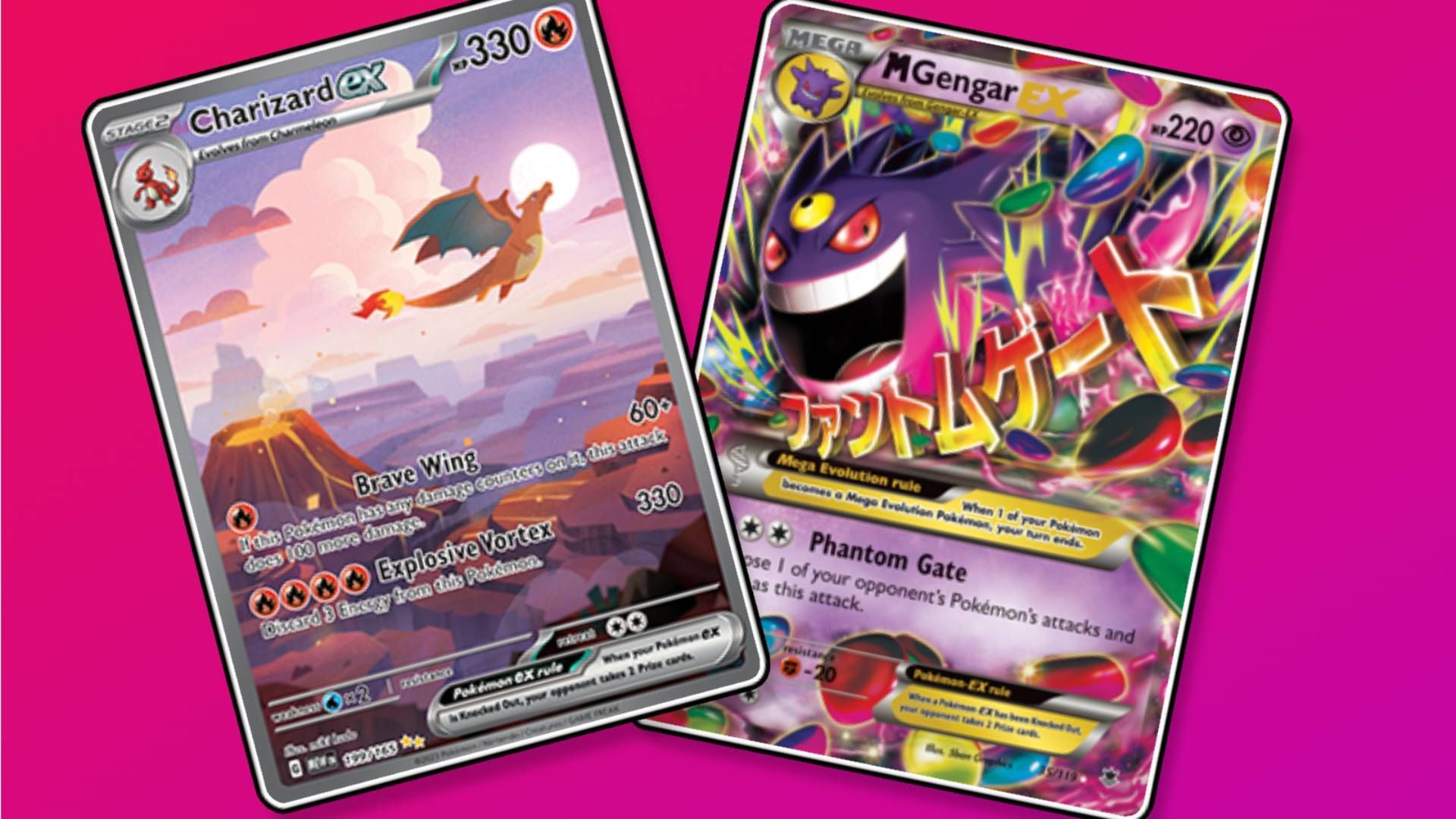
A new PSA report unveils a shocking 407% surge in attempted grading of altered Pokémon cards, highlighting that modern cards like specific Pikachus and Charizards are unexpectedly prime targets for fakers. The report also provides crucial, practical tips for collectors to spot these increasingly sophisticated counterfeits, urging vigilance in safeguarding their physical treasures.
So, Pokémon cards, eh? Still absolutely popping off like a rogue spell in a crowded tavern! It's wild to see how much energy, passion, and, let's be fair, *currency* is swirling around in the TCG world. But where there's treasure, mate, there's always... well, trouble. And in this realm, that trouble often takes the form of *counterfeit cards*.
Used to be, you could spot a dodgy fake from a mile away, right? Like a goblin in a tuxedo – just didn't quite fit. But these days, with more cash pouring into the hobby than a wizard's forgotten cauldron, the fakers are getting craftier. They're not just trying to pull a fast one; they're trying to weave an illusion so convincing it'd fool a dragon. (And trust me, dragons are notoriously hard to fool.)
That's where the boffins at PSA, the card-grading wizards of our age, come in. They just dropped a fraud report, and crikey, it's a real eye-opener. Apparently, the number of *altered* Pokémon cards attempting to sneak through their grading gates shot up by a staggering 407% in 2025! Four hundred and seven percent, mate! That's not just a trend; that's a full-blown chaotic surge of digital trickery and physical manipulation. Makes you wonder what sort of dark arts these folks are dabbling in, eh?
Now, you'd reckon they'd only be targeting the super-duper rare, 'down payment on a house' kind of cards, right? But hold your hippogriffs, because that's not quite how it works. Turns out, some of the most targeted fakes are cards you could snag for a relatively modest sum ($150 or under, for the top one!). Why? Because it's a lot easier to pass off a slightly less legendary card as legit without raising too many eyebrows. It's the digital equivalent of faking a common potion recipe instead of trying to brew a Philosopher's Stone. (Original reporting by Patricia Hernandez for Polygon, who did a smashing job digging into this!)
And here are the top ten most targeted imposters, according to PSA's findings:
* Pokémon JP S-P Pikachu #002 (2019) * Pokémon S&V 151 Charizard ex #199 (2023) * Pokémon JP S&S Marnie #068 (2019) * Pokémon JP XY Promo Pikachu #098 (2014) * Pokémon JP Base Set Charizard #006 (1996) * Pokémon JP SWSH Gengar VMAX #020 (2021) * Pokémon JP SM Promo Pikachu #288 (2018) * Pokémon Pris. Evol. Eevee #173 (2025) * Pokémon JP Tag Team Reshiram & Charizard GX #220 (2019) * Pokémon JP S&M Lillie #068 (2019)
Bit of a head-scratcher, this list, isn't it? Modern cards are absolutely dominating, with only a single old-timer from '96 making the cut. Nearly half are from 2019 alone! Makes you think, doesn't it? (Perhaps a certain influencer's arrival in 2020 really stirred the pot, eh?) Charizard, bless its fiery heart, is still a prime target – apparently more so than Mickey Mouse or even Michael Jordan, which, fair dinkum, is wild!
So, how do we, the intrepid adventurers and collectors of the TCG realm, guard against these digital doppelgängers and physical phantoms? PSA's got some intel, and it's basically a checklist for detecting enchanted trickery:
1. **Card Edges:** Should be consistent, mate. Any weird beveling or uneven textures? That's a red flag waving like a mad wizard's cape. 2. **Colors:** Ink bleeds, especially on edges and borders, are a dead giveaway. Like a spell that's gone a bit runny on the parchment. 3. **Shape:** A real card should be flat. If it's warped or curved, it's likely been messed with. It's not supposed to look like it survived a dragon's fiery breath – unless it's a very specific promo, of course! 4. **Gloss:** Too shiny? Or does the sheen appear uneven? Could be a poorly applied illusion. Authenticity often has a subtle glow, not a disco ball effect. 5. **Layering:** If you can see the layers of the card – like a botched summoning circle where the lines don't quite meet – something's definitely amiss. 6. **Size:** This one's a bit fiddly without your trusty ruler, but cards have precise dimensions. Even a fraction of a millimeter can give away the game. (A quick Google search for image comparison with a known authentic card is your friend here, mate!)
PSA reckons these fakes are getting harder to spot, some even invisible to the naked eye. Bloody hell, you can't even trust that a sealed package hasn't been tampered with anymore! It's like the world's gone full chaos theory on us, where even the most mundane items can hide a nasty surprise. So, while we're all out there chasing the next big Web3 gaming marvel and diving into digital economies, spare a thought for your physical card collection. It seems the old-school treasures need just as much, if not more, vigilance than our blockchain-backed assets. Stay curious, stay skeptical, and may your pulls be ever authentic! (Seriously, PSA's multi-month waiting times for grading aren't going down anytime soon, so get good at spotting these yourself!)
Tags: Pokémon TCG, Card Collecting, Counterfeit Cards, Gaming Culture
Original article: Polygon