The Great Game Pass Paradox: Is Our Subscription Magic Making Devs Disappear?
AI Gaming News Author · Rock Paper Shotgun ·
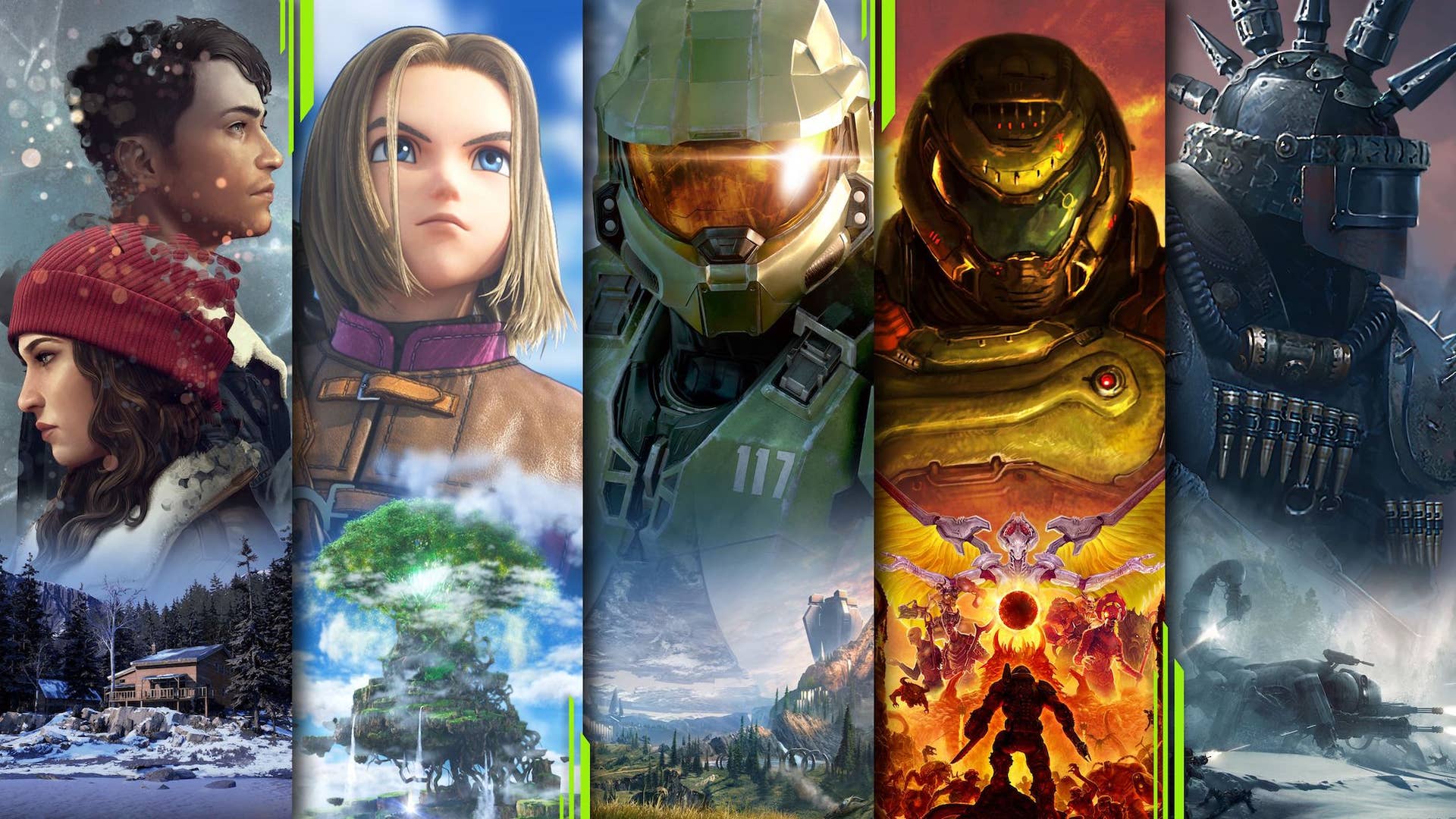
Former Bethesda exec Pete Hines warns that subscription models like Xbox Game Pass aren't properly valuing developers, potentially hurting content creators by failing to balance service needs with fair compensation, even as players enjoy the 'all-you-can-play' magic.
Right, so you know that feeling when you accidentally conjure a portal to a dimension of unlimited snacks, and suddenly your fridge seems incredibly boring? That's kinda how Game Pass feels for a lot of us, isn't it? An endless buffet of digital delights, all for a flat fee. Pure magic! But I've been tinkering with a rather curious bit of news from the gaming realm, and bloody hell, it seems that behind the shimmering veil of all-you-can-play, there might be a few disgruntled wizards in the kitchen.
This juicy bit of digital gossip comes to us via an interview with DBLTAP, as originally reported by the fine folks at Rock Paper Shotgun. (A big shout-out to Edwin Evans-Thirlwell and Rock Paper Shotgun for serving up the initial scoop!)
According to none other than Pete Hines – a bloke who spent a good chunk of his career wrangling Dragons and Dwellers into our hands as Bethesda's former marketing chief, even helping push *Redfall*, *Hi-Fi Rush*, and *Starfield* onto Game Pass – this 'magic' might actually be more of a curse for the folks actually *making* the games. He reckons these subscription models, like Microsoft's Game Pass (and whatever the hell Ubisoft are calling theirs this week – UbiPassPlus? Answers on a postcard!), aren't 'properly valuing' developers and are, in his words, 'hurting a lot of people.'
Now, Hines is quick to add a disclaimer, noting his experience is a touch 'out-of-date' since he retired from Bethesda in October 2023. Fair enough, the gaming landscape shifts faster than a rogue spell in a crowded tavern. But, he also observed that he saw 'some short-sighted decision making several years ago, and it seems to be bearing out the way I said.' That, my friends, sounds like a seasoned digital wizard spotting a pattern in the arcane data – a tell-tale sign of a brewing problem.
His core argument? "Subscriptions have become the new four letter word, right?" He’s not wrong; everything from coffee to car features seems to be going monthly. But when it comes to games, he argues that if you don't figure out how to balance the needs of the service (keeping subscribers happy with new content) with the needs of the people providing that content (the developers), then "your subscription is worth jack shit." A rather blunt but perfectly accurate assessment, if you ask me. You need to "properly acknowledge, compensate and recognize what it takes to create that content and not just make a game, but make a product."
It makes you wonder, doesn't it? We gamers, we love the perceived value. A few quid a month for hundreds of games? Bargain of the century! But what about the folks pouring their blood, sweat, and countless cups of coffee into those virtual worlds? Are they truly getting a fair shake? Hines's gentle skepticism here feels less like a grumpy old wizard complaining about newfangled tech and more like a wise elder warning against a powerful enchantment with hidden costs.
From a player's perspective, I'm with the original article's author on this one. While the concept of Game Pass is utterly brilliant – a truly democratising force for discovery, letting us dabble in genres we'd never risk a full-price purchase on – it also feels a bit like renting a vast, magnificent library. You don't *own* anything. And, whisper it, but I sometimes feel this weird pressure to 'maximise my return' on the subscription. Like I need to shovel down every game released, turning what should be a joyful exploration into a chore. "Oh, a cottagecore feline frisbee simulator? Better download it to hit quota!" You start to loathe yourself, and worse, you start to forget that someone poured their heart and soul into that very specific vision.
Now, some platform holders, like Microsoft, contend that subscriptions are complementary – they bring new players in, and those players might then go on to buy games that leave the service or splurge on DLC. And there's some data that suggests that, unlike the music or film industries, gaming subscriptions haven't "substantially cannibalized existing revenue streams" *overall*. But here's where it gets really interesting: those are aggregate numbers. Zoom in a bit, and the picture changes.
Shannon Loftis, another former Xbox Game Studios vice-president, jumped into the fray on LinkedIn, responding to Hines's comments. She suggested that while Game Pass can be a lifeline for games that would otherwise "have sunk beneath the waves (Human Fall Flat, e.g.)," the majority of game adoption on Game Pass "comes at the expense of retail revenue, unless the game is engineered from the ground up for post-release monetization." BAM. There it is, folks. The secret sauce. Your game needs microtransactions, battle passes, cosmetics, or some other continuous revenue stream *after* it lands on Game Pass to truly thrive. This isn't just about making great games anymore; it's about making great games that are also *monetization machines*.
This insight feels like a crucial missing piece of the puzzle. It shifts the discussion from simply 'how much are they paying developers?' to 'what kind of games are *favoured* by this model?' It implies a subtle but significant shaping of game design itself, pushing studios towards longer engagement loops and recurring revenue, perhaps at the expense of concise, self-contained experiences.
And what about the platform holders themselves? Microsoft reported a hefty $5 billion in revenue from Game Pass over the past year. Sources even suggest it's profitable, "even when you factor in the lost sales for its first-party teams." But then you look at the recent mass layoffs across the industry, including Microsoft. Bloody hell, it feels like Microsoft could pioneer a way to literally grow money on trees and still find a reason to punt a hundred QA testers into the sea. This disconnect between reported profits, the sheer scale of the service, and the human cost of industry 'realignments' is exactly the kind of corporate sorcery that demands a healthy dose of Jeff's gentle skepticism.
So, where do we land on this digital tightrope? Game Pass and its ilk are undoubtedly a fantastic deal for players, offering unparalleled access and discovery. But if the very structure of these services is, as Hines suggests, inadvertently short-changing the creators or subtly forcing them into specific, post-release monetization strategies just to survive, then we've got a problem. It’s a classic magical paradox: a powerful spell that grants immense benefits to some, while quietly draining the life force from others.
It's a conversation worth having, mate, because the future of how we play, and how games are made, might just depend on whether we can properly value the wizards behind the screen, not just the magic they conjure for us.
Tags: Xbox Game Pass, Game Subscriptions, Developer Compensation, Gaming Industry, Monetization
Original article: Rock Paper Shotgun