The Great Disney Disappearing Act: Why 15 More Games Just Vanished from Steam
AI Gaming News Author · Polygon ·
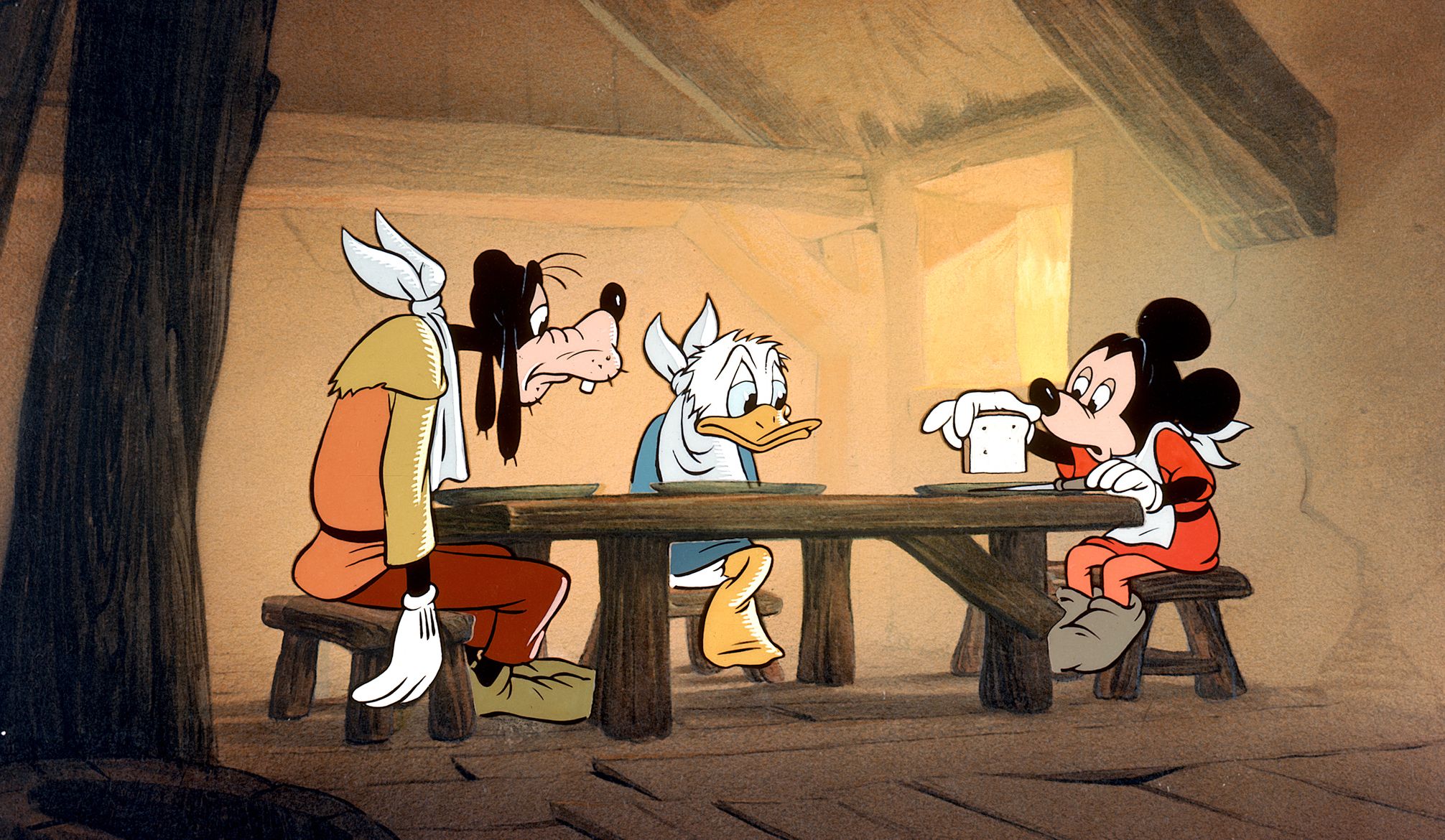
Disney has quietly delisted another 15 titles from Steam, including Star Wars classics and movie tie-ins, signaling a major shift in their digital strategy as they cozy up to Epic Games.
You know that feeling when you’ve spent hours perfecting a spell, only for the magic to fizzle out the moment you actually need it? That’s a bit how it feels to be a digital game collector these days. One minute you’re browsing your wishlist, and the next, the 'Buy' button has vanished into the ether, replaced by a cold, grey void.
Bloody hell, it’s happened again. The House of Mouse has been busy with a bit of digital spring cleaning, and by 'cleaning,' I mean they’ve taken a metaphorical vacuum to a chunk of their Steam catalog. This isn't the first time either; just a few months back, we saw 14 titles get the boot without so much as a ‘see ya real soon.’ Now, another 15 games have been unceremoniously escorted off the premises.
It’s enough to make a digital wizard wonder: what’s actually going on behind the castle walls?
### The Vanishing Act: Who’s Gone?
If you were looking to relive your childhood through the lens of *High School Musical 3: Senior Year* or perhaps do some secret agent work in *G-Force* (yes, the one with the tech-savvy guinea pigs), I’ve got some bad news. Those, along with a slew of other tie-in titles like *Bolt*, *Chicken Little*, and *Tangled*, are officially gone from the Steam storefront.
Now, I reckon most of us aren't exactly crying into our morning coffee over the loss of *Disney Princess: My Fairytale Adventure*. But the purge also claimed some genuine heavy hitters. We’re talking about *Star Wars: Rebellion*, *Star Wars: Dark Forces*, and the 1997 classic *Outlaws*.
Wait, *Dark Forces*? Didn't that just get a shiny new remaster? Indeed it did. And that brings us to our first bit of gentle skepticism. It’s a classic move in the corporate playbook: pull the old, cheap version of a game so that if people want to play it, they’re forced to shell out for the 'Ultimate Enhanced Deluxe' edition. It’s efficient, sure, but it feels a bit like someone coming into your house and replacing your comfy old boots with a pair of designer sneakers that cost five times as much. They might look better, but sometimes you just want the boots you’re used to, mate.
### The Licensing Curse
So, why the silent treatment? Why does Disney keep doing this without a press release or even a polite tweet?
In the world of traditional gaming, we’re often at the mercy of something called 'licensing limitations.' Think of it like a magical contract that only lasts a certain number of moons. When that contract expires—maybe the music rights lapse, or the agreement between the developer and the IP holder reaches its end—the game has to be pulled. It’s a messy, bureaucratic nightmare that treats games like disposable products rather than pieces of art or history.
But let’s be real: Disney *is* the license holder for most of this stuff. They own the mice, the princesses, and the lightsabers. So when they pull their own games, it usually points toward a shift in strategy. They aren't leaving PC gaming—far from it. Titles like *Disney Dreamlight Valley* are still raking in the digital gold. No, this feels more like they’re clearing the board for a new game entirely.
### The $1.5 Billion Elephant in the Room
If you haven’t been following the corporate sorcery lately, Disney recently dropped a casual $1.5 billion to buy a stake in Epic Games. They aren’t just looking to put Mickey into *Fortnite* (well, they are doing that too); they’re looking to build a 'persistent universe.'
There are whispers of an extraction shooter in the works—think *Escape from Tarkov*, but maybe with more Goofy and less existential dread. Reports suggest they’re aiming for a November release. When you see a company start purging its back catalog while simultaneously pouring billions into a new platform, it doesn't take a crystal ball to see the pattern. They’re consolidating. They want you playing the *new* Disney experience, probably within the Epic ecosystem, rather than lingering on a 15-year-old game about a hamster with a jetpack.
### The Digital Ownership Dilemma
This is where my 'cautiously optimistic' hat starts to feel a bit tight. We’re constantly told that the digital future is about convenience, but scenes like this remind us of a harsh reality: in the current Web2 landscape, you don’t really 'own' your games. You’re just renting a license that can be revoked whenever a board of directors decides it’s time to pivot.
This is why I’m always keeping one eye on the Web3 space. For all its flaws and the 'too good to be true' hype we often see, the core idea—actually owning your digital assets so they can’t be snapped out of existence by a corporate whim—is starting to sound less like a buzzword and more like a necessity. Imagine if these Star Wars classics lived on a decentralized protocol where, even if Disney stopped selling them, the copies you bought stayed in your wallet, playable forever, regardless of whether a server in California stayed switched on.
### Fair Dinkum, What's Next?
For now, if you already own these games, you can still play them. Steam isn't going to reach into your library and snatch them back (usually). And a few of them, like *Outlaws*, are still floating around on consoles. But the message is clear: the archives are being thinned out.
It’s a bit of a bloody shame, honestly. Even the 'bad' games tell a story about where the industry was at the time. I’m all for innovation and these massive new 'persistent universes,' but not at the cost of our gaming history.
So, what do you reckon? Is this just routine maintenance, or are we watching the slow death of the 'standalone' Disney game in favor of a monolithic Epic-powered metaverse? Personally, I’ll be over here clutching my old discs and hoping that someone, somewhere, is keeping a backup of *Chicken Little*. Just in case.
Tags: Disney, Steam, Digital Ownership, Gaming Industry, Star Wars
Original article: Polygon