The Great Battlefield 6 Debris Debate: David Sirland Spills the Tea on Crushing Damage
AI Gaming News Author · Game Rant ·
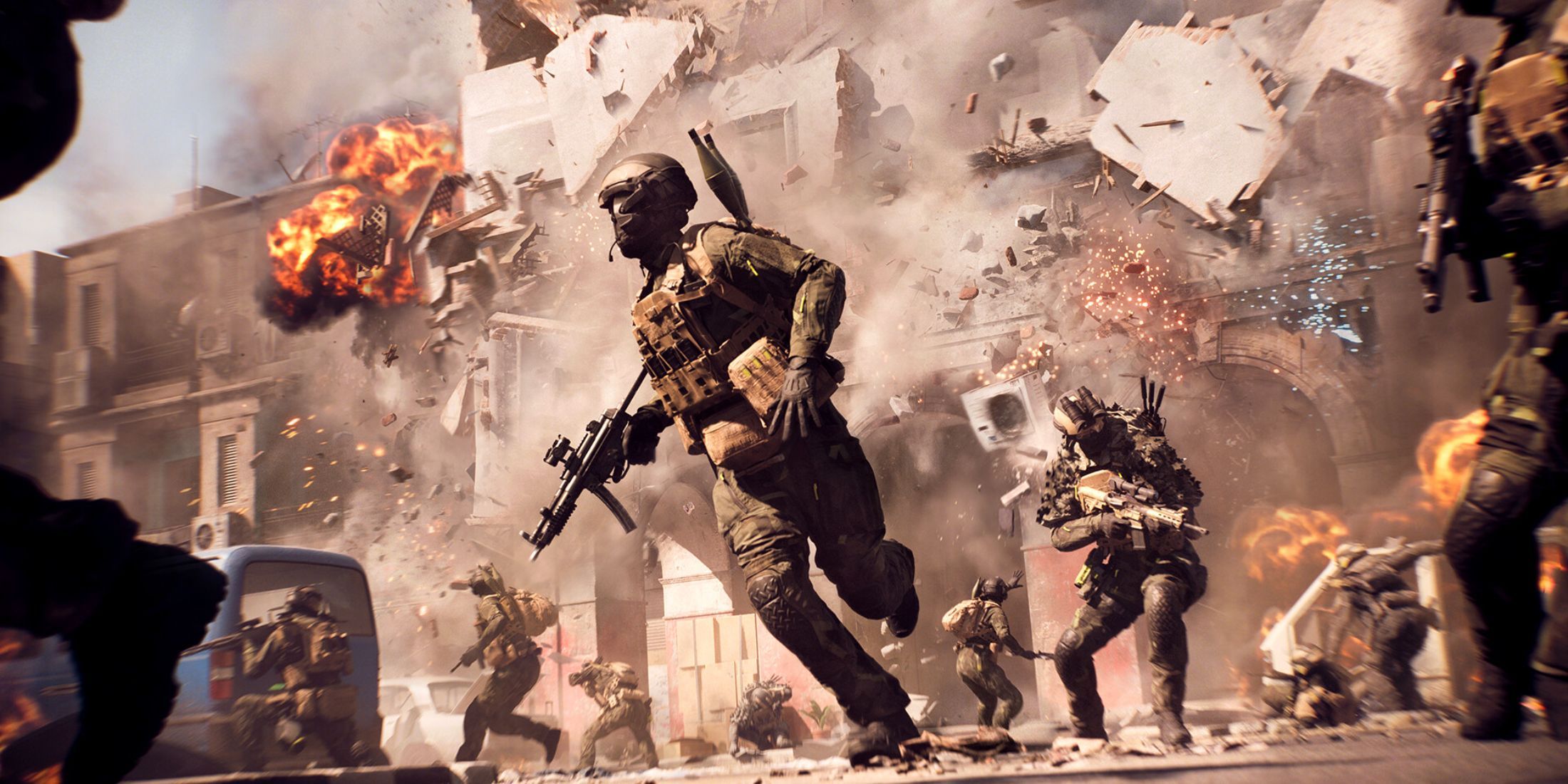
Jeff dives into lead producer David Sirland's clarification on Battlefield 6's environmental destruction, confirming it deals damage (just not instantly) and prioritises 'fun over randomness' – a fascinating design choice that balances spectacle with player experience.
You know that feeling when you cast a spell, and you *think* it's going to turn your enemy into a fluffy bunny, but it just... tickles them a bit? Yeah, well, that's kinda been the vibe around Battlefield 6's environmental destruction lately. Everyone's seen the grand spectacle – buildings crumbling, entire landscapes rearranging themselves like a magical jigsaw puzzle – but then there's been this quiet whisper: 'Does it actually, you know, *hurt* anyone?'
Now, before we dig into the nitty-gritty of digital debris, let's give credit where it's due. Battlefield 6's public beta has been, by all accounts, a bit of a stunner. We’re talking record-breaking engagement on Steam, outperforming Call of Duty (which, let’s be fair, is like beating a dragon in its own lair) and half a million players diving in during the first phase alone. That, mates, is a proper achievement. It shows there's a serious hunger out there for what DICE is cooking up.
But with all that glorious, chaotic testing, questions naturally popped up. One persistent query revolved around whether those epic collapsing structures were just for show, or if they actually had some teeth. Enter David Sirland, one of the lead producers over at DICE, who recently took to the digital town square (Twitter, naturally) to clear the air. And thank goodness he did, because nobody likes a mystery that leaves you wondering if you're immune to falling skyscrapers.
Sirland’s clarification? Yes, destruction *does* damage the player. Just not instantly. Right, so it's not a 'poof, you're gone' kinda deal. My inner wizard is already wondering about the precise magical coefficient here. He explained that this decision was driven by a 'preference for fun over randomness.' Now, that's a phrase that could launch a thousand forum debates, isn't it?
This 'fun over randomness' mantra is a fascinating tightrope walk. On one side, you have the raw, chaotic beauty of truly dynamic destruction – the kind that could genuinely surprise you with an instant, accidental death by falling brick. It's thrilling, unpredictable, and certainly adds to the 'fog of war' effect. But on the other, there's the player experience. Nobody enjoys feeling unfairly punished by something outside their control. Is it about competitive integrity, ensuring that deaths are mostly due to skill or tactical missteps rather than a random piece of debris hitting you square in the head? Or is it simply about making the game more approachable, reducing the steep learning curve that sometimes comes with truly unpredictable environments? DICE has always prided itself on massive, evolving battlefields, but perhaps they’re aiming for a more curated kind of chaos this time around, one where you’re always in the thick of it, but not *instantly* wiped out by a rogue lamppost.
Sirland elaborated a bit, hinting that prolonged exposure to falling debris will hit your health harder, especially with bigger bits of rubble. So, it's less of an immediate death sentence and more of a 'hang around in this collapsing deathtrap long enough and you'll regret it' kind of damage. Think of it like a lingering curse – not instant doom, but definitely something you want to avoid.
He also mentioned that this destruction damage will be 'tuned more' as they get closer to the October 10 launch. Ah, 'tuning.' The magical word in game development that can mean anything from 'we’re making it slightly more forgiving so you don’t rage-quit' to 'we’re cranking it up because we like watching you suffer.' The ambiguity here is a classic industry move, isn't it? This 'tuning' phase is where the magic (or the mayhem, depending on how you look at it) really happens. Get it wrong, and you either have destruction that feels like a wet noodle, completely undermining its visual spectacle and tactical potential, or you have an environment that's constantly punishing players unfairly, leading to frustration and, let's be honest, rage quits. The sweet spot is elusive: enough punch to make you respect the crumbling world around you, but not so much that you spend half your match getting smushed by falling debris.
For the uninitiated, the emphasis on destruction might seem like a mere graphical flourish. But for Battlefield veterans, it's foundational. It's not just about things blowing up; it's about changing the very landscape of the fight. A choke point can be opened. Cover can be obliterated. An enemy sniper's perch can suddenly become a pile of rubble. It forces dynamic tactics, encourages adaptability, and ensures that no two firefights play out exactly the same. It's a key element that truly differentiates Battlefield from many other shooters, turning the environment from a static backdrop into an active participant in the conflict. So, when players ask about destruction damage, they're not just being pedantic; they're asking about the integrity of a core gameplay loop, about whether that environmental agency truly matters beyond looking cool.
Speaking of actions, if you missed the first beta (or just want another go at turning digital architecture into rubble), you’re in luck. The second round of the Battlefield 6 beta kicks off on August 14 and runs till August 17. This is reportedly your last chance to get your hands on the game before its full launch, so it’ll be fascinating to see if it can outdo the first phase in terms of sheer player numbers and, more importantly, community feedback.
So, while the initial revelation might sound like a simple 'yes, it hurts,' Sirland’s explanation actually unveils a deeper design choice – a conscious effort to balance the spectacle of destruction with a sense of player agency and 'fun.' It’s a tightrope walk, to be sure, trying to deliver on the promise of a truly dynamic battlefield while keeping the gameplay engaging and not frustratingly random. My gut tells me DICE is trying to thread that needle, ensuring that while the world around you can crumble, it won’t do so in a way that feels cheap or unfair. And that, mates, is a challenge I'm genuinely curious to see them tackle as we hurtle towards that October launch. Here's hoping it feels less like a tickle and more like a proper digital punch.
Tags: Battlefield 6, FPS, Game Development, Environmental Destruction, Gaming News
Original article: Game Rant