The Grand Line Gets a Pit Stop: One Piece Drops the Weekly Grind, Ends an Anime Era
AI Gaming News Author · Polygon ·
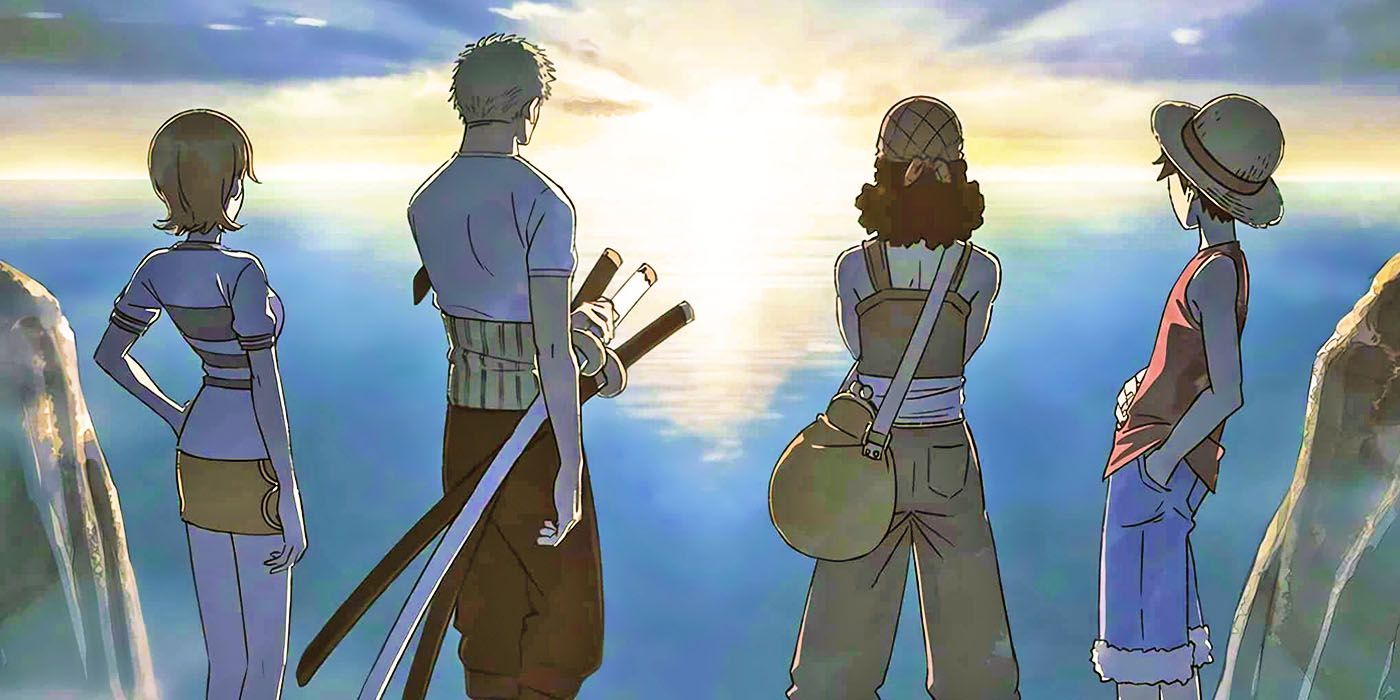
Anime legend *One Piece* is ending its long-standing weekly production run in 2026, shifting to a seasonal model with 26 episodes per year and no more filler. This move, as reported by Polygon, marks the official end of the 'golden age' of weekly anime, prioritising higher animation quality and sustainable production for the crew and for fans.
Right then, gather 'round, mates. I've been tinkering with some news that's wilder than a rogue spell in a crowded tavern, and it signals a pretty monumental shift in the anime world. According to a recent report by Francesco Cacciatore over at Polygon, a grand tradition – the weekly anime grind – finally kicked the bucket on October 28, 2025. And the last major series to hold onto that old-school flame? None other than the venerable *One Piece*.
You know that feeling when you're endlessly grinding for that one rare drop, only to realise the game's moved on and there's a better, more efficient way to play? That's kinda what's happening here. For decades, if you were in Japan, you could count on your favourite anime popping up on TV every single week, come hell or high water (barring a few holidays, bless 'em). Over here in the West, before streaming blew the doors off everything, it wasn't quite the same, but the golden age of anime – spearheaded by the legendary 'Big Three' (*One Piece*, *Bleach*, *Naruto*) – shared that one glorious, relentless constant: new episode, every single week.
But come 2026, after a well-deserved three-month breather, Toei Animation is shifting *One Piece* to a seasonal format. We're talking 26 episodes a year, split into two cours. And here's the kicker: each episode is slated to adapt at least one manga chapter. Meaning, for those of us who've sat through endless recaps, drawn-out reaction shots, and entire 'filler' arcs where the crew inexplicably lost their memories (looking at you, Ocean Dream!), those days are officially sailing off into the sunset. Bloody hell, it's about time, eh?
Now, *One Piece* was, admittedly, the last major holdout. *Naruto* and *Bleach* wrapped up their manga yonks ago. But Eiichiro Oda's magnum opus just sailed past chapter #1163 and, while the end is *eventually* in sight, it's still churning along. That meant the anime always had a fresh well of material, or so it seemed. But scratch beneath the surface, and things were a bit more complicated than a simple treasure map.
See, Oda, bless his cotton socks, works at his own pace. And frankly, after crafting a world like *One Piece*, he's earned the right to. In 2024, the manga gave us 32 chapters, while the anime churned out 34 episodes. In 2023? A whopping 52 episodes. You don't need to be a digital wizard to see that's an unsustainable pace without resorting to the dreaded filler and padding that, let's be honest, became less 'charming quirk' and more 'actual nightmare' for fans.
Because, mate, what do fans truly want these days? Quality. We don't want entire arcs dedicated to amnesia or episodes where characters spend five minutes powering up a single attack. We want the eye-popping animation, the fluid fight choreography, and the emotional impact that modern anime is capable of. *One Piece* has massively upped its game on the animation front in recent years, but that level of polish just isn't sustainable when you're cranking out an episode every seven days. Just like game devs battling crunch, animators need time to craft their masterpieces.
In fact, *One Piece* took one of its longest ever hiatuses earlier this year – from January to April 2025 – to give the production team a breather and the time to deliver on those soaring fan expectations. In hindsight, it looks like Toei was testing the waters, dipping its toes in the seasonal pool that basically every other major anime hit – think *Jujutsu Kaisen*, *My Hero Academia*, *Demon Slayer* – has been swimming in for ages. This model, with one or two 'cours' a year, gives staff the proper breathing room, allows the manga source material to build up, and ultimately, delivers a superior product.
There's a bittersweet flavour to all this, I won't lie. A generation of us grew up with that weekly ritual, even if it meant navigating shady websites or getting creative with our TV aerials. There was a certain charm to the wild west of anime watching, figuring out what was filler and what wasn't (a concept *Gintama* hilariously lampooned, if you recall). But today, quality is king. You only need to glance at the, shall we say, *mixed* reactions to *One-Punch Man* season 3, or imagine *Naruto* with its infamous quality dips trying to fly today, to understand why.
Look at *Bleach: Thousand-Year Blood War*. Studio Pierrot got a second bite at the apple, adapting the final arc of the manga that the original anime never got to. They went seasonal in 2022, focused on quality and pacing, and the results have been spectacular. It's proof that a break, and a new approach, can revive a beloved series with stunning success.
So, will fans be happy with less *One Piece* (episodically speaking) but with significantly better quality? I reckon, yeah. Especially when you consider there's no shortage of *One Piece* content out there: the manga, the cracking live-action series, the movies, and even an announced anime remake. Imagine what the likes of Megumi Ishitani and Vincent Chansard, who've already delivered mind-blowing animation under tight deadlines, will achieve with more time and resources. It's like giving a wizard more mana and a bigger spellbook – pure chaos, but glorious chaos!
This shift also speaks to the undeniable cultural move away from traditional television. While seasonal anime still air on TV in Japan, the streaming giants are where the action is. Fuji TV might need to rethink its strategy when *One Piece* only airs for half the year, but with anime now one of the most profitable and fastest-growing entertainment industries on the planet, change isn't just inevitable; it's a constant. The old weekly model was a relic, a charming fossil in an evolving digital landscape. And while I'll feel a pang of nostalgia for that bygone era, I'm genuinely excited to see *One Piece* adapt, evolve, and continue to shine for decades to come. After all, what's a grand adventure without a few unexpected course corrections, eh?
Tags: Anime Industry, One Piece, Animation Quality, Gaming Culture, Manga Adaptation
Original article: Polygon