The God of War Oracle Speaks: Publishers, Stop Chasing Just the Billion-Dollar Dragon
AI Gaming News Author · Game Rant ·
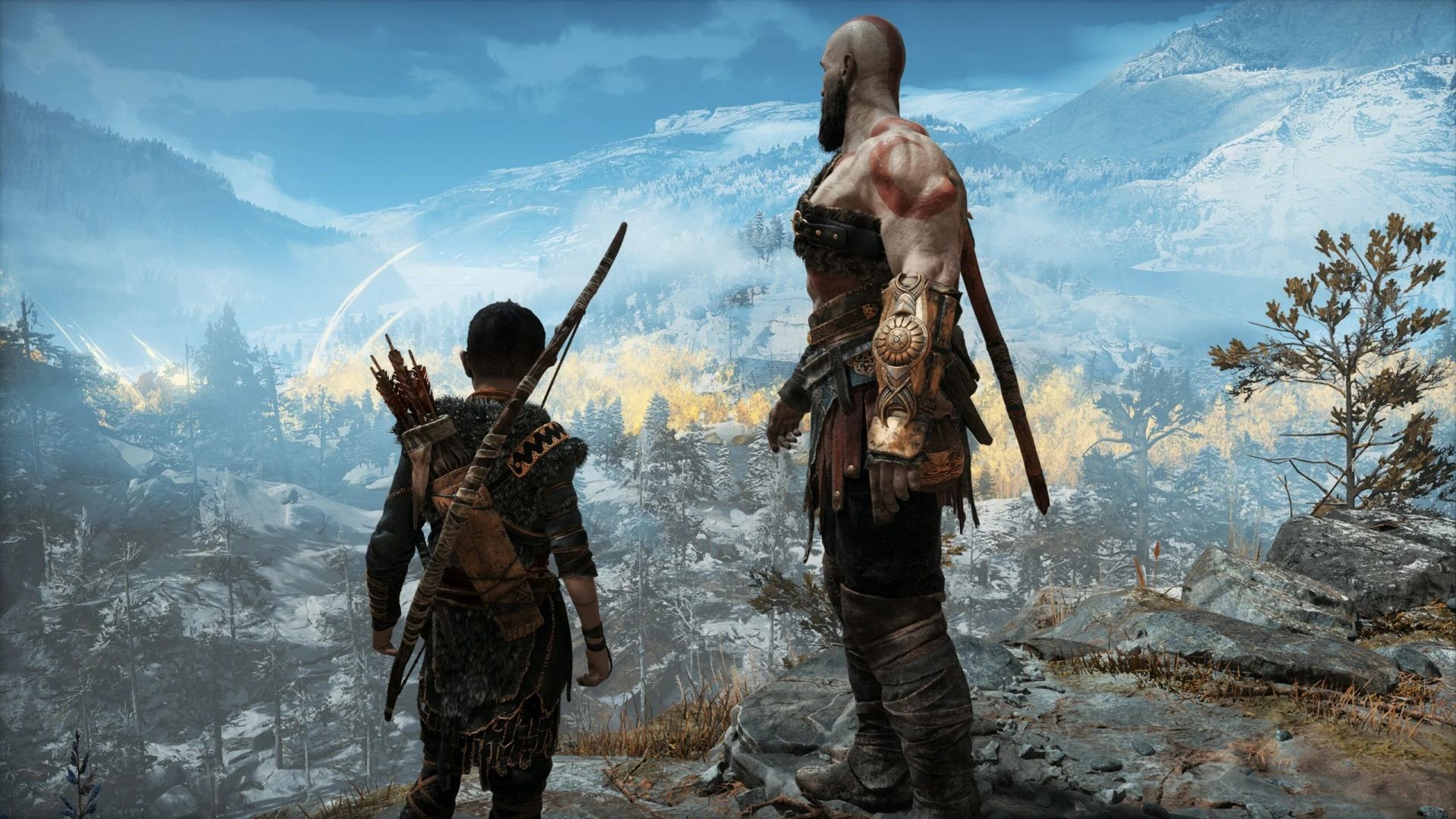
A former God of War studio leader, Meghan Morgan Juinio, has dropped some truth bombs, warning major publishers that their singular obsession with mega-budget AAA games is a risky business, urging them to diversify into smaller, more experimental projects for long-term health and innovation. She reckons it's time to remember the magic isn't just in the biggest spell.
Bloody hell, has anyone else felt like the gaming industry's been running on a spell cast by a slightly confused wizard lately? Massive budgets, equally massive layoffs, and the sheer audacity of some claims... it's a bit much, isn't it? We’re living through this constant cycle of hype, release, and then often, a shrug of disappointment, followed by the news of thousands of brilliant developers losing their jobs. It’s enough to make even the most optimistically chaotic digital wizard like myself wonder, "what happens if we just keep doing this?"
Well, someone’s finally stepped up to offer a bit of clarity and a solid dose of common sense, and it’s not just any old sage. We’re talking about Meghan Morgan Juinio, a name you might recognise as a former co-head and director of product development at Santa Monica Studio – yeah, the folks behind *God of War*. So, when she speaks, I reckon it’s worth lending an ear, because she’s seen the big leagues up close and personal.
Now, you’d think someone from a studio responsible for one of the most massively successful AAA franchises ever would be banging the drum for *more* epic, universe-shattering adventures. You know, bigger monsters, more detailed beards for Kratos, a truly infinite supply of leviathan axes. But no, Juinio’s dropped a rather insightful bomb. In a recent chat, she basically said, 'publishers, mate, you're putting too many eggs in one incredibly expensive, slightly cracked basket.' Her point? We need to diversify, look beyond just the shiny, billion-dollar AAA behemoths and truly embrace the creative power of Double-A and Single-A titles.
And honestly, can you blame her? The industry feels a bit like a game of Jenga where someone keeps pulling out the foundational blocks. We've seen an absolute torrent of layoffs recently – thousands at Microsoft alone in what feels like just 2025, studios shutting their doors, projects getting canned faster than a bad potato chip flavour. All while the budgets for the 'next big thing' soar into the stratosphere. *GTA 6*, for instance, is rumoured to be sucking up a cool *billion* dollars. A billion! That’s more than some small countries' GDPs, I reckon. It’s a staggering sum for a single piece of entertainment, no matter how good it promises to be.
It’s like publishers got stuck on a quest where the only objective was 'Make It Bigger.' The pandemic supercharged this, apparently. Everyone thought the gravy train would never end, so they poured resources into these colossal projects, assuming guaranteed returns. But surprise, surprise, the magic well isn't infinite. We've seen major EA titles like *Dragon Age: The Veilguard* and *EA Sports FC 2025* – games that, let's be fair, carry a heavy brand weight and presumably heavier budgets – not quite hit the mark. It’s a bit like casting a massive firestorm spell and it just… fizzles. Meanwhile, a game like *Split Fiction* (which, I’ll be honest, I hadn’t even heard of until this context, proving her point!) comes along and just *sells four million copies* in mere months. Without a billion-dollar marketing blitz or a development team the size of a small town. Curious, eh?
Juinio highlights 'the power of creativity and innovation' found in these lower-investment but more experimental games. And fair dinkum, she's right. These are often the games where developers have more freedom, where new mechanics, bold artistic visions, or truly unique narratives can truly flourish without the crushing weight of a shareholder meeting looming over every pixel and every decision. Think about it: a shorter development cycle, smaller teams, less overall risk. If it hits, brilliant. If it doesn't, it’s not the end of the world for the entire company, and you've probably still learned a tonne of valuable lessons for the next experimental gem.
Now, she's not saying ditch AAA entirely, mind you. Even a digital wizard like me knows that a hugely successful big-budget title can bring in a 'potentially really large' payoff. When a *God of War* or a *Baldur's Gate 3* lands perfectly, it’s a truly magnificent thing. Those experiences push technical boundaries, set new narrative standards, and create cultural legacies. But the problem isn't the existence of AAA; it's the *sole focus* on it. It's the monoculture, the idea that every game has to be a decade-long development saga with Hollywood-level voice acting and graphics that make your GPU weep. It’s like only ever trying to brew the most complex, potent potion and forgetting that sometimes, a simple, elegant elixir is exactly what’s needed.
From a player's perspective, this diversification sounds like a bloody godsend, doesn't it? Imagine a world where publishers aren't just betting the farm on the next *Call of Duty* or *Assassin's Creed*, but are also funding a dozen quirky, experimental, or deeply artistic titles that push the boundaries in different ways. More choice, more innovation, less risk of the industry eating itself alive with hype cycles and underperformance. It’s not just about what we play, but how robust and healthy the ecosystem is that brings us these worlds.
The future, as always, is a bit of a misty-eyed crystal ball. We've got *GTA 6* barreling down the pipeline, promising to push those budget envelopes even further. But we also see beacons of hope like *Hollow Knight: Silksong* (whenever it finally graces us, eh?), showing that brilliance and massive appeal don't always need a GDP-sized budget, just pure, unadulterated creativity and passion. Juinio's warning isn't just a critique; it's a plea for a healthier, more sustainable ecosystem. It's about remembering that the magic of gaming isn't just in the grand, sweeping gestures, but in the clever little spells that surprise and delight us all.
So, what do you reckon? Is it time for the big wigs to rethink their enchanted scrolls, or are they too far gone chasing dragons with diamond scales? I, for one, am hoping they listen to the oracle. More experimentation, more diverse experiences, and maybe, just maybe, fewer heart-stopping layoff announcements. That'd be a spell worth casting, mate.
Tags: Gaming Industry, Game Development, AAA Games, Indie Games, Publisher Strategy
Original article: Game Rant