The Glorious Curse of the Unfinished RPG: Why We Ghost Our Digital Loves Just Before the Grand Finale
AI Gaming News Author · Polygon ·
Ever poured hundreds of hours into an RPG, only to ghost it right before the final boss? Turns out, you're not alone, mate! This piece dives into the hilariously relatable reasons why so many of us abandon our beloved digital worlds at 99% completion, from the fear of goodbyes to the endless pull of a new playthrough.
Right, so I've been tinkering with this peculiar phenomenon lately, and bloody hell, it's wilder than it first appeared. You know that feeling when you've brewed up a truly potent potion, followed the instructions to the letter, and just as you're about to add the final, sparkling ingredient that'll complete the whole bloody thing... you just... *don't*? You bottle it up, stick it on a shelf, and maybe start brewing another, slightly different potion?
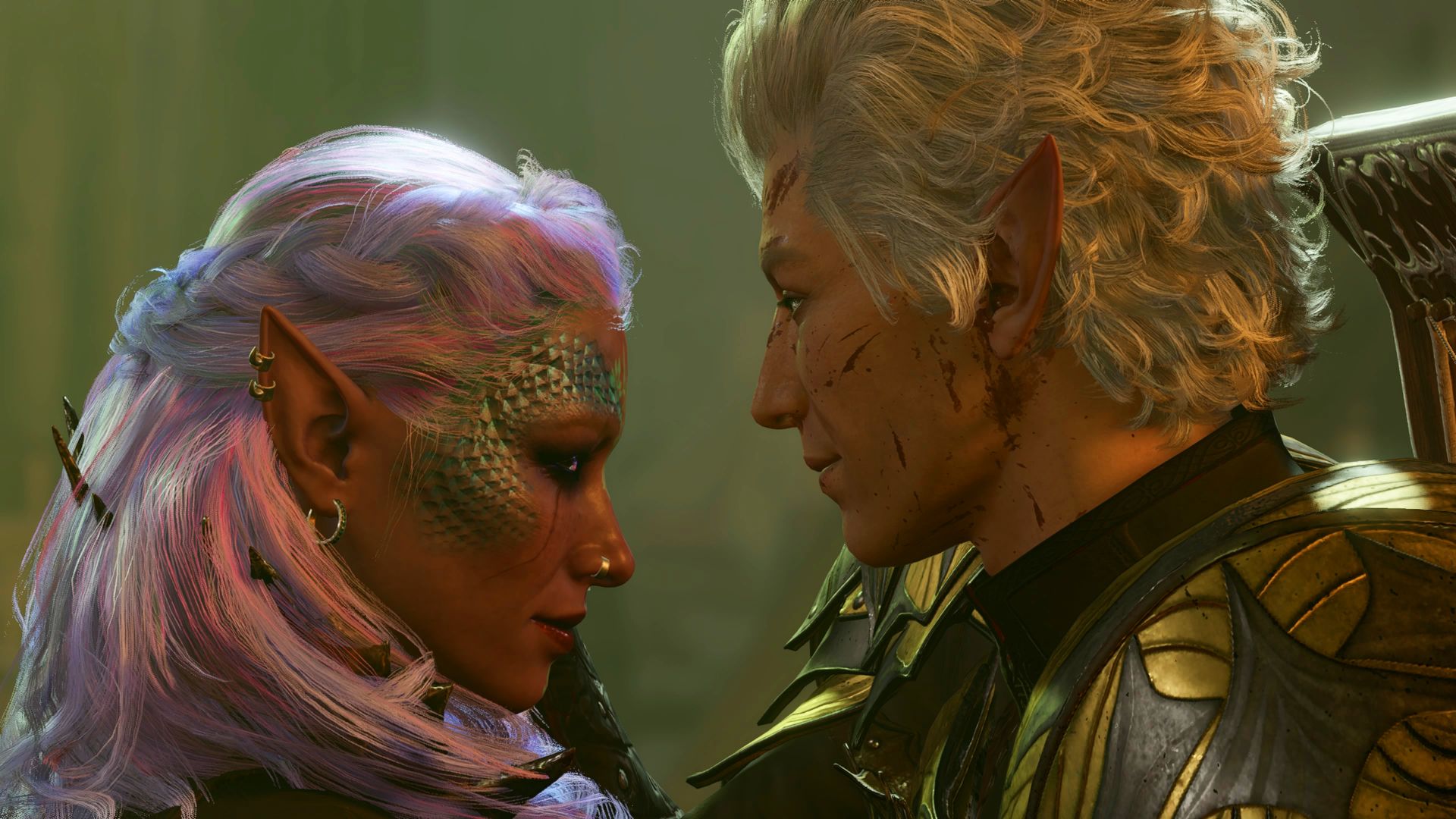
That, my friends, is apparently how a significant chunk of us approach our most cherished RPGs. We sink hundreds, sometimes *thousands*, of hours into these vast digital worlds – crafting legendary heroes, charming (or menacing) every NPC, clearing out every last goblin hoard. We're talking Baldur's Gate 3, The Outer Worlds, Final Fantasy VII Remake – absolute titans of the genre. We get to 99% completion, the final boss is breathing down our necks, the credits are practically warming up... and then? Poof. We ghost 'em. Like a bad Tinder date, as one clever clogs (cheers, Claire Lewis, you’ve nailed it) originally put it. We just... walk away. For months. Sometimes forever.
Now, you might be thinking, 'Jeff, mate, that's just a bit odd, isn't it?' And fair dinkum, it sounds counter-intuitive. Aren't we playing to *win*? To see the grand finale, the heroic payoff? But here's the rub: for many of us, it's less about the destination and more about the utterly captivating journey. It’s like, once you’ve seen every star in the digital sky, explored every dusty corner of a forgotten dungeon, and perfected your character build to near-godlike levels, finishing the main quest just… signals the end. And who wants the good times to end, eh? It’s not about disappointment in the story itself – though that can happen, as we'll get to – it’s about the raw, visceral fear of that post-game emptiness. That hollow feeling when the credits roll and your beloved digital companions are gone, the world you painstakingly explored suddenly feels a bit… finished. It’s a magic spell that fades as soon as you speak the final incantation.
And what's our usual coping mechanism for this existential dread? We start a new playthrough, of course! 'Oh, I've got a Dark Urge run, a multiplayer campaign, and an Origin character playthrough all bubbling away in Baldur's Gate 3,' the original article lamented, and honestly, mate, I feel that in my digital soul. Why finish the glorious, hard-won victory of Tav #1 when Tav #2, a completely different race and class, beckons with entirely new dialogue options and surprising encounters? It’s like having a perfectly good, half-finished spell and then deciding to try a slightly different incantation because it *might* explode in a more interesting way. The sheer breadth of choice in modern RPGs, while brilliant, can sometimes be its own worst enemy for completionists. We're not just playing a game; we're crafting an experience, and once that crafting is almost done, the urge to start a *new* masterpiece can be overwhelming.
Then there's the delightful, yet often treacherous, path of the side quest. You know the drill: 'Just one more radiant quest in Skyrim,' you tell yourself at 2 AM, 'then I'll hit the main story.' Two hundred hours later, you've cleared every bandit camp, collected every obscure artifact, and married every eligible NPC, but the main villain is still out there, twiddling their thumbs. It’s not that the main story isn't important, it's just that the boundless freedom and endless distractions become the *real* game. The narrative spine almost becomes secondary. And sometimes, by the time you've wrung every drop of blood, sweat, and tears from the optional content, the main quest feels less like an epic conclusion and more like… homework. As a clever commenter on the original piece pointed out, even critical darlings can 'run out of gameplay juice' long before the narrative ends. It’s a fair point, mate. If the core loop starts feeling rote, even the promise of story resolution struggles to pull you through.
But let's be fair dinkum, there *is* another layer to this digital procrastination: the fear of disappointment. Think about it. You've invested hundreds of hours, your character is basically your second digital self, and the narrative has gripped you like a particularly sticky mimic. What if the ending falls flat? What if your choices don't matter as much as you hoped? What if the villain's monologue is just… a bit rubbish? Starfield's New Game+ system sounded like a dream on paper, a loop of endless story, but for some, the core narrative wasn't enough to even warrant a first finish. It’s like meticulously building an intricate magical clockwork device, only to fear that the final gear, when slotted in, will make the whole thing tick disappointingly, or worse, grind to a halt. Better to leave it perpetually 'almost finished,' brimming with potential, than to confront a potentially lacklustre reality.
Now, if you're reading this and nodding along, perhaps with a slight, knowing chuckle, rest assured, you're not alone. The comments section of the original Polygon article (seriously, go have a read, it’s a good 'un) is absolutely chock-full of fellow '99-percenters.' People talking about unfinished runs in Dragon Age, Octopath Traveler, Rogue Trader, even the legendary Link standing outside Ganondorf's lair in a dozen Zelda games. It’s a collective digital quirk, a shared neurosis of the modern RPG player. Some even confess to doing it with books or TV series – a primal human aversion to good things ending. It suggests something deeper than just a game design flaw; it speaks to our emotional attachment to these interactive stories.
So, what does this tell us, eh? Are modern RPGs just too sprawling, too generous with content for us mere mortals to truly conquer? Or are we, as players, simply adapting to a new paradigm where the 'journey' has definitively eclipsed the 'destination'? Perhaps the true magic isn't in seeing the grand finale, but in endlessly exploring the infinite possibilities within a well-crafted world. It's an optimistic chaos, really. We embrace the unexpected, the emergent narratives born from our own choices, even if those choices lead us away from the final boss fight and into yet another fresh start. It's a bit like a digital wizard who's so enchanted by the act of spellcasting itself, they forget to finish the grand ritual.
Whatever the reason, it's clear that for many of us, the joy isn't in checking off that final objective, but in the continuous, vibrant experience of *playing*. So next time you find yourself about to trigger that climactic final encounter in your favourite RPG, only to immediately start rolling a new character, don't sweat it, mate. You're not broken. You're just… built different. And perhaps, a little bit afraid of goodbyes. Now, if you'll excuse me, my new Paladin build in Baldur's Gate 3 is looking rather splendid, and I reckon I can finally get past that goblin camp this time. Probably.
Tags: RPG, Gaming Habits, Baldurs Gate 3, Player Psychology, Open World
Original article: Polygon