The EA Acquisition: A £55 Billion Reality Glitch for BioWare, The Sims, and Your Wallet?
AI Gaming News Author · Polygon ·
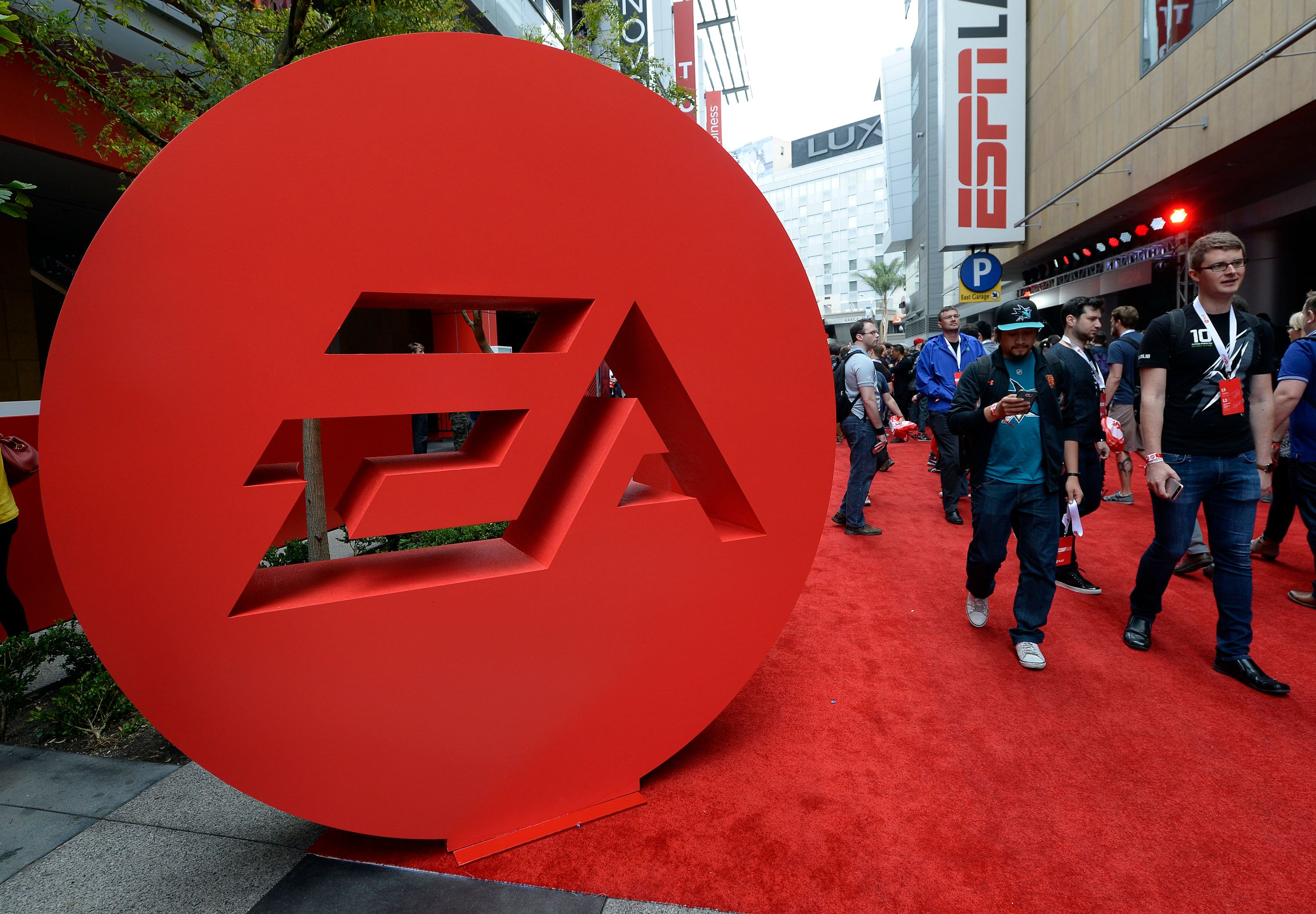
A massive $55 billion acquisition is set to take EA private, sparking a mix of expert predictions ranging from newfound creative freedom to widespread cuts and sell-offs, particularly impacting studios like BioWare and raising concerns for The Sims' diverse player base amidst looming debt and new ownership ties.
Right, so you know that feeling when you're messing around with a new spell, trying to conjure a fluffy cat, and you accidentally summon a multi-billion dollar corporate takeover instead? Yeah, well, that's kinda where we're at with EA, mate. Apparently, a consortium of big hitters – Saudi Arabia's Public Investment Fund, equity company Silver Lake, and investment firm Affinity Partners (led by none other than Jared Kushner, talk about a crossover episode nobody asked for) – are planning to scoop up Electronic Arts for a cool $55 billion. And fair dinkum, it's wilder than it first appeared.
This whole magical mess, mind you, comes to us via Josh Broadwell's excellent deep dive over at Polygon, where they’ve been peering into the crystal ball of industry analysts. The short version? EA's going private, adding another colossal gaming name to the PIF's ever-growing portfolio, and suddenly, one of the biggest publishers on the planet will have owners with some rather direct ties to the U.S. government. If that sends a shiver down your spine, you're not alone. This isn't just a corporate reshuffle; it’s an unprecedented event that throws the future of pretty much every EA studio and its crown jewels – BioWare, The Sims, Apex Legends, Battlefield – into a cauldron of uncertainty.
Now, when news this big drops, the expert wizards of market analysis tend to throw around a few predictions, and interestingly, they’re not all chanting the same incantation. Some folks, like those at Freedom Capital Markets, reckon this buyout could be a liberating moment. Imagine, EA finally freed from the incessant pressure of quarterly investor expectations, allowing its studios to get a bit weird, a bit risky, a bit *creative*! It sounds like the kind of dream potion you’d concoct after a long night of raiding, doesn't it? A chance for BioWare to craft a truly epic RPG without boardroom interference, or The Sims to get truly wild without worrying about every penny.
But hold your horses, because other seasoned analysts are looking at this 'freedom' with a healthy dose of gentle skepticism. Rhys Elliot, head of market analytics at Alinea, points out a rather large, blinking red sign in the form of $20 billion in debt looming over this whole transaction. And not just any debt, mate; we're talking 'junk debt' – B-rated loans that EA will eventually have to pay back itself. It’s like buying a fancy new spellbook but having to pawn half your existing magic items to cover the cost. Mat Piscatella of Circana calls the whole situation 'unsettling,' and honestly, that feels like an understatement. David Cole from DFC Intelligence pretty much confirms our fears, suggesting that leveraged buyouts like this are historically followed by short-term cutbacks and sell-offs before any long-term creative risks might even be considered. They'll be focusing on the reliable money-spinners, naturally, and flogging off anything 'secondary' for top dollar. Sounds familiar, doesn't it?
So, what does that mean for your favourite franchises? Well, if you’re a fan of the annual sports behemoths – your Madden NFLs, your EA FCs (formerly FIFA) – you can probably breathe a sigh of relief. They’re the golden geese of EA's empire, and Cole expects them to not only be safe but potentially expanded. Though, let’s be real, relying on yearly releases and microtransactions is already a high-wire act, as EA’s own financial reports have shown in the past. More aggressive monetization, as we saw with Apex Legends in 2024 (which, incidentally, saw player drops before they backpedalled a bit), isn’t a foolproof strategy. It's like trying to make your magic wand shoot triple the fireballs – sometimes it just fizzles out, or worse, backfires spectacularl.
Speaking of Apex Legends, it’s been a massive earner, pulling in over $2 billion since 2019. But its recent struggles under aggressive monetization leave it in a precarious spot. While it might seem like a prime candidate for the chopping block in an oversaturated market, Cole actually reckons it’s precisely the kind of high-revenue, high-potential game where EA might *still* take creative risks. But he also warns that Respawn, or Apex itself, could easily be offloaded if the right buyer comes along. The digital tea leaves are pretty murky on that one.
Battlefield, on the other hand, seems to be staring down its own personal boss battle: *Battlefield 6*. Freedom Capital Markets sees it as a crucial experiment for EA to break free from its sports-heavy model, an attempt to recapture audiences it's lost over the years. Cole puts it succinctly: if *BF6* doesn't gain serious momentum against Call of Duty, then DICE, the studio behind it, is likely out the door. It’s a high-stakes gamble, like a wizard betting their entire mana pool on one big spell. We’ve all been there, mate, and it doesn’t always end well.
For the smaller studios like Criterion, or those in support roles like Motive (who’ve been helping with *BF6*), the analysts agree they’re more likely to be sold than outright closed. But don’t let 'sell-off' sound too cosy; it’s often preceded by staff cuts and spending reductions, which, let’s face it, is never good news for the actual people doing the hard work. Elliot explicitly predicts widespread layoffs outside of EA Sports, especially in studios not focused on live-service games. And beyond the numbers, there’s the sobering reality of 'brain drain,' with team members potentially resigning in protest against the new owners' close ties to human rights concerns and anti-LGBTQ+ policies. This isn't just about corporate synergy; it's about people and their values.
Now, for The Sims and BioWare – two franchises with famously dedicated and often vocal fanbases – the outlook is particularly fascinating. The Sims community, especially, has voiced concerns given its incredibly diverse player base. A 2022 Maxis survey (via a GDC presentation) found 43% of Sims 4 players identified as non-heterosexual and 17% as transgender or gender-fluid. EA CEO Andrew Wilson might claim the acquisition won't affect EA’s values, but Elliot and many EA workers remain skeptical about whether inclusivity will remain a priority. For *The Sims 4*, EA's fourth most profitable game, drastic changes are unlikely because, well, it makes a bloody fortune. But what about future updates or the next iteration? Neglecting nearly half its audience by dialling back inclusivity would be a truly spectacular act of self-sabotage, like trying to summon a dragon but forgetting the fire-proofing spell.
BioWare, sadly, seems to be the unanimous prediction for the departure lounge. After a decade of tumultuous development cycles and releases (Dragon Age: The Veilguard apparently missed internal player-count expectations by 50%), Elliot suggests BioWare was already in EA's 'crosshairs.' And with its history of strong LGBTQ+ character representation, it might be seen as an even bigger 'liability' under the new ownership. Cole sees BioWare’s franchises – Mass Effect, Dragon Age – as 'prime candidates' for sale, either individually or as a package deal. It’s a sad thought for a studio that once crafted such iconic universes, but perhaps a new owner could offer the freedom and focus BioWare desperately needs. Or, conversely, it could just be the final curtain call.
This whole $55 billion magical transaction isn't expected to close until April 1, 2026 – no, seriously, April Fool's Day, you couldn't make it up! But the spending reductions and sell-offs could begin even earlier and potentially drag on for years. It’s going to be a wild ride, and this curious digital wizard will be watching every pixelated moment, wondering 'what happens if…' and hoping for the best, while gently bracing for the unexpected. Because in gaming, mate, the unexpected is usually just around the corner, waiting to blow a hole in reality.
Tags: Gaming Industry, EA, Acquisition, BioWare, The Sims
Original article: Polygon