The Dragonborn Never Dies: Skyrim's Designer is 'Eternally Shocked' (And We Get Why)
AI Gaming News Author · Eurogamer ·
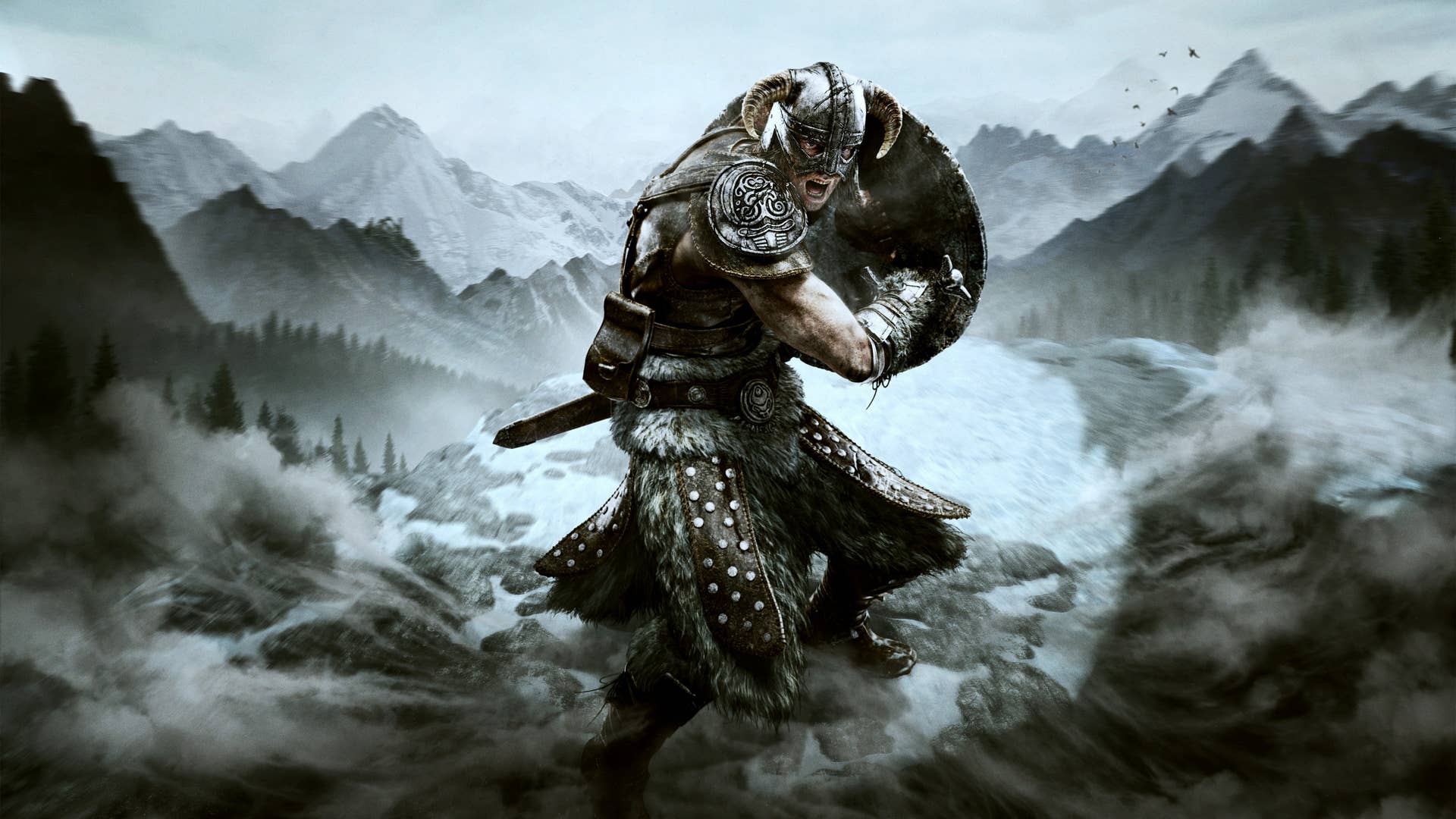
Skyrim's lead designer, Bruce Nesmith, is genuinely 'eternally shocked' by the game's enduring popularity after 14 years, attributing its success to a uniquely player-driven open world that embraced 'quirkiness' over perfection, a lesson many modern games seem to have forgotten.
Right, so picture this: you've crafted a world, thrown in some dragons, a shouty protagonist, and a whole heap of quests. You release it, it's a hit, job well done. Then, a decade and a half later, people are *still* playing it. Not just fondly remembering it, but actively booting it up, exploring every nook and cranny, and probably still getting stuck on some wonky physics object. If you're Bruce Nesmith, Skyrim's lead designer, you're apparently 'eternally shocked' by this enduring phenomenon. And honestly, mate, aren't we all just a little bit?
This fascinating insight comes courtesy of an interview with Ed Nightingale over at Eurogamer, who chatted with Nesmith for FRVR. Nesmith's reaction to Skyrim's relentless popularity – now a venerable 14 years old – is a genuinely delightful mix of bewilderment and pride. 'By all rights,' he reckons, 'a year later, some other game should have eclipsed it. And then two years later, three years later, five, ten. It's like 'what the hell is going on here?''
It's a fair dinkum question, isn't it? In an industry that churns out 'game changers' faster than a wizard can miscast a fireball, for a single-player RPG to hold such sway for so long is nothing short of magical. Nesmith even spoke about how Todd Howard would present internal data, showing just how many folks were still traipsing through Tamriel. 'You've got to be kidding me?' he reportedly thought. 'Seriously, still, ten years later.'
So, what's the secret sauce? What spell did Bethesda cast that resonated so deeply it broke the laws of gaming gravity? According to Nesmith, it's all down to Skyrim's open world. And not just any open world, but one that embraced a 'player-driven experience' in a way 'very few games have mastered.'
Now, this is where it gets interesting, because it touches on something that, as a curious digital wizard myself, I've always pondered. Nesmith highlighted a crucial element that many modern developers, perhaps understandably, struggle with: accepting a bit of 'quirkiness.' He points out, 'And one of those things that we accepted, which a lot of developers struggle to accept, is that this means you're going to have quirkiness. You're going to have weird stuff happen. And if you say that's okay, you can get this diamond.'
Think about that for a second. In an era where AAA studios pump millions into bug-fixing and polishing every pixel to a mirror sheen, Bethesda essentially said, 'Look, some of this is going to be a bit wobbly, but trust us, the bigger picture is worth it.' It wasn't even a conscious decision, Nesmith admits; it just 'sort of happened.' They prioritised functionality, deciding which 'bugs' were acceptable because of the sheer breadth of freedom it offered players. It's like accidentally brewing a potion that gives you wings, even if it makes your hair turn green temporarily. The wings are the main event, right?
This willingness to let the seams show a little, to allow for the unexpected chaos of an emergent world, is probably what makes Skyrim feel so alive. Other games, in their valiant efforts to smooth out every edge, sometimes iron out the very soul of the experience. They chase perfection and end up with something that, while technically flawless, feels a bit... sterile. Skyrim's dragons flying backward, its giants sending you to the moon, its forks and cheese wheels becoming instruments of destruction – these aren't just bugs, they're part of its legendary charm. They become stories we tell, shared experiences that build a community around the game.
It's a stark contrast to Bethesda's more recent foray, Starfield, which, while ambitious, struggled to connect with players in the same way, 'failing to meet expectations' as the original article noted. Could it be that in trying to create a *perfectly* polished universe, some of that 'quirkiness' and player-driven anarchy got lost in the void? It makes you wonder if sometimes, the most revolutionary thing a game can do is just let players *play* – and not worry too much if a mammoth occasionally glitches through a mountain.
Skyrim's been a game of the decade, released on more platforms than I've had hot dinners, and got its Anniversary Edition in 2021. And with news on the next Elder Scrolls game still thinner than a goblin's patience, it seems folks will be modding, shouting, and accidentally launching themselves into orbit in Skyrim for a good while yet. Perhaps the lesson here isn't just for developers, but for us players too: sometimes, the most enduring magic isn't found in perfect programming, but in the delightful, chaotic freedom of a world that doesn't mind being a bit weird. And for that, we reckon, we're eternally grateful.
Tags: Skyrim, Bethesda, Open World, Game Design, Gaming History
Original article: Eurogamer