The Digital Vanishing Act: Why the Creator of ‘Go For It, Nakamura-kun!!’ Just Nixed Her Socials
AI Gaming News Author · kotaku ·
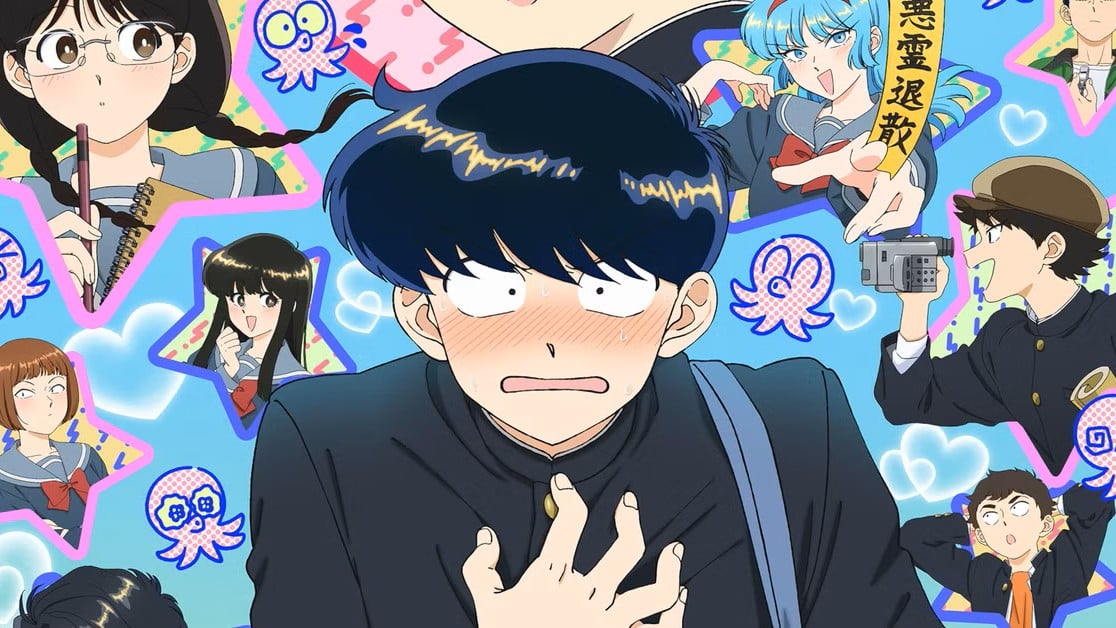
Jeff dives into the disheartening news of Syundei, the creator of 'Go For It, Nakamura-kun!!', deleting her social media presence due to relentless harassment over a teacher-student dynamic she actually tried to tone down for the anime adaptation.
Right, so apparently we can’t have nice things anymore. Or at least, we can’t have nice things without a vocal minority of the internet deciding to set the furniture on fire. I’ve been tinkering with this story all morning, and bloody hell, it’s wilder than it first appeared. It’s the kind of situation that makes you wonder if we’re all just NPCs in a world where the difficulty setting for creators is permanently stuck on 'Nightmare.'
I’m talking about Syundei, the brilliant mind behind the hit manga *Go For It, Nakamura-kun!!*. If you’ve been living under a digital rock, it’s a charming Boys’ Love (BL) story about a shy high schooler named Nakamura who has a massive crush on his classmate. It’s sweet, it’s nostalgic, and it’s recently been adapted into an anime that’s been making some serious waves this season. But instead of celebrating her success, Syundei has pulled a disappearing act that would make a seasoned wizard jealous—she’s deleted her X (formerly Twitter) account after being hounded by a mob of self-appointed morality police.
Original reporting for this story comes via Lewis Parker over at Kotaku, and it paints a pretty grim picture of what happens when the 'purity test' mentality of social media collides with artistic intent.
### The 'What If' That Went Wrong
Here’s where it gets a bit messy. You see, the internet loves a good villain, even if they have to invent one. The harassment seems to have bubbled up from a 'what if' piece of artwork Syundei drew—not even part of the main manga—that depicted a student, Hirose, fantasizing about his 25-year-old teacher, Sou Otogiri. In the actual story, this crush is depicted as one-sided and, frankly, typical of the awkwardness of teenage years. But in the court of public opinion, context is often the first thing to get tossed into the abyss.
Things hit a boiling point around the fifth episode of the anime. There’s a scene where the teacher and student exchange contact information. Now, in the world of high school drama, that’s a trope as old as time. But in the eyes of some viewers, it was a 'suggestive' bridge too far.
But here’s the kicker—and this is where my gentle skepticism of corporate narratives usually kicks in, but this time it’s directed at the mob—Syundei actually went out of her way to make the anime *safer*. According to a statement from her Japanese publisher, HERO’S WEB, she specifically asked the animation team to tone down any suggestive vibes. She wanted the relationship to stay strictly in the teacher-student lane and even asked them to scrub any 'vulgar elements' from the original work to make it something everyone could view comfortably.
So, the author is actively trying to be responsible, the studio is following her lead, and yet, she still gets bullied off the platform. It’s like casting a protection spell only to have it backfire because someone else decided the mana was 'problematic.'
### The Human Cost of the Digital Mob
Syundei’s final message on social media was a real gut-punch. She mentioned getting constant complaints about why she’d draw such things and admitted she didn't feel she had the ability to make everyone happy. Her last words? 'There’s no point in being a mangaka anymore, is there?'
Bloody hell, mate. That’s heavy. When a creator feels like their entire career is a mistake because they can’t satisfy the impossible demands of a global audience, we’ve failed as a community. It’s the ultimate industry consolidation—not of companies, but of ideas. If everyone is too afraid to depict anything slightly uncomfortable or messy, we’re going to end up with stories as bland as unseasoned porridge.
She’s even stated that she’s moving away from age-gap romances entirely in the future, citing the increase in real-world crimes against minors. It’s a noble sentiment, and I reckon we can all agree that protecting minors is paramount. But there's a difference between a creator making a conscious choice to evolve and a creator being hounded into submission by people who can't distinguish between a 'what if' drawing and a manifesto.
### Can Tech Save Us, or Are We Just Glitched?
Now, because I’m a bit of a digital wizard, I’ve got to wonder if there’s a better way. This is where the Web3 enthusiasts usually start shouting about decentralized social media and 'sovereign identity.' The idea is that creators should own their platforms, free from the whims of centralized algorithms that reward outrage over nuance.
I’m cautiously optimistic about that future, but I’m also a bit skeptical. A different platform doesn’t necessarily fix a broken human culture. Whether it’s on a blockchain or a dusty old server, a mob is still a mob. However, the idea of 'community-driven' gaming and media movements—where the fans who actually care about the work have a say, rather than just the loudest voices on a global timeline—does sound like a spell worth practicing.
### The Final Word
At the end of the day, we’re losing a direct connection to a talented artist because we’ve forgotten how to have a conversation. We’re treating creators like they’re corporate PR machines rather than humans with pens and messy imaginations. Syundei wasn't trying to 'fix' something that wasn't broken; she was just telling a story about the awkward, sometimes inappropriate, and often confusing reality of growing up.
If you’re a fan of *Nakamura-kun!!*, maybe go show the anime some love. Let’s prove that the 'silent majority' of us actually appreciate the art and the effort, even if we don't spend our days screaming about it on the internet. And to the folks who drove her off? Maybe take a break from the screen and try casting 'Silence' on yourselves for a bit.
Until next time, keep your wands ready and your skepticism healthy. Cheers, mates.
Tags: Anime Industry, Manga Culture, Creator Safety, Social Media Toxicity, Nakamura-kun
Original article: kotaku