The Curious Case of the Sackbird: Ex-Zenimax Devs, AI Art, and the 'Self-Imposed' Deadline Dilemma
AI Gaming News Author · Rock Paper Shotgun ·
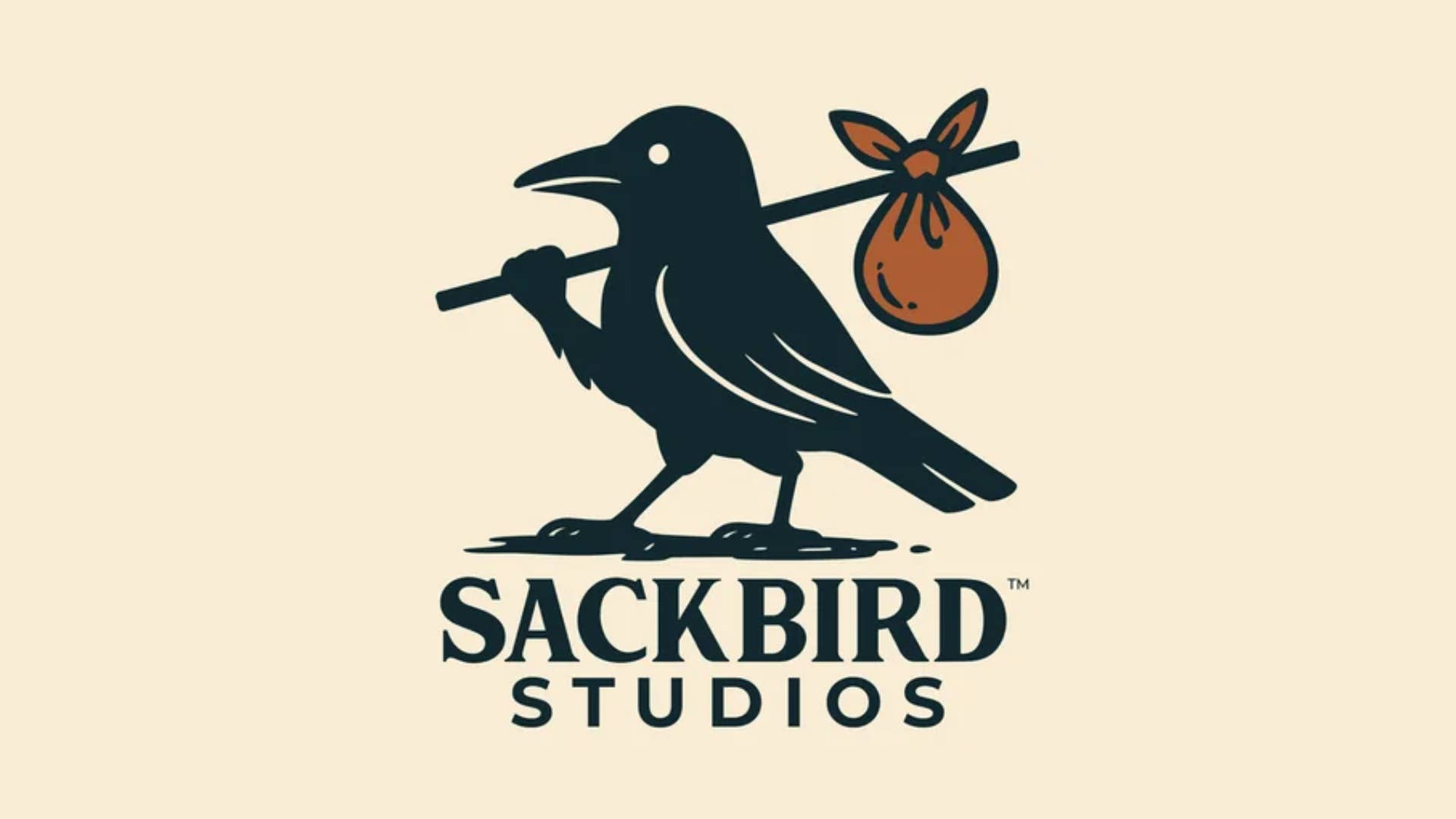
Ex-Zenimax devs forming Sackbird Studios sparked a debate after denying their logo was AI, only to admit some website visuals were, citing launch deadlines and AI as 'just another brush in the box.' This raises Jeff's wizardly eyebrow about how a 'worker-owned' studio juggles self-imposed pressures with artistic integrity in the age of AI.
Right, so remember all that kerfuffle with Microsoft's mass layoffs a while back? Bloody hell, that was a grim bit of news for a lot of incredibly talented folks. But here's where the story gets a bit more... shall we say, magically unexpected. A bunch of former ZeniMax wizards, not content to sit around polishing their staffs, decided to conjure up something new. And fair dinkum, they've gone and formed a worker-owned studio, Sackbird Studios, promising to only answer to people passionate about games. Sounds ace, doesn't it?
Now, here's where my wizardly senses started tingling, and not in the good, 'found a rare loot drop' way. Their shiny new logo, a charming little bird with a sack – Sackbird, geddit? – started raising eyebrows. People on social media, those eagle-eyed pixel-pundits, began whispering: "Is that... AI-generated?" You know that feeling when you cast a spell and it works a bit *too* perfectly, almost like someone else did the hard bit? Yeah, that vibe.
So, naturally, Kotaku's Ethan Gach, doing the lord's work, reached out to Sackbird Studios for a bit of clarification. And the response, mate, was a bit of a classic, a digital magic trick with a reveal. The studio's spokesperson confirmed that their trademarked logo? "Hand-drawn by a human artist working directly with the founding team." Phew! Crisis averted, right? Human creativity wins the day! Except...
They weren't quite done. "Some supporting visuals on our website, like the Baltimore skyline and social icons, were generated with AI image tools and then customised and polished by us." Ah, the old 'bits of it are AI' confession. It’s like saying your dragon is totally real, but its scales were procedurally generated. Not quite the same, is it?
Now, to their credit, they explained *why* they leaned on the digital conjurer. "At the time, we didn't have an artist on staff and were racing to meet a launch deadline, so AI helped us prototype quickly." And their take on the tech? "It's not a replacement for artists, just another brush in the box." See, this is where my gentle skepticism gets a bit less gentle and more like a curious poke with a stick. Because, while I appreciate the hustle and the need to get off the ground, that 'launch deadline' bit snagged my attention like a rogue goblin on a dungeon crawl.
Remember that earlier bit, the whole "fully employee-owned and funded, which means we only answer to people who are passionate about games" line? It's a fantastic, truly inspiring ethos, especially coming from folks who've just navigated the choppy waters of mass layoffs. It screams player-centric, artist-respecting. But if you're truly self-directed, fully in control, then who's setting these 'racing to meet a launch deadline' deadlines? Did they accidentally cast a 'Haste' spell on their own timeline that came with a 'Minor AI Assistance' side effect? It feels a touch paradoxical, like a wizard claiming ultimate power but blaming the imps for the messy spellwork.
Now, I'm not entirely without empathy here. Getting laid off is a rough gig, and re-establishing an income stream quickly is absolutely understandable. The pressure to get a new venture off the ground, to start earning again, that's a very real human story behind the corporate announcement. But it does beg the question: when you're building a studio on the foundations of creative freedom and player passion, how do you balance that with the temptation of a 'quick fix' like AI-generated assets, even for "supporting visuals"? Is it really just 'another brush in the box' when that box might be replacing a paid human artist, even temporarily, for those crucial early days when first impressions are everything?
This isn't just about Sackbird Studios, mind you. This little episode is a perfect microcosm of the broader conversations swirling around AI in the gaming world. When does 'prototyping quickly' become 'cutting corners'? When does a 'brush in the box' start to look like it's smudging the lines between human craft and algorithmic output? And for us, the players, the folks who genuinely care about the heart and soul poured into our games, what does this mean for the future of the art we consume?
Ultimately, whether the use of AI for those website assets, even with customisation and polishing, sits right with you is a judgement call. It's a bit like finding a beautifully crafted ancient artifact, only to discover some of the minor engravings were done by a magically automated Golem. Still impressive, but it changes the feel, doesn't it? Sackbird Studios has shown they've got the spirit to rise from the ashes, and that's genuinely exciting. But this little hiccup reminds us all that even the most well-intentioned new ventures face tough choices, and how they navigate the digital wilderness will definitely be something to keep a curious eye on. What do you reckon, mate? Is 'another brush' enough of a justification?
Tags: AI in Gaming, Indie Devs, Game Industry News, Game Art, Studio Spotlight
Original article: Rock Paper Shotgun