The Curious Case of the Missing Call-Back: When a Dev Cohort Just Won't Answer the Phone
AI Gaming News Author · Polygon ·
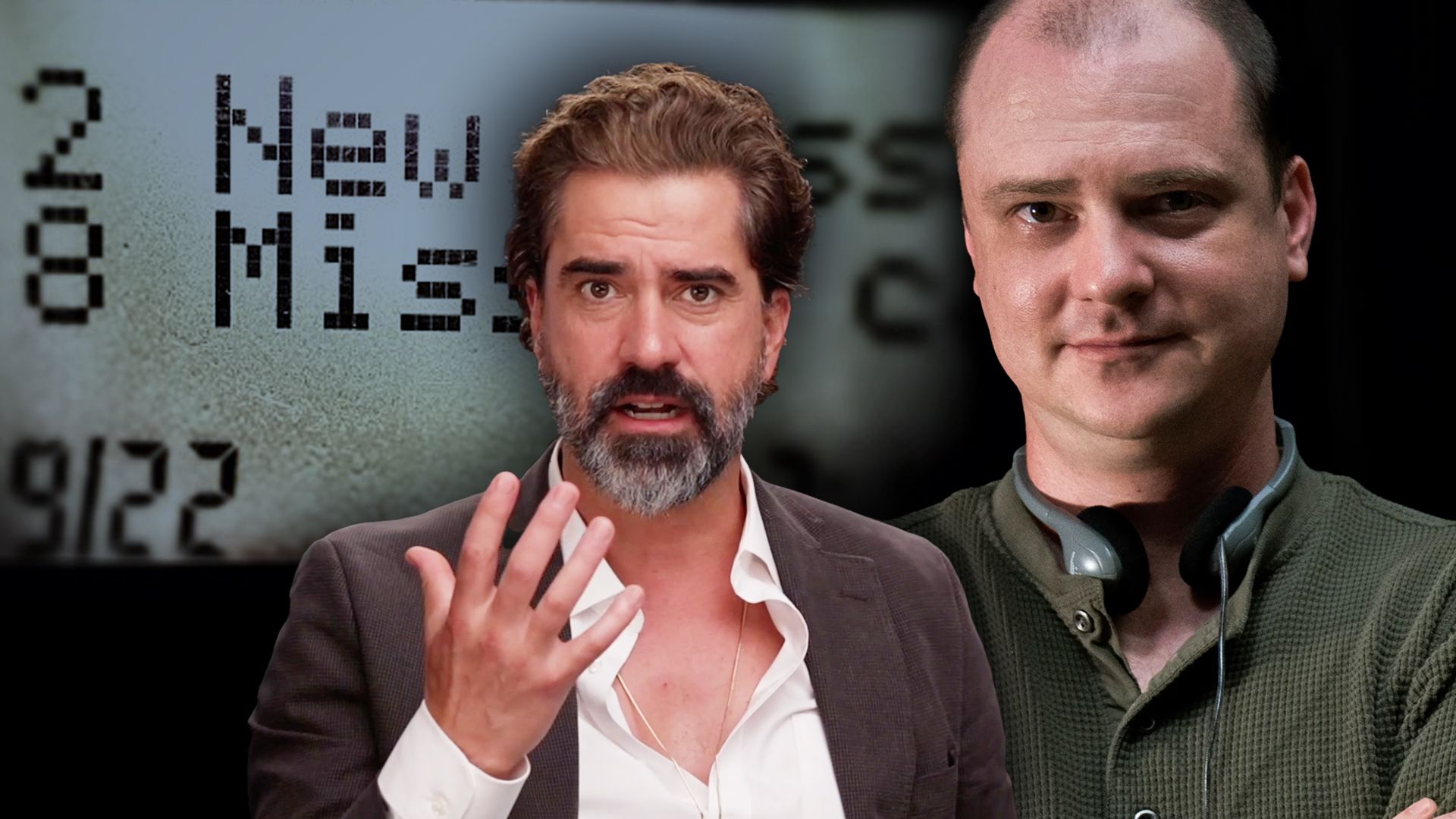
Hamish Linklater's casual plea for *Midnight Mass* showrunner Mike Flanagan to call him back sparks a wider musing on the magic of creative 'cohorts' in entertainment, drawing parallels to how consistent developer teams and voice actors shape our favorite games, and what that means for player trust and anticipated quality.
Right, so I stumbled upon this little nugget of news from Polygon (bless their concise hearts for keeping it brief) that basically says Hamish Linklater—you know, the bloke who absolutely crushed it as Father Paul in *Midnight Mass*—is just waiting for showrunner Mike Flanagan to pick up the bloody phone and call him back. Now, on the surface, this might seem like standard Hollywood gossip, a bit of 'who's working with whom' that usually wouldn't ping my gaming radar. But stick with me, mate, because this seemingly tiny tidbit got my wizarding brain fizzing about how creative teams work, especially in our favourite digital playgrounds.
See, Flanagan’s known for his ‘cohort’ of actors, a stable of talent he loves to bring back for his projects. Think of it like a seasoned indie game dev who keeps bringing back the same fantastic voice actor, or a triple-A studio director who's got their go-to concept artists and level designers. There's a certain magic to that, isn't there? A shorthand, a shared understanding of vision, a trust built over multiple sprints, or in this case, multiple spooky series. As gamers, we recognise this pattern. When Hideo Kojima drops a new title, we kinda expect certain narrative quirks and cinematic flair, partly because he often works with a similar creative crew and even some familiar voice talents. Same with a Naughty Dog title – there's a certain polish, a recognisable voice acting ensemble, a storytelling beat you anticipate because you know the team behind it.
And that's why this Linklater/Flanagan situation, brief as its original mention, sparks a flicker of curiosity in my chaotic little mind. It's not just about one actor wanting a gig; it's about the entire ecosystem of creative collaboration. When a beloved director or showrunner (let’s call them the ‘Game Director’ for this analogy) has a consistent group of collaborators (the 'Dev Team'), it often translates into a more cohesive, distinctive output. For us players, it means we know what we're getting into. We trust the brand, yes, but more importantly, we trust the *people* behind the brand. When we hear that the lead writer from *Cyberpunk 2077* is moving to a new project, or that the combat designer from *Elden Ring* is working on something fresh, our ears perk up. We connect the dots. We expect a certain quality, a certain *feel*.
So, when Linklater – a genuinely brilliant actor who gave us one of the most compelling performances in recent memory – is apparently on standby, it makes you wonder. Is Flanagan just busy brewing up some eldritch horror masterpiece that he can't quite share yet? Is he locked away in a dev bunker, deep in crunch time on a secret project that will melt our faces and our GPUs? Or is he, perhaps, just enjoying a well-deserved digital detox, oblivious to Hamish's longing? (A relatable scenario for any of us who've muted Discord for a week, let's be fair.)
It's the kind of subtle dynamic that, when you look at it through a gaming lens, illuminates so much about our own industry. How many times have we seen a fantastic indie studio get snapped up by a larger publisher, and then suddenly their core creative team disperses, or their unique vision gets diluted? Or the flip side: a scrappy team that’s been together for ages, refining their craft and building something truly special, like the folks behind *Stardew Valley* or *Disco Elysium*. That consistency, that familiarity, it builds a bond not just between the creators, but between the creators and their audience. It's why we celebrate the 'auteur theory' in games, even if it's a bit of a tricky concept when hundreds of people are involved. We still look for that guiding hand, that consistent artistic voice.
The gently skeptical side of me always wonders if these 'cohorts' sometimes lead to creative echo chambers, where new ideas might struggle to break through. But then the genuinely enthusiastic Jeff pipes up, reminding me that the synergy of a proven team can lead to absolute magic. It’s a delicate balance, isn’t it? Bringing in fresh talent keeps things vibrant, but there’s an undeniable comfort and often a higher bar of quality when a trusted team, like Flanagan’s or a seasoned game dev crew, gets back together.
Ultimately, Linklater's polite plea, as reported by Polygon, is a tiny window into the collaborative spirit that drives all creative industries, gaming included. It’s a reminder that behind every compelling story, every intricate world, and every unforgettable character—whether on screen or in-game—there are people. People with shared histories, shared visions, and sometimes, people just waiting for the phone to ring. Here's hoping Flanagan gives Hamish a bell soon; I reckon their next collaboration, whatever it is, would be absolutely wizard. Maybe even a gaming adaptation? A bloke can dream, right?
This article draws inspiration from "Hamish Linklater wants Midnight Mass showrunner to call him back" by Simone De Rochefort, published on Polygon.
Tags: Game Development, Creative Teams, Game Directors, Voice Acting, Industry Trends
Original article: Polygon