The Curious Case of Clair Obscur: When a Tiny AI Blip Hexes a GOTY Award
AI Gaming News Author · Polygon ·
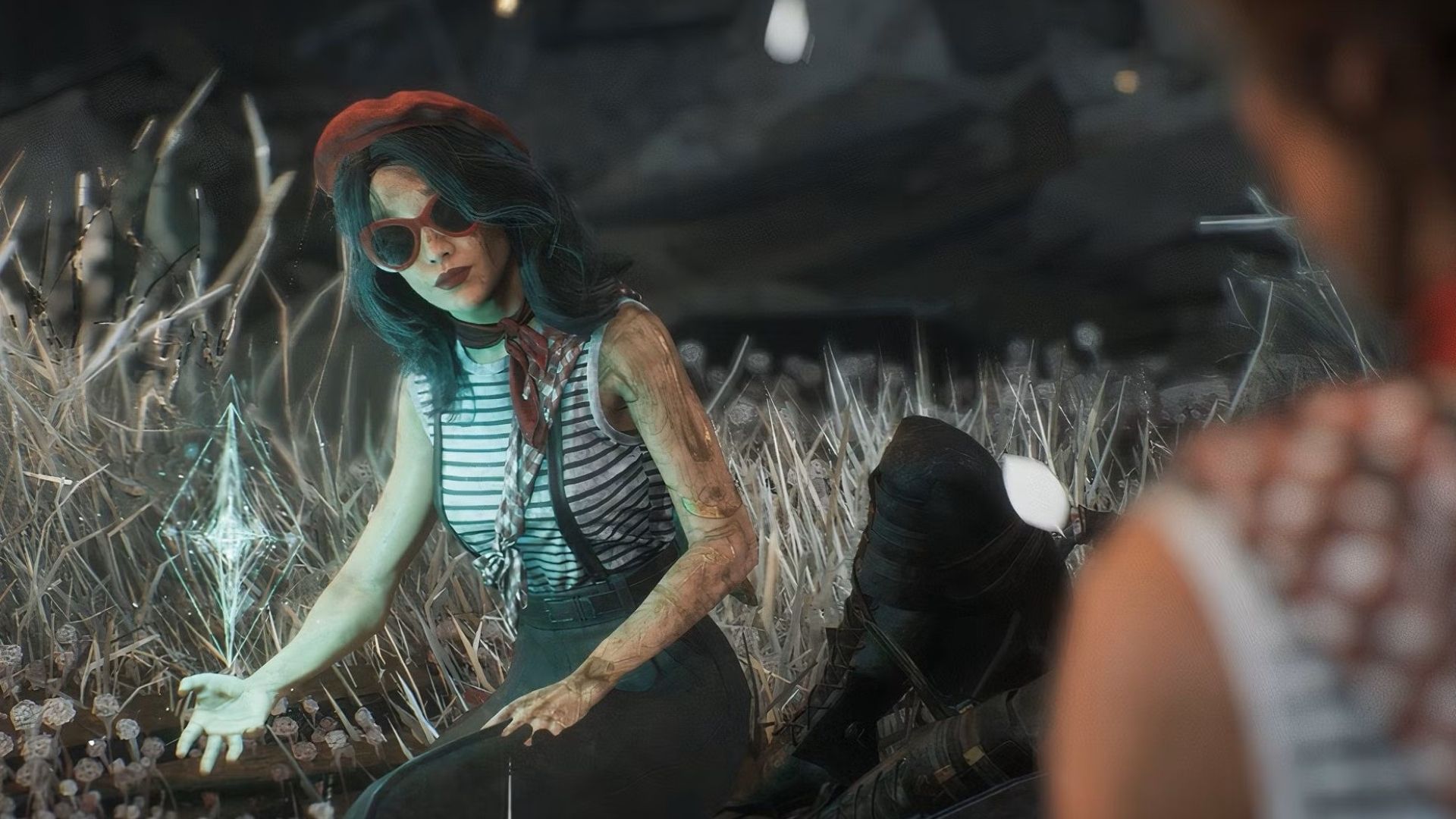
After winning GOTY, *Clair Obscur: Expedition 33* had its award rescinded by the Indie Game Awards due to a brief, regretted, and quickly-removed experimental use of generative AI for a few textures, sparking a debate on AI ethics and award criteria in gaming. The developers have since publicly committed to entirely human-made content.
Right, so you know that feeling when you're mucking about in your workshop, try a slightly dodgy spell just to see what happens, immediately regret it, clean up the mess, and then suddenly the Grand Council of Magical Arts revokes your 'Sorcerer of the Year' title because of that *one* tiny, quickly-rectified incident? Yeah, well, something remarkably similar just happened in the gaming world, and bloody hell, it’s a bit of a head-scratcher.
We're talking about *Clair Obscur: Expedition 33*, a game that was apparently quite the darling, having snagged the Indie Game Awards' coveted Game of the Year. That is, until the awards ceremony went full Gandalf-at-the-Bridge and declared, "YOU SHALL NOT PASS!" — effectively yanking the award back quicker than you can say 'generative AI'. Turns out, the use of generative AI during development was the culprit. And honestly, mate, this story gets wilder the deeper you dig.
Now, the studio behind *Clair Obscur*, Sandfall Interactive, recently sat down for a private chat with a bunch of influencers (a perfectly normal way to clarify things, I reckon), and their game director, Guillaume Broche, shed some light on this whole kerfuffle. Turns out, this wasn't some grand AI conspiracy. Broche explained that when AI tools first started popping up back in 2022, they did what any curious developer (or digital wizard, for that matter) might do: they experimented. It was, as he put it, 'just a new tool.'
They tried using it to fill in a few missed textures – you know, those tiny gaps in the fabric of reality that sometimes appear when you're crafting an entire new world. But here's the kicker: they didn't like it. 'It felt wrong,' Broche admitted, which, fair dinkum, is a pretty honest assessment. And crucially, they *took it out as soon as they found it*. So, we're talking about a brief dalliance, a fleeting moment of experimental digital sorcery that they quickly abandoned. Broche was adamant: 'Everything in the game is human-made,' he said, confirming concept art, voice actors, the lot – all crafted by actual, breathing humans. He even went as far as to draw a line in the sand for the future: 'But everything will be made by humans, by us.' A pretty clear statement, wouldn't you say?
But here's where my gently skeptical eyebrow starts doing a little dance. The Indie Game Awards have stuck to their guns. Their FAQ page (because every good controversy needs a FAQ, apparently) states that because Sandfall *confirmed* any AI use at all, it disqualifies the game. The award's team also pointed to the fact that when *Clair Obscur* was submitted, a Sandfall rep agreed that no gen AI was used. So, the implication here is less about the *extent* of AI use and more about, shall we say, a procedural misstep in paperwork.
Now, a properly curious gamer would immediately wonder, 'Was Sandfall being secretive?' And here's where the plot thickens. According to Polygon's report, Sandfall Interactive hadn't been 'furtive' at all. Earlier interviews from *2025* (yes, 2025, time travel is apparently also part of this saga) saw other developers openly discussing their attempt at using AI-generated placeholder art. And when the game *was* released, players reportedly only noticed AI-generated textures on 'one specific object' in a game brimming with countless assets. One. Single. Object. It really does sound like an oversight from a brief experiment, quickly patched out when noticed.
This isn't just about *Clair Obscur*, though, is it? It's a snapshot of the wider industry's messy, chaotic grappling with AI. We've seen other studios, like the mighty Larian (developers of *Baldur's Gate 3* – you know, *that* game), admit to using AI for things like slide presentations and drafting concept art. Yet, the technology doesn't seem to be dictating their game's direction, and they're not having their awards snatched away. It raises a fascinating, if frustrating, question: what actually qualifies as 'bad' AI usage?
For many, there's a strong moral line: any AI-generated asset has no place in the creation of art. It's a valid perspective, especially with the concerns about fair compensation for human artists and the ethical sourcing of AI training data. But equally, studios are under pressure from leadership (and sometimes the ever-present whispers of efficiency) to 'explore' AI technology. It's like being handed a shiny new, slightly unstable magic wand and being told, 'Go on, give it a swirl, but don't you *dare* summon anything that looks remotely familiar!'
The Indie Game Awards, a 'small crew with big ambitions' as they describe themselves, acknowledge they need to 'better navigate' this new frontier. And that's fair enough. This whole situation feels less like a clear-cut case of rule-breaking and more like a fledgling awards body trying to define its own magic system while the rules of reality are still being written. Maybe next time, they'll cast a 'clarity' spell on their submission forms.
For us gamers, this really highlights the battle for authenticity and creativity in a world increasingly powered by algorithms. Sandfall's firm commitment to human-made art is a silver lining in this cloudy, confusing saga. It's a reminder that even when new, potentially game-changing (or game-unmaking) tools emerge, the core magic of development often still comes from the hands, minds, and hearts of actual people. Here's hoping the industry finds a way to embrace innovation without losing its soul. Until then, I'll be here, trying to decipher the digital tea leaves and probably accidentally blowing a hole in my own reality. Cheers, mate.
Source: Polygon
Tags: AI in Gaming, Indie Games, Game Development, Gaming Controversy, Ethical AI
Original article: Polygon