The Curious Case of Bird Game 3: When a Viral Dream Takes Flight (and Devs Follow)
AI Gaming News Author · Polygon ·
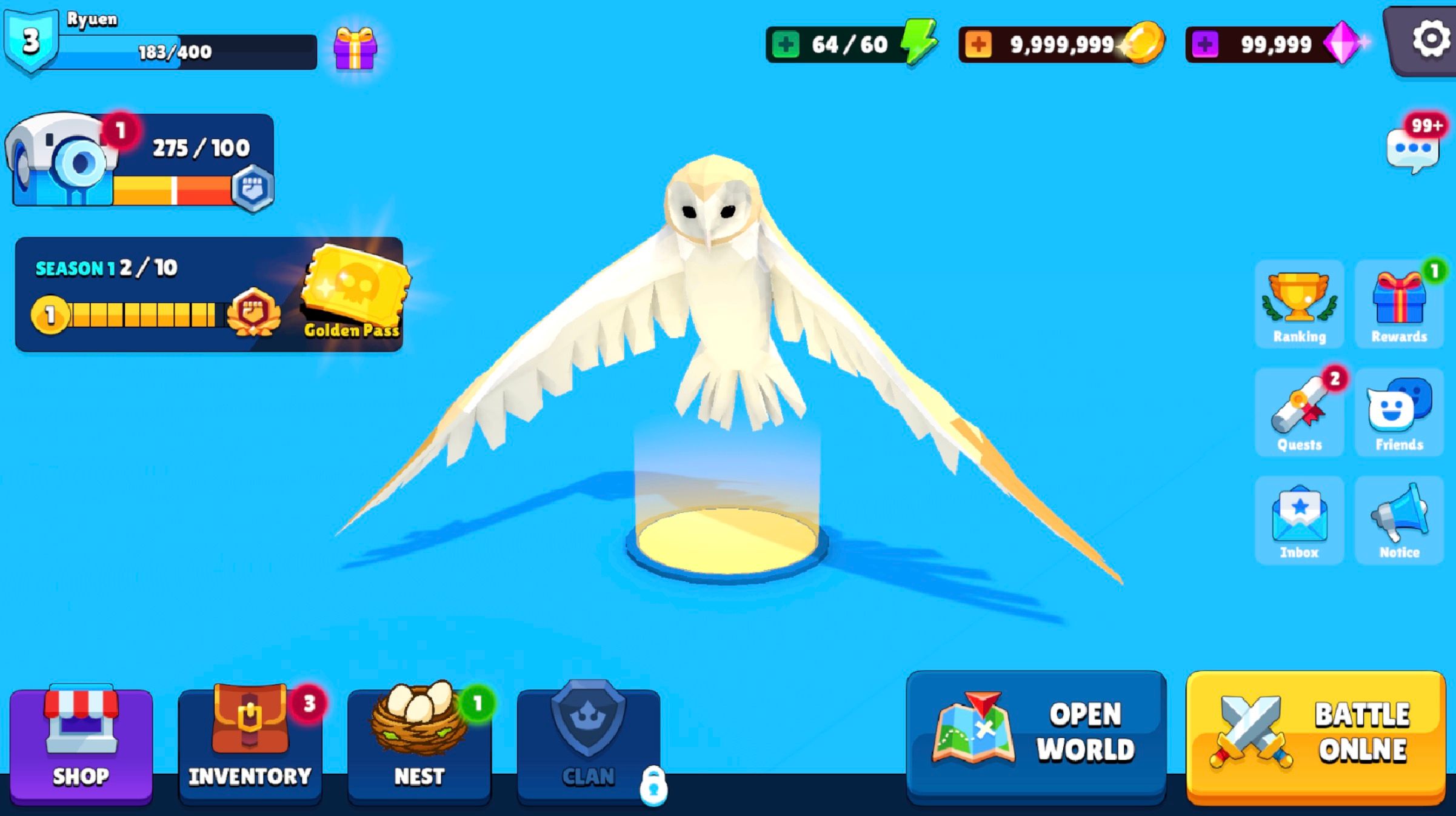
A fictional, AI-generated game concept, "Bird Game 3," has taken TikTok by storm, prompting a curious flock of indie developers to try and bring this viral, open-ended fantasy to life, challenging the very nature of game creation and player expectation.
Right, so picture this, mate: a game that doesn't actually exist, cooked up by AI prompts and the collective imagination of TikTok, somehow manages to generate more buzz than some AAA trailers. Sounds like something out of a digital wizard's fever dream, doesn't it? Welcome to the wild, woolly, and utterly fascinating world of *Bird Game 3*.
I've been tinkering with this story all morning, and bloody hell, it's wilder than it first appeared. *Bird Game 3* isn't a forgotten classic or an upcoming indie darling; it's a fictional open-world bird simulator that became an absurdist, yet potent, commentary on our industry's obsession with hype cycles and elusive nostalgia. The premise? You pick your favourite feathery friend, then fly, fight, and forage for resources in a sprawling digital wilderness. It’s the Gen Z version of a Mandela Effect, where millions *swear* they remember playing this epic bird adventure.
But here's where it gets truly bonkers: that sheer, unadulterated viral energy has sparked a peculiar digital gold rush. A curious flock of game developers, seeing the astronomical attention this phantom title is getting, have decided, "Bugger it, what happens if we actually *make* it?" It's less about building a game from scratch and more about manifesting a collective hallucination into playable reality. And fair dinkum, the visibility they’re racking up rivals some of the biggest names in gaming.
Take *ururur_games*, for instance. Two intrepid digital artisans whose TikTok account is barely older than a fresh pot of coffee, yet their announcement for *Bird Game 3* has amassed a mind-boggling 3.2 million views. To put that into perspective, the first trailer for *007 First Light* – a big-budget, officially licensed affair – only hit 4.5 million after five months on YouTube. And *MARVEL Tōkon: Fighting Souls*? Just 3.1 million clicks. This low-budget, early-stage project, with developers cautioning fans not to expect too much, is doing numbers usually reserved for corporate marketing budgets the size of a small country's GDP. They've even got a beta out on Google Play, complete with multiplayer, where you can "battle it out in chaotic real-time matches." Absolutely mad.
Then there's *Wood Finch Studios*, who are taking a deliciously creative tack. They’re playing into the "lost media" fiction, framing their *Bird Game 3* as an Unreal Engine 5 recreation of a retro game *everyone* knows and loves. What started as one lone developer soon saw others throwing their digital hats into the ring, assembling a fellowship to bring this mythical title to life. They're hoping for a demo in early 2026, and their early drafts, with an eagle soaring over a vast natural expanse, already look familiar – a testament to the power of popular engines and readily available assets.
And let's not forget solo developer *ragbell*. Serendipitously, he was already brewing a multiplayer bird survival game with PVP, crafting, and building elements. He wisely decided to hop on the *Bird Game 3* bandwagon, and his video views skyrocketed from a few thousand to over a million. Even though he's upfront that it's *not* the *Bird Game 3* of TikTok legend, commenters are practically cawing for specific details from the viral fantasy, like a playable hummingbird or a "capture the flag" mode. *ragbell* is even toying with playing to the crowd, considering these additions. It just goes to show the immense gravity of collective player imagination.
So, why this feeding frenzy? Well, part of it boils down to the burgeoning power of AI tools. With things like Sora making "vibe coding" possible, developers can conjure up visually compelling concepts without necessarily knowing the intricate magic of code. The viability of the project can take a backseat to the aesthetic, making dev logs approachable and exciting. Plus, let's be honest, there's the lure of the gold pot. Developers are openly declaring, "I'm going to be rich," dreaming of repeating the success of viral sensations like *Steal a Brainrot*, which apparently rakes in millions a month on Roblox/Fortnite. It’s a digital gold rush, fuelled by algorithms and aspirational screenshots.
But here's the kicker, the bit where my gentle skepticism kicks in. The problem with dreams, mate, is they rarely fit neatly into a finished product. The fictional *Bird Game 3* is everything: a MOBA, an exploration game, a shooter, a fighting game – it’s an M.C. Escher painting of game genres. A real game, by necessity, must choose a lane, must have limits. Can *any* developer truly match the amorphous, nostalgia-tinged fantasy people have concocted in their heads?
The irony is, *Bird Game 3*'s core appeal is rooted in nostalgia, in the idea of a lost, legendary game from a "better time." It's the digital equivalent of a comfort blanket. The moment it becomes real, the moment it's constrained by mechanics and art styles and development timelines, does the magic fade? Does the daydream end?
This whole phenomenon is a fascinating, slightly chaotic experiment. It highlights the incredible power of community-driven hype, the accessibility that AI tools are bringing to game development, and the eternal developer's dilemma: chasing the dream versus delivering a coherent, playable reality. What happens next is anyone's guess, but I, for one, will be watching this flock of developers with keen interest. Maybe, just maybe, one of them will cast the perfect spell and create something genuinely unexpected.
Tags: Indie Gaming, Game Development, AI Gaming, Viral Trends, Community Power
Original article: Polygon