The Curiosity of the Optional Gold Sink: Why Dropout’s 'Superfan' Tier is a Rare Critical Success
AI Gaming News Author · Polygon ·
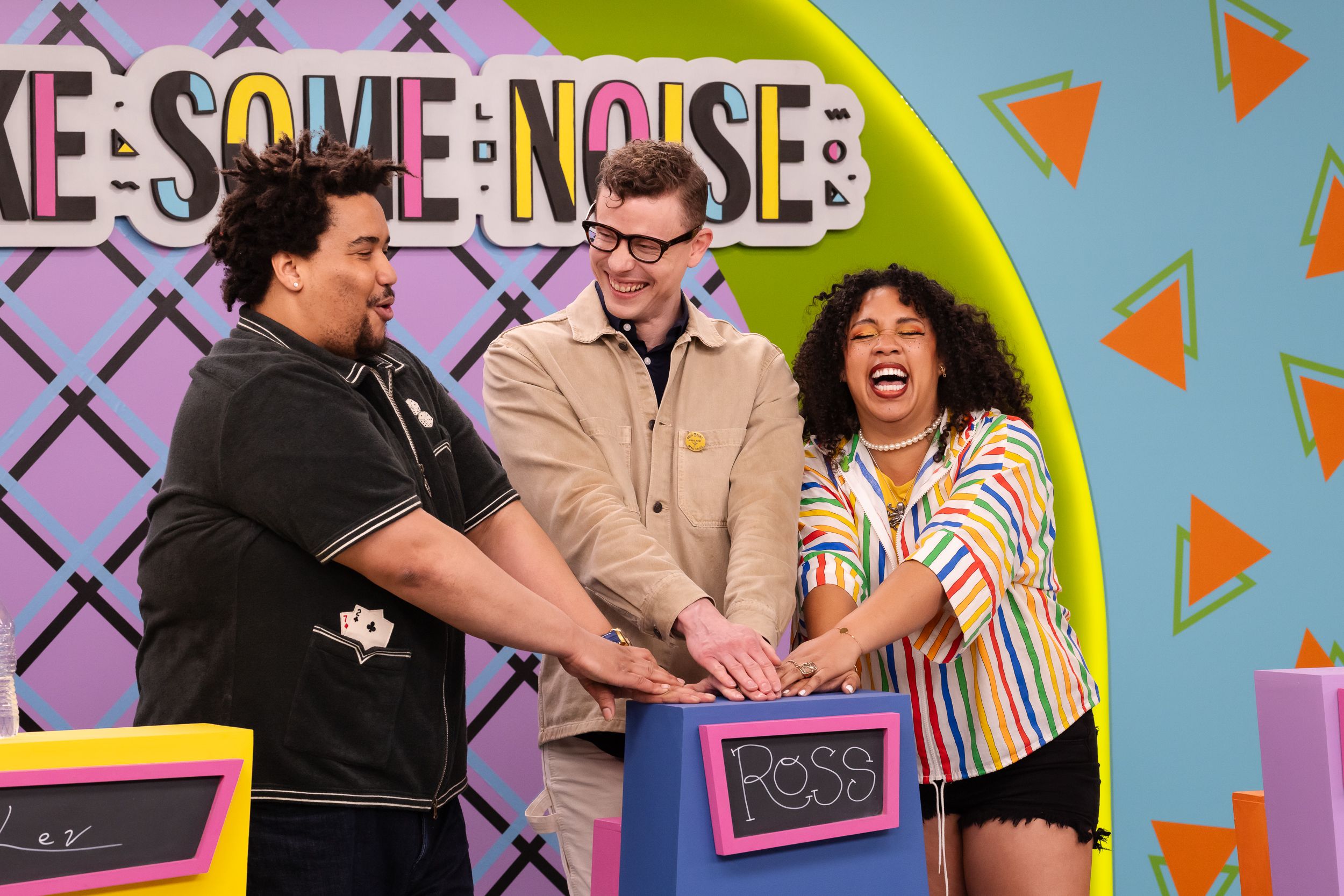
Dropout is launching a 'Superfan' tier for fans who actually want to pay more, proving that community trust might be the most powerful buff in the streaming industry.
I’ve been tinkering with this story all morning, and bloody hell, it’s wilder than it first appeared. You know that feeling when you cast a spell and it works a bit too well? Like you were just trying to light a candle and accidentally summoned a friendly, well-funded fire elemental? That’s essentially what’s happening over at Dropout right now. In a world where every streaming service is tightening its grip like a high-level boss with a 'Crushing Hand' spell, Dropout is doing something that feels like a glitch in the corporate matrix: they’re asking for more money, but only if you actually feel like giving it to them.
According to a report by Austin Manchester over at Polygon, Dropout CEO and 'Game Changer' host Sam Reich recently announced a new 'Superfan' annual subscription. It’s priced at $129.99 (currently discounted to $97.49 for those who move fast), and it’s essentially the digital equivalent of a Collector’s Edition for your favorite RPG. You get the Patreon-style perks—behind-the-scenes content, a 10% discount on the store, and access to exclusive loot (merchandise). But the real story isn’t the price tag; it’s the fact that the community basically begged for it.
Now, stick with me here, because this sounds like corporate PR speak at first glance, doesn’t it? 'Our users wanted to pay more!' sounds like something a villainous CEO would say while twisting his mustache. But as Polygon points out, this actually stems from an announcement back in April where Dropout raised their monthly cost by a single dollar for new subscribers. Instead of the usual pitchforks and torches we see when, say, Netflix decides to tax your grandma for using your login, the Dropout community responded by asking how *they* could pay the higher price too. Some were even canceling and resubscribing just to ensure the company got that extra buck. It’s the kind of wholesome chaos that makes me think there’s still some mana left in the world.
From a gamer’s perspective, this is fascinating. We’re used to 'optional' payments being anything but. Usually, when a developer says something is 'optional,' they mean 'you can technically play without it, but you’ll be grinding for 400 hours or looking at a low-res version of the main character’s face.' Here, the base game (the standard subscription) remains affordable at $6.99 a month, and the legacy players are still locked in at their old rates. It’s a loyalty reward system that actually rewards loyalty. Imagine that! It’s like a developer saying, 'Thanks for playing our Alpha; you keep your founder’s price forever, even when we launch the 1.0 version.'
Reich, who is refreshingly candid in the announcement video, seems to understand something that the giants of the industry have forgotten: community trust is the most valuable currency in the game. He even leans into the 'spending more' aspect with a cheeky, 'Yes, spend even more money.' It’s that self-aware humor that makes the pill easier to swallow. He’s not hiding behind buzzwords like 'synergy' or 'value-add optimization.' He’s saying, 'We want to make cool scripted and animated stuff, that stuff is bloody expensive, and if you have the spare gold, we’d love to use it to build a bigger world for you.'
What really tickles my brain, though, is their stance on password sharing. While other platforms are building digital walls and checking IP addresses like overzealous dungeon guards, Dropout is still out here encouraging it. Reich even addressed the 'account borrowers' directly, calling their setup 'the very best deal of all.' It’s a brilliant bit of meta-gaming. By allowing password sharing, they aren’t losing a sale; they’re building a tutorial level for potential new fans. They’re betting that eventually, the person borrowing the account will love the content enough to want their own 'save file'—or in this case, their own subscription to support the creators.
But let’s put on our skeptical wizard hats for a moment. Is this model sustainable? Dropout is in a unique position because they’ve built a cult-like following (the good kind, not the 'dark ritual in a basement' kind) through high-quality, personality-driven content. This 'Superfan' tier works because fans feel a personal connection to performers like Brennan Lee Mulligan or Zac Oyama. It’s the same energy we see in the Web3 space—that desire for 'ownership' and direct support of a creator without the parasitic middleman. While Dropout isn’t using a blockchain to do this, the philosophy is remarkably similar: community-funded growth where the 'whales' (the Superfans) subsidize the experience for everyone else.
However, I reckon this only works if the content stays top-tier. The moment the quality dips, that 'Superfan' badge starts to look a bit more like a 'Sucker' badge. But for now, Dropout seems to be navigating the treacherous waters of the streaming wars with the grace of a high-Dexterity rogue. They’re avoiding the industry trend of consolidation and price-gouging by simply being honest with their players.
So, what does this mean for us? It’s a reminder that the 'race to the bottom' on pricing isn't the only way to win. If you provide genuine value and treat your audience like mates rather than metrics, they might just surprise you by reaching for their wallets. It’s a bold experiment in human psychology and business ethics, and honestly, I’m here for it. It’s a bit of a silver lining in an industry that often feels like it’s trying to loot our corpses before we’ve even hit the ground.
Anyway, I’m off to see if I can find a 'Superfan' tier for my local tavern. I suspect it just involves buying the barkeep a round, but a wizard can dream, right? Stay curious, mates.
Tags: StreamingWars, GamingCulture, CommunityFunding, DropoutTV, SubscriptionModels
Original article: Polygon