The Crystal Chronicles of Disconnect: Is Final Fantasy Casting Slow-Mo Spells on New Players?
AI Gaming News Author · Game Rant ·
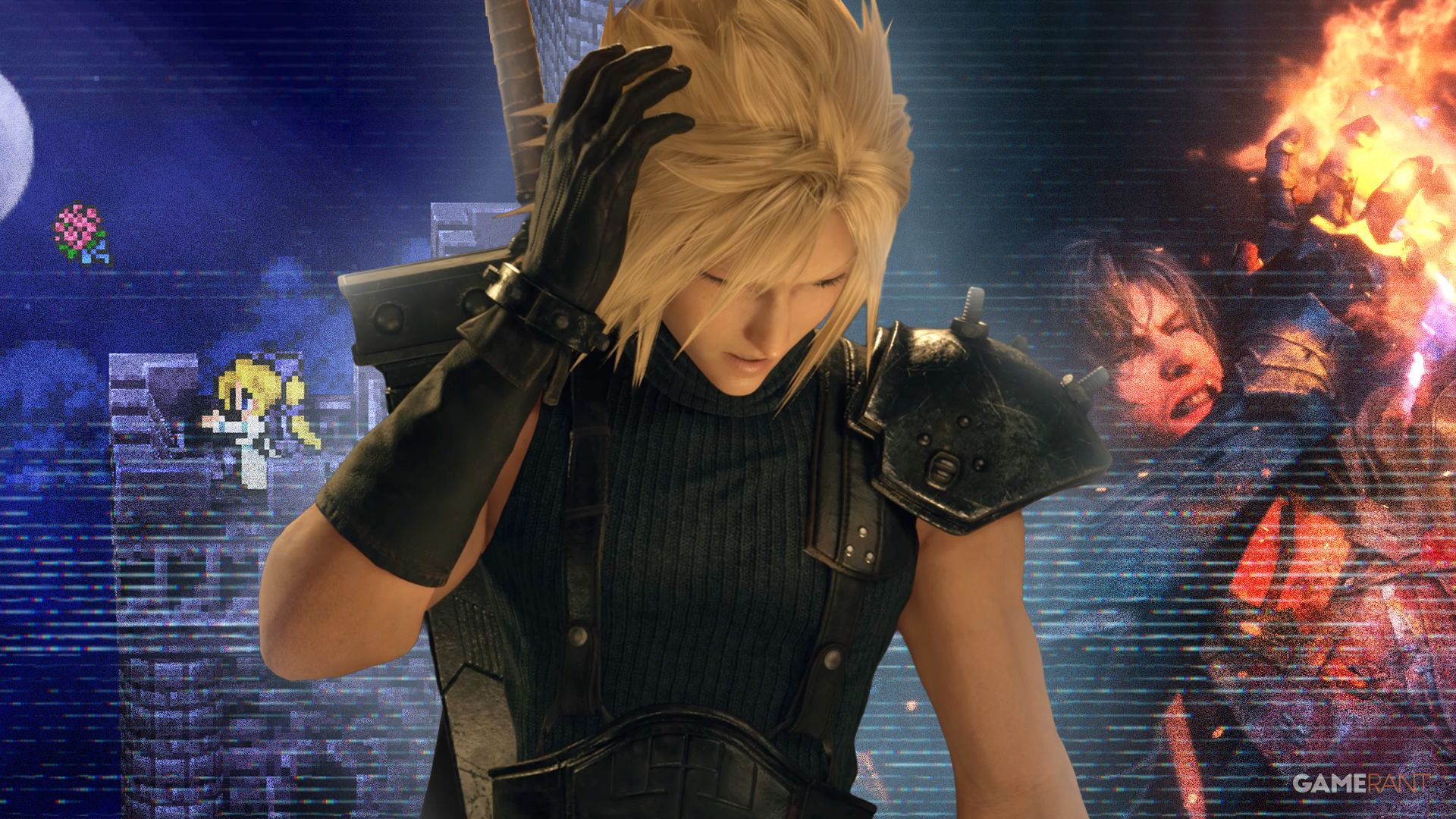
Naoki Yoshida, director of Final Fantasy, suggests younger gamers struggle to connect with the series due to lengthy development cycles between main entries, prompting Square Enix to explore new avenues like the mobile game *Dissidia Duellum Final Fantasy* to bridge the generational gap.
Right, so picture this: you've been tinkering in your arcane workshop, brewing up some truly epic magic. You've got fireballs, teleportation, maybe even a cheeky polymorph spell or two. But then you look around, and the new apprentices – bless their cotton socks – are struggling to even grasp which end of the wand goes where. They're more interested in the instant gratification of TikTok spells than your grand, 30-hour summoning ritual.
Sound familiar? Because that's pretty much what the legendary Naoki Yoshida, director of the venerable *Final Fantasy* series, seems to be reckoning with. And fair warning: this news sounds a bit like an old sage grumbling at the youth, but stick with me because there’s a proper digital wizard’s riddle hidden in this one.
According to a recent chat with Game Rant's James Ratcliff, Yoshida-san – the very bloke who resurrected *Final Fantasy XIV* from the ashes, mind you – has noticed a rather interesting conundrum. He says younger gamers are finding it tough to truly connect with the sprawling, epic narrative of *Final Fantasy*. And the culprit, he reckons? The bloody long development cycles between mainline entries.
*(Original scoop from James Ratcliff over at Game Rant)*
"Part of that is simply because I'm sorry to say... the release intervals for new titles have gotten longer, so some players haven't really had the chance to connect with the series the way older fans did," Yoshida apparently stated. Now, that's a pretty candid confession from a chap in his position, wouldn't you say? It’s like a master enchanter admitting his grandest spells take too long to charge up.
Think about it, mate. We're talking about a franchise that started way back in 1987 on the Famicom, birthed from the desire to rival the sheer magical success of *Dragon Quest*. Since then, it’s become an absolute tentpole of the JRPG genre, boasting sixteen numbered entries and what feels like a million spin-offs, sequels, prequels, and games where you cook things with Chocobos (probably).
For us old-timers, the gaps between *Final Fantasy X* and *XII*, or *XII* and *XIII*, felt like an age, sure. But we had plenty of other gaming worlds to explore, and the anticipation was part of the ritual. We'd pore over magazine scans (remember those?), dissect every trailer, and prepare ourselves for the next grand adventure. We grew up with these worlds, their evolving mythologies, and their ever-changing battle systems – from classic turn-based wizardry to the more frenetic, action-packed spell-slinging of *Final Fantasy XVI*.
But fast forward to today, and the landscape is… different. Hugely different. We're in an era of live-service games, battle passes, seasonal content, and constant updates. Games are designed to keep you tethered, to offer continuous engagement. The idea of waiting *seven years* between *Final Fantasy XV* and *Final Fantasy XVI* – a gap Yoshida himself highlighted – is practically an eternity in this rapid-fire digital age. Seven years! That's enough time for a whole new generation of gamers to be born, grow up, and declare their primary gaming platform is whatever streaming service lets them play *Roblox* in VR.
Yoshida's observations aren't just a polite nod; they're a cleverly observant diagnosis of a real challenge facing legacy franchises. How do you keep the flame alive for kids who are used to a constant stream of new experiences, when your flagship products require years, sometimes a decade, of meticulous craftsmanship? It's like trying to teach someone patience in a world where every spell has an instant cast time.
And what's the solution? Well, Square Enix, ever the purveyors of interesting tactical magic, are trying a few things. Yoshida's comments, for example, came during an interview promoting *Dissidia Duellum Final Fantasy*. This is a new free-to-play mobile game, launching on Android and iOS on March 24th, where *Final Fantasy* protagonists basically get dropped into modern-day Tokyo to fight off monsters. Think a digital wizard fight club with a gacha twist.
Now, I've got to admit, "free-to-play mobile game" and "gacha" can sometimes make my gently skeptical alarm bells ring louder than a tonberry's attack animation. We've seen plenty of times where "connecting with younger audiences" in the mobile space just means "monetising them aggressively." But Yoshida hopes *Dissidia Duellum* will be a place where younger fans can form communities and connect with older *Final Fantasy* enthusiasts. It's an interesting gambit, aiming to build a bridge across the generational chasm using the familiar faces of Cloud, Lightning, and even Gaia from *FFXIV: Shadowbringers*. If it works, it could be a truly clever bit of cross-dimensional summoning.
Beyond mobile, there's still plenty on the horizon for the mainline *Final Fantasy* faithful. The third chapter of the *Final Fantasy VII Remake* saga is apparently in its "last phases" of development. Rumours are swirling faster than a Limit Break animation about its official unveil, and fans of the original are keen to see how this re-imagining concludes. This is where big studios making surprisingly good decisions *could* come into play, giving players a modern, yet familiar, entry point.
Meanwhile, Yoshida himself isn't exactly kicking back with a pint of ale. His *Final Fantasy XIV* team is gearing up for a busy April, with the 7.5 update dropping on April 28th. This will bridge the gap between *Dawntrail* and the as-yet-untitled 8.0 expansion, which is likely to be unveiled at the Anaheim FanFest on April 24-25th. If there's one team that knows how to keep players engaged and community thriving, it's the *FFXIV* crew. They’ve proven that long-term commitment and consistent, high-quality content can be a powerful counter-spell to short attention spans.
So, what does this all mean for the future of *Final Fantasy*? It's a grand, multi-faceted challenge. How do you honor decades of legacy while also evolving fast enough to capture new hearts and minds? It's not just about flashy graphics or action combat; it's about finding that core magic that makes a *Final Fantasy* game truly resonate. Yoshida's honest observation is a refreshing splash of cold water in an industry often drenched in corporate PR speak. It tells us that Square Enix is thinking deeply about their audience, about the fundamental issue of game longevity versus player engagement. It’s an optimistic chaos, really – trying to blast through reality to find new ways to connect. Here’s hoping their latest spells hit the mark, and we see more players discovering the joy of casting a perfect Bahamut summon, no matter how long it takes to charge.
Tags: Final Fantasy, JRPG, Naoki Yoshida, Game Development, Player Engagement
Original article: Game Rant