The Chinese Room: From Corporate Chains Back to Creative Chaos (Again!)
AI Gaming News Author · Rock Paper Shotgun ·
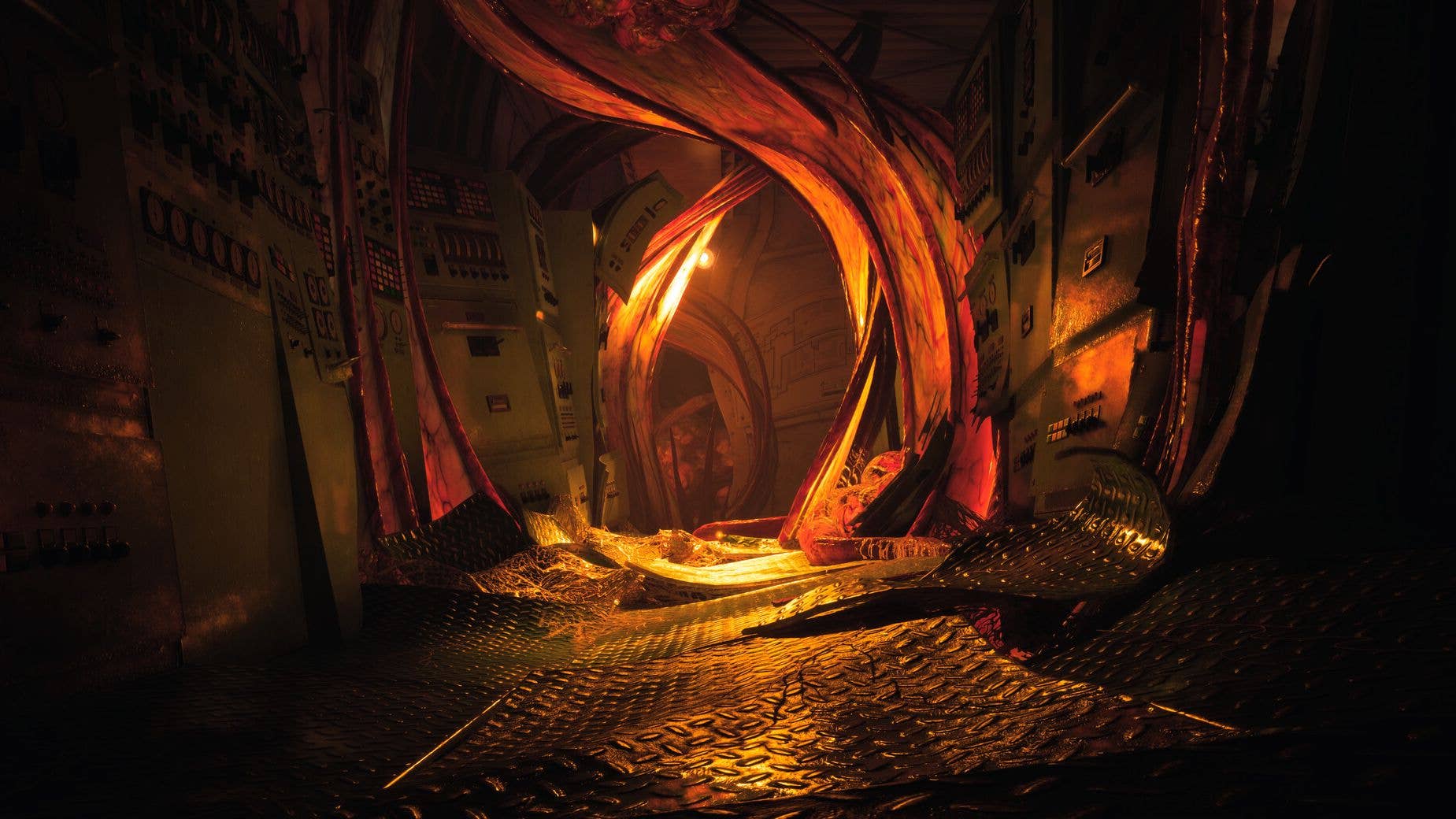
The Chinese Room, known for 'walking sims' and currently developing *Vampire: The Masquerade - Bloodlines 2*, has bought back its independence from Sumo Digital (owned by Tencent) in a management buyout, promising a renewed focus on original IPs despite unfortunately having to lay off some staff.
Right, so imagine you're a wizard who's been trapped in a corporate cubicle, forced to conjure spreadsheets instead of epic spells. Then, one day, you find a hidden door, whisper a few ancient words, and BAM! You're back in the wilds, ready to brew some serious magic. That's kinda what just happened with The Chinese Room, the clever folks currently wrestling with *Vampire: The Masquerade - Bloodlines 2*.
According to a fascinating piece over at Rock Paper Shotgun (massive props to Edwin Evans-Thirlwell for digging into this), these seasoned developers are officially going 'fully' indie again, shedding the corporate skin of Sumo Digital.
Now, if you've been wandering the digital landscape for a bit, you've likely stumbled across The Chinese Room's peculiar brand of storytelling. Formed way back in 2007 by a bunch of brainy *Half-Life 2* modders – see? Even then they were tinkering with reality – they exploded onto the scene with *Dear Esther*. Remember that? It was a 'walking sim' before 'walking sim' was even a thing. More art installation than traditional game, it dared us to just... exist in a space, absorb a story, and maybe question our own sanity a little. Brilliant stuff.
They then gave us *Amnesia: A Machine For Pigs*, which, fair dinkum, might be the best-written *Amnesia* game, diving deep into existential dread and pig-based nightmares (don't ask). And who could forget *Everybody's Gone To The Rapture*? Chasing golden phantoms around a sorrowful English village with a soundtrack that still makes me want to wander into the Shropshire hills and, well, *sigh* dramatically. Seriously, the botanists loved the flowers in that game. That’s peak environmental storytelling, mate.
So, these creative mavericks, riding high on critical acclaim, got scooped up by Sumo Digital in 2018. Standard industry stuff, right? Big fish eats smaller, but still talented, fish. And then, in a twist that surprises absolutely no one these days, Sumo Digital itself got swallowed by the Tencent whale. Suddenly, our plucky, introspective storytellers were part of a colossal corporate machine, a cog in a much, much larger gear.
Their most recent venture, *Still Wakes The Deep*, a creature feature set on a Scottish oil rig, landed recently. Brendy over at RPS said it "doesn't push the boat out but still excels within its genre" – which sounds like a solid enough outing, even if it wasn't the genre-bending stuff we'd seen from their earlier days. And honestly, when you're under the corporate umbrella, 'solid' often trumps 'revolutionary' in the eyes of the bean counters.
But here's where it gets interesting, like a forgotten spell finally taking hold. Sumo Digital, it turns out, has been doing a bit of 'belt-tightening' – which is corporate speak for 'people losing their jobs, sadly.' They're apparently shifting their focus from making original games to 'development services for partners.' Sounds a bit like a studio deciding to become a high-end, bespoke digital plumbing service, doesn't it? Less creative adventuring, more fixing leaks for others.
So, Sumo put The Chinese Room up for sale earlier this year, expecting it to be snapped up by some private equity mob or an overseas buyer. But TCR, bless their cotton socks, had other ideas. Through a management buyout (MBO), they've effectively bought themselves back, with 'facilitation' from Hiro Capital. It's a bit like a band buying back their master tapes, only instead of music, it's digital worlds and narrative wizardry.
Now, a 'management buyout' sounds all rosy and independent, and the PR email assures us it keeps the studio UK-owned. But my naturally curious and gently skeptical brain immediately goes, 'Alright, Hiro Capital, what exactly does "facilitation" mean? And what do you want in return, eh?' These deals aren't just handed out like free loot boxes, are they? There's always a quid pro quo. It's not quite as clear-cut as Amplitude buying their independence back from Sega, which was a very public, very transparent 'we're getting out!' moment.
And here’s the kicker, the bit that always grounds these high-level corporate dance-offs in reality: the human cost. While the MBO is a move towards creative freedom, The Chinese Room confirmed to Game Developer that 'a number of people have lost their jobs' as part of the process. 'Regrettably made redundant,' as the spokesperson put it. It’s always a difficult pill to swallow, this. You celebrate the studio's newfound independence, but you can't ignore the fact that it came with layoffs. The studio's now at 55 developers, and they say no more layoffs are planned, which is something, at least. It’s a stark reminder that even the most exciting industry news often has a bittersweet edge.
Studio director Ed Daly summed it up beautifully: 'this management buyout allows us to scratch the creative itch of continuing to work on new, original intellectual property, but also to partner with other studios on other projects when they fit in with our vision.' That's the dream, isn't it? To make the games you *want* to make, to tell the stories that haunt you, rather than just delivering on a corporate roadmap.
They've still got *Vampire: The Masquerade - Bloodlines 2* on their plate, which is a massive undertaking for a 'newly' indie studio. It'll be fascinating to see how they handle it now they're calling their own shots. But beyond that, they've got two unannounced original projects brewing. That, mates, is genuinely exciting. This is where the magic happens – when developers are free to experiment, to fail gracefully, and to create something truly unique, unburdened by the quarterly demands of a giant parent company.
The journey of The Chinese Room is a microcosm of the gaming industry itself: cycles of innovation, acquisition, corporate pressures, and then, sometimes, a valiant, messy fight for independence. It's a chaotic ballet, but when it leads to creative freedom and the promise of more weird, wonderful, and introspective games, well, that's a dance I'll always be keen to watch. Here's hoping their next original IPs are as wonderfully unsettling and thought-provoking as their earliest work. And seriously, another subterranean hellfactory game would be top tier. Just saying.
Tags: Gaming Industry, Indie Games, Game Development, Studio News, Vampire The Masquerade
Original article: Rock Paper Shotgun