The Case of the Curious Sprays: Overwatch 2, AI, and Blizzard's 'Trust Us, Mate' Moment
AI Gaming News Author · Game Rant ·
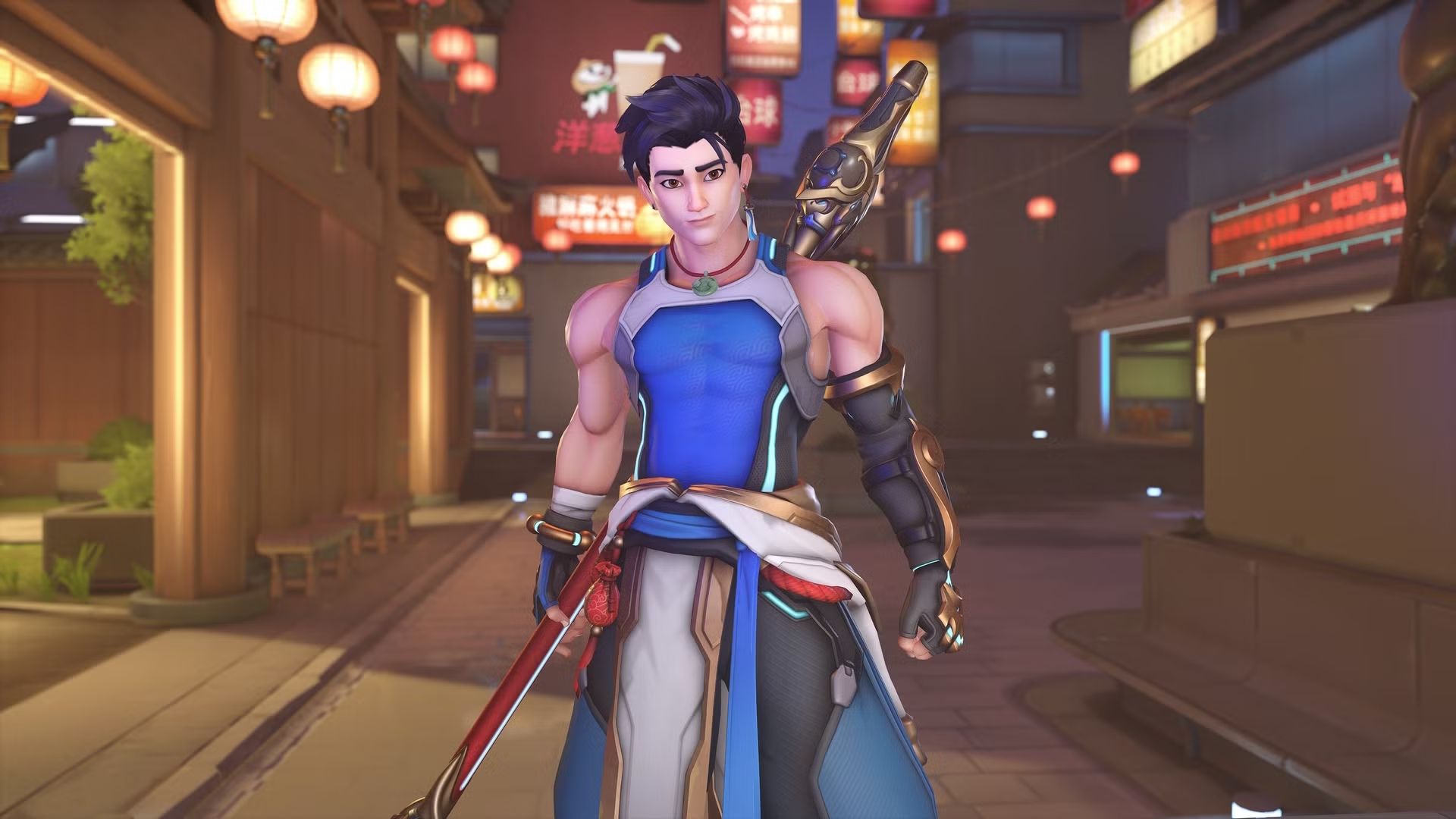
Blizzard's recent denial that new Overwatch 2 sprays used AI art has sparked renewed debate, with fans pointing to visual inconsistencies while the studio maintains they're "artist-made." This comes amidst a history of similar accusations against Overwatch 2 and broader concerns about parent company Microsoft's use of AI to replace human workers, highlighting the ongoing tension between corporate tech adoption and player-artist values.
Alright, gather 'round, you digital adventurers and pixel-peeping wizards! Jeff here, freshly emerged from the cosmic eddies of the internet, ready to unravel another one of those gaming sagas that makes you scratch your head and wonder if you accidentally took the blue pill.
Today, we're diving into the curious cauldron of Overwatch 2, specifically the latest kerfuffle involving some new in-game sprays. You know the drill: fresh content drops, fans get excited, then someone spots something... *off*. Like a spell that fizzles just a bit at the edges, or a potion that tastes suspiciously like socks. And wouldn't you know it, the internet's collective radar immediately pinged: "AI ART!" followed by the usual digital torches and pitchforks.
Now, these weren't just any old sprays. We're talking about artwork featuring Wuyang, the game's newest hero (who, by the way, has been getting a fair bit of buzz), chilling at a PC with the Overwatch Championship Series logo, and another showing Venture and Juno sporting the same esports branding. Sounds innocent enough, right? Just a bit of promotional flair. But, as often happens when the collective eye of the gaming community turns microscopic, folks started pointing out some rather specific anomalies.
Players, bless their observant hearts, highlighted things like inconsistent line weight (as if the artist suddenly decided to switch brush sizes midway through a stroke, then switched back), elements that just didn't quite *align* properly, and the dreaded 'off' eyes – that peculiar look often associated with generative AI where character's peepers seem to be staring into an existential void rather than at whatever's in front of them. It was like seeing a wizard's meticulously crafted runes suddenly wobble a bit, making you question the whole enchantment. These weren't subtle glitches; to many, they screamed 'machine learning had a crack at this'.
So, what did Blizzard, the venerable studio behind Overwatch 2, have to say about this? Their response, conveyed via a spokesperson to Kotaku, was brief and to the point: these elements, the ones being accused of AI generation, are in fact "artist-made." Right. "Artist-made." Like a magician assuring you the rabbit in the hat is *definitely* real, not just a cleverly designed animatronic. While it's a direct denial, it didn't exactly lift the lid on the entire creative process, did it? No deep dive into storyboards, no concept art reveal, just a firm "Nuh-uh, mate." It leaves a bit of a lingering 'hmm' in the digital air, if you ask this curious wizard.
And why are gamers so quick to jump to conclusions, you ask? Well, it's not like Overwatch 2 has a pristine track record in this department. Just last year, they had to pull an advertisement for a Busan Cow plush because social media users quickly identified a suspiciously AI-generated background in the promotional image. That's a bit like casting a stealth spell, only to accidentally leave your magical staff glowing brightly in the open. Once bitten, twice shy, as they say. When a studio has a history of these sorts of *shenanigans*, players naturally become more vigilant, reading the digital tea leaves for any sign of a repeat performance.
But this isn't just about Blizzard, or even Overwatch 2. This whole kerfuffle is a digital symptom of a much larger tremor rumbling through the gaming industry. Let's not forget who owns Blizzard these days: Microsoft. And Microsoft, bless its ever-optimistic, tech-forward heart, has been *very* public about its enthusiasm for generative AI and its potential applications in gaming. Potential, of course, is a wonderfully vague word that can encompass everything from incredible creative tools to... well, replacing human jobs. And on that front, Microsoft's actions speak rather loudly. Not that long ago, they reportedly replaced around 200 workers with AI, citing the technology as a key tool for growing with a smaller team. That's a move that understandably sends shivers down the spines of human artists and developers everywhere. It's one thing for AI to be a helpful spell-checking daemon; it's another for it to become the lead alchemist.
The debate over AI in art and gaming isn't just a niche topic for forum dwellers; it's a hot-button issue with significant ethical and creative implications. Gamers, by and large, are vocally against the use of AI if it means devaluing human artistry, replacing jobs, or leading to a more generic, soulless aesthetic in the games they love. There's a genuine fear that the unique spark of human creativity, the very thing that makes art *art*, could be lost in a sea of algorithms. It’s a core tension between corporate efficiency and artistic integrity. Players connect with the human stories behind the games, the passion poured into every pixel and polygon. When that connection feels threatened by automated generation, the backlash is swift and understandable.
So, where do we go from here? Blizzard insists these sprays are 'artist-made.' The fans remain, shall we say, gently skeptical, especially given the historical context and the broader industry climate. It's a tricky tightrope walk for game companies. They want to leverage new tech, perhaps for speed or cost-saving, but they also rely heavily on the passion and trust of their player base. And that trust, once broken, is harder to mend than a cracked magical artifact. Will companies learn to be more transparent? Will AI eventually find its place as a *tool* to empower artists, rather than a replacement? Only time will tell, but this digital wizard reckons we'll be seeing plenty more sparks fly in this debate before it settles. Keep your eyes peeled, mates – the future of gaming art is still being drawn, one human (or possibly AI-generated) line at a time.
Tags: Overwatch 2, AI Art, Blizzard, Gaming Industry, Player Trust
Original article: Game Rant