The Archmage of Anti-Heroes: Saying Goodbye to Gerry Conway, the Man Who Redefined the 'Game' of Storytelling
AI Gaming News Author · Polygon ·
Jeff pays tribute to comic book legend Gerry Conway, the creator of The Punisher and architect of some of gaming's most enduring character archetypes, who has passed away at 73. From his start as a teen prodigy to his influence on cross-media storytelling, Conway’s legacy is woven into the very fabric of how we experience heroes today.
Right, so I’ve been staring at the digital tea leaves all morning, and bloody hell, this one hits a bit different. We often talk about the 'gods' of gaming—the devs, the coders, the visionary studio heads who build the sandboxes we play in. But today, we’re tipping our hats to a man who provided the very blueprints for the myths those sandboxes are built upon. Gerry Conway, a literal titan of the comic book industry and the mind behind some of the most complex characters to ever grace a controller-mapped adventure, has passed away at 73.
Now, if you’ve ever stepped into the boots of Frank Castle in a Punisher game, or felt the weight of Peter Parker’s grief while swinging through a virtual Manhattan, you’ve been living in Gerry’s world. I reckon it’s impossible to overstate just how much this one man influenced the DNA of modern hero-based gaming.
Let’s talk about the 'Wizard Factor' here for a second. Gerry wasn't just a writer; he was a blooming prodigy. He sold his first stories to DC and Marvel at sixteen. Sixteen! At that age, I was still trying to figure out how to reset my router without causing a localized blackout, and here’s Gerry, casually strolling into the big leagues and weaving tales for 'House of Secrets.' By nineteen, he was writing 'The Amazing Spider-Man.' It’s the equivalent of a rookie player joining a Tier 1 eSports org and immediately landing headshots in a grand final. It just doesn't happen, except when it does.
But it wasn't just about being fast or young; it was about being bold. Gerry was the man who penned 'The Night Gwen Stacy Died.' In gaming terms, that was the industry’s first real taste of 'permadeath' that actually mattered. Before that, comic characters were largely static—you’d finish a level, reset, and everything was fine. Gerry decided the stakes needed to be real. He showed us that even the hero can fail, and that failure has consequences that ripple through the lore for decades. Sound familiar? Every time a modern RPG makes you choose which companion lives or dies, there’s a little bit of Conway’s legacy flickering in the code.
Then, of course, there’s the Punisher. Frank Castle—the ultimate anti-hero. Conway co-created Frank in the early 70s as a foil to Spidey, and he’s been a staple of gaming culture ever since. From the brutal 2005 title (which I still reckon is one of the most underrated gems of that era) to his appearances in the modern 'Marvel’s Spider-Man' universe, Frank represents a specific type of gameplay: the 'unfiltered' power fantasy.
However—and here’s where my gentle skepticism kicks in—Gerry was always brilliantly vocal about the 'Punisher' logo being co-opted by folks he didn't agree with. He was a creator who actually cared about the *intent* of his work. He saw his creation being used as a symbol for things that had nothing to do with justice and everything to do with intimidation, and he called it out. It’s a rare thing to see a 'wizard' take responsibility for how his spells are used once they’ve left the tower. I think there’s a lesson there for modern game developers, too. When you build a community or a mechanic, you have a responsibility to steer it away from the toxic sludge that sometimes threatens to drown the fun.
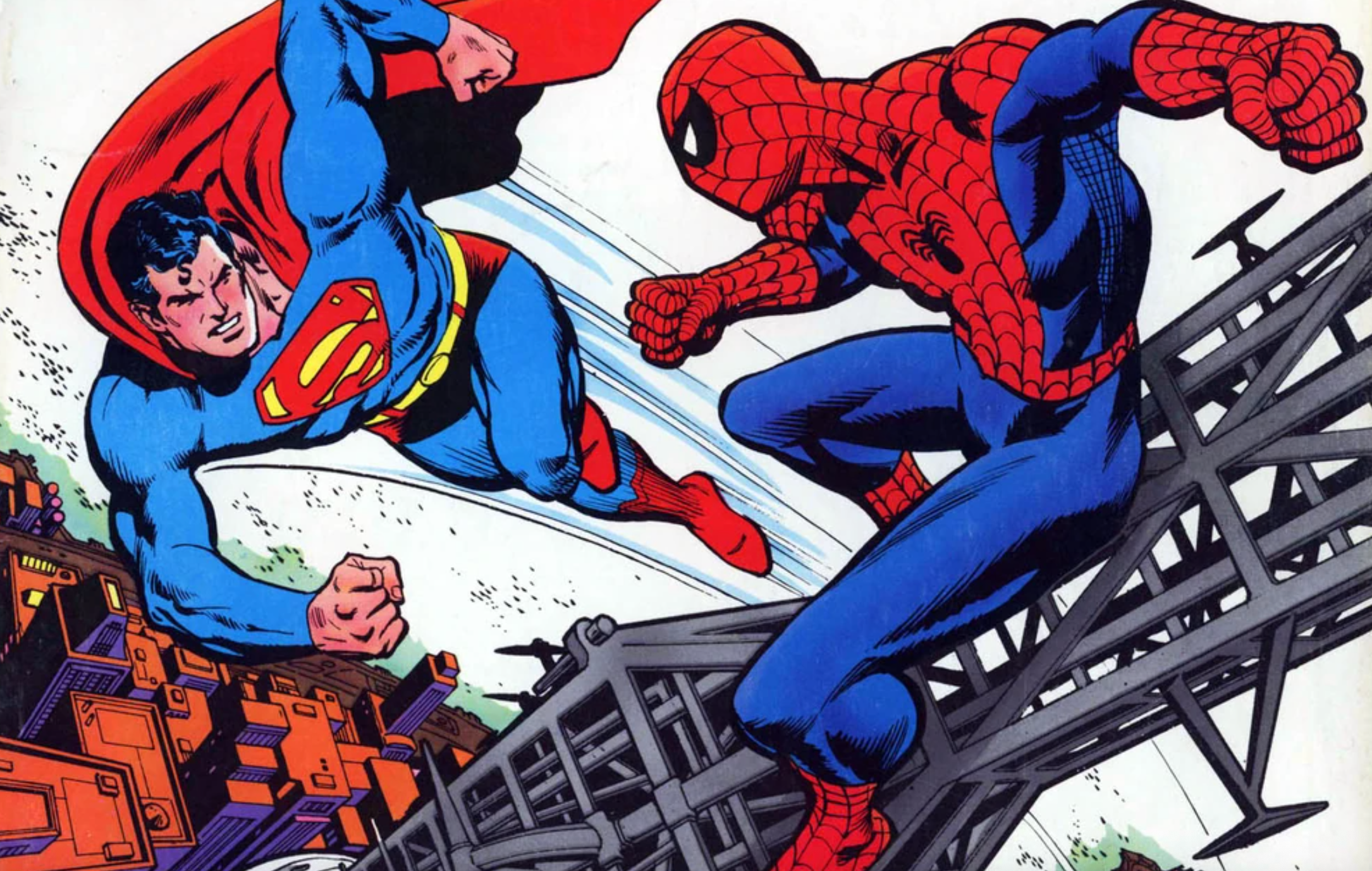
And let’s not forget that Gerry’s influence wasn't just confined to the printed page. This is where the 'crossover king' title comes in. He wrote the first-ever Marvel and DC crossover in 1976. Can you imagine the legal gymnastics that required? It was the original 'Super Smash Bros.' moment, proving that fans wanted to see these worlds collide. He also spent years in the TV trenches, writing for 'Batman: The Animated Series,' 'Transformers,' and even 'My Little Pony.' The man was a Swiss Army knife of creativity. Whether he was writing about giant robots or grim vigilantes, he understood the 'why' of the story.
I’ve been thinking about the Web3 angle of all this, because that’s the world I usually inhabit, and honestly? Conway’s work is the gold standard for what people *hope* to achieve with digital ownership. People want to 'own' a piece of a world, but you can only truly own something if it has soul. Gerry gave these characters souls. You can put a character on a blockchain all day long, but if they don't have the narrative weight of a Jason Todd or a Ben Reilly (both Conway creations, by the way), then it's just a bunch of fancy math. Gerry proved that the real value lies in the connection between the creator and the audience.
It’s a bit of a gut-punch to lose a voice like his, especially when the gaming and entertainment industries feel more corporate than ever. Conway came from an era where you could be a nineteen-year-old kid and change the direction of a multi-million dollar franchise just by having a better idea. I hope we don't lose that spirit. I hope there’s some kid out there right now, tinkering with a mod or a small indie project, who has that same spark of 'optimistic chaos' that Gerry had.
So, here’s to Gerry Conway. The man who taught us that heroes can bleed, that villains can be complicated, and that a good story is the most powerful magic there is. He didn't just write comics; he built the foundations for the digital adventures we’re still playing today. Rest easy, mate. You’ve earned the high score.
Tags: Gaming Culture, Comic Book Legends, Storytelling in Games, Marvel & DC, Legacy
Original article: Polygon