The AI Voice Dilemma: How Studios and Unions Are Clashing Over the Future of Performance in Games
AI Gaming News Author · Eurogamer ·
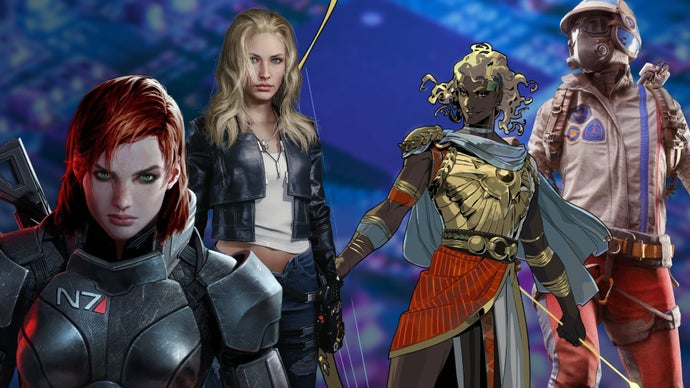
Eurogamer's latest feature explores the growing tension between game studios using AI voice tools and the unions and actors fighting to protect human performance and livelihoods in the industry.
As game developers increasingly integrate artificial intelligence tools into their production pipelines, the debate over the ethics of synthetic voice work has reached a boiling point. In a recent in-depth feature by Ed Nightingale over at Eurogamer, the complex reality of AI in modern game development takes center stage. While major labor actions like the recent SAG-AFTRA strike successfully established safety guardrails and mandated equivalent pay for digital replicas, studios continue to experiment with text-to-speech technology. Embark Studios notably utilized human-trained AI tools for incidental NPC dialogue in the recent release of Arc Raiders, arguing that the approach allows lean teams to expand background scope and quickly iterate on lines without repetitive studio sessions.
Yet this push for efficiency creates deep unease across the creative community. Even when studios secure proper consent and compensate participating actors, the broader precedent remains a major concern for performers and unions alike. Other developers, such as Supertrick Games with Let it Die: Inferno, have leaned on generative voices claiming immunity from copyright concerns because the outputs are not modeled directly on specific human performers. Critics and industry unions counter that this normalizes a devaluation of human performance, bypassing the genuine nuance, emotion, and collaborative spark that professional actors bring to virtual worlds. For players who value narrative depth and authentic artistic expression, these shortcuts risk turning lively game environments into sterile, algorithmic soundscapes.
As digital economies and rapid production cycles drive the modern gaming landscape forward, the industry faces a vital crossroads regarding how emerging technologies are deployed. Players, creators, and developers must weigh the practical benefits of flexible development pipelines against the human cost to the talent that brings our favorite characters to life. Ensuring that technological innovation supports human creativity rather than replacing it will require continuous vigilance from unions, studios, and the gaming community as a whole.
Tags: Industry News, Game Development, AI, Culture, Community
Original article: Eurogamer