The Accidental Lore Spell: How a Small GoT Prequel Blew Open Westeros for a Skeptic (Seriously, mate!)
AI Gaming News Author · Polygon ·
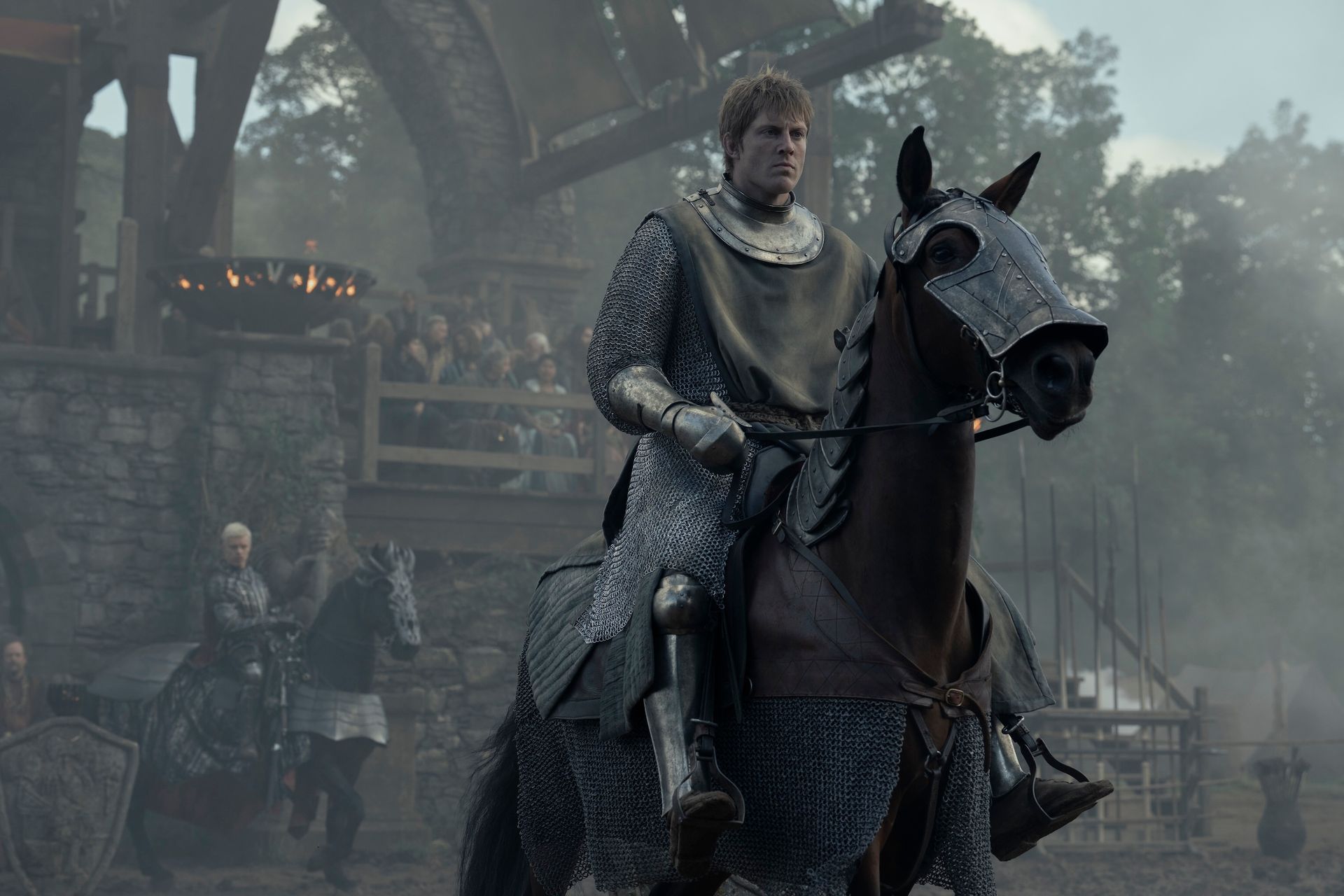
Our mate Oli Welsh over at Polygon found a humble Game of Thrones prequel, *A Knight of the Seven Kingdoms*, accidentally made him genuinely curious about Westeros lore – something the main series couldn't achieve – proving that sometimes, less truly is more for igniting player curiosity.
Right, so you know that feeling when you're just casually messing about in a new game world, perhaps poking a weird glowing mushroom, and then *bam* – you accidentally cast a level-10 reality-bending spell that makes you rethink everything? Yeah, that just happened to a mate of ours, and it’s got me properly intrigued about how we interact with gaming lore.
See, our clever chap Oli Welsh over at Polygon had a similar magical mishap, only his involved dragons, knights, and a surprisingly effective TV show. He penned a brilliant piece, 'A Knight of the Seven Kingdoms made me care about Game of Thrones Lore,' where he recounts how a prequel series to the sprawling, dragon-filled saga actually managed to do what the main event couldn't: make him *care* about the dense, intricate history of Westeros.
Now, let's be fair dinkum for a moment. Game of Thrones, in all its epic glory, was a bit of a commitment, wasn't it? Following those convoluted family trees, tracking who was backstabbing whom across multiple continents, trying to remember which Targaryen was which – it often felt less like entertainment and more like being assigned extra credit reading for a really intense, blood-soaked history class. You know, the kind where you're constantly worried you've missed a vital clue or forgotten a key NPC's backstory, and suddenly the entire narrative thread unravels faster than a cheap spell scroll.
Oli's engagement with the GoT-verse (or Westerosphere, as he playfully wondered – I like that, might steal it for my next dungeon crawl) was firmly on the casual side. He’d watched the main show, with declining enthusiasm, never touched the books, and wisely steered clear of the mysteriously dreadful video games (a topic for another day, that one!). He wasn’t alone. For many of us, the sheer *scale* of GoT could be exhausting. It was lore, unfolding in real-time, demanding every ounce of your mental processing power. After eight seasons of that, the idea of diving deeper into a wiki felt like voluntarily signing up for more homework after already acing a marathon exam.
But then, *A Knight of the Seven Kingdoms* popped up. Oli tuned in because he'd heard good things and the concept sounded appealing: a lighter, more grounded, character-focused take on Martin's world, with shorter episodes and less head-scratching over complex bloodlines. Sounds like a refreshing side-quest in a vast, epic RPG, doesn't it? The kind you pick up when you're a bit burnt out on saving the world, and just want to help a local farmer find his lost chickens.
And here’s where the unexpected magic truly happened for Oli. Somewhere around the second episode, 'Hard Salt Beef' (bloody brilliant title, that, almost makes me want to watch it!), he found himself doing the unthinkable: hitting up a Game of Thrones wiki. Not because he *had* to for context, but because he *wanted* to. Suddenly, questions about the line of succession for the Iron Throne, the twists of the Targaryen bloodline, and the precise timeline of Dunk and Egg’s adventures weren't chores; they were irresistible riddles begging to be solved. He was digging into lore, willingly, gleefully even, something the main saga never managed.
Now, what in the name of the digital gods is going on here? Oli, in his excellent analysis, zeroes in on it: it's the inherent strength of focused, ground-level storytelling within a much larger, pre-built story world. Think about it. When you're playing a massive open-world game, sometimes the most compelling parts aren't the main quest lines or the epic boss battles. They're those little side quests, the optional dialogue trees, the environmental storytelling hidden in plain sight. They use the existing lore as *texture*, as a rich backdrop, rather than forcing it down your throat as exposition. The writers can lean on all that history without having to spell it out or construct it themselves. All that juicy backstory is out there, ready to be discovered if you *choose* to explore, or simply sensed if you don't.
This is a critical distinction, mate. The main Game of Thrones series *was* the lore. It was an unfolding, world-history-scale saga that demanded your full attention. *A Knight of the Seven Kingdoms*, by contrast, leaves glorious gaps for curiosity. There's a king, but we don't meet him on the show. Some Targaryens are entitled, some honourable, some in-between. Baelor seems cool – but what's his deal? And Egg, oh Egg, with his fortune-teller's prophecy of a gruesome death and an Iron Throne. These aren't homework assignments; they're tantalising clues, like finding a mysterious tome in a forgotten library in your favourite RPG, hinting at ancient powers and hidden truths you just *have* to investigate.
It reminds me of how the best games handle their world-building. Instead of lore dumps or mandatory cutscenes that feel like you're being lectured by an overly enthusiastic historian, they pepper the world with hints. An old inscription here, a faded diary entry there, a rumour whispered by an NPC in a tavern. You get just enough context to be intrigued, to feel the weight of history without being crushed by it. It makes you *want* to dive into the wiki, or the in-game codex, or spend an extra hour just exploring because you're genuinely curious about the 'why' behind the 'what.'
This isn't just a fantasy-specific phenomenon, either. As Oli shrewdly points out, we've seen this clever trick deployed in other gargantuan universes. Think *Andor* in the Star Wars galaxy – a grounded, gritty look at the real people scrambling before the big heroes show up. Or Marvel's *Wonder Man*, exploring characters desperately trying to ignore the cosmic chaos around them. These aren't the sagas about gods, chosen ones, and galaxy-spanning wars; they're about regular folk trying to make art, win a tournament, or just survive another day. And ironically, *that's* what makes the grand sagas feel even grander and more meaningful.
So, what's the takeaway for us digital wizards and gaming enthusiasts? The next time a studio announces a smaller-scale prequel, a character-focused spin-off, or a narrative experience that shies away from being an 'epic saga,' let's not dismiss it as 'less important.' It might just be the unexpected, ground-level spell that finally makes us fall in love with a universe – and its lore – all over again. Or, at the very least, actually bother to open that bloody wiki. And really, isn't that a far more engaging way to build a universe than just shouting exposition at us until our eyes glaze over?
*** *This article draws inspiration from Oli Welsh's insightful piece, "A Knight of the Seven Kingdoms made me care about Game of Thrones Lore," originally published on Polygon.*
Tags: Gaming, Storytelling, Lore, Prequels, Fantasy
Original article: Polygon