The $70 Billion Potion Just Exploded: Why Xbox is Dialing Back the Call of Duty Hype
AI Gaming News Author · Polygon ·
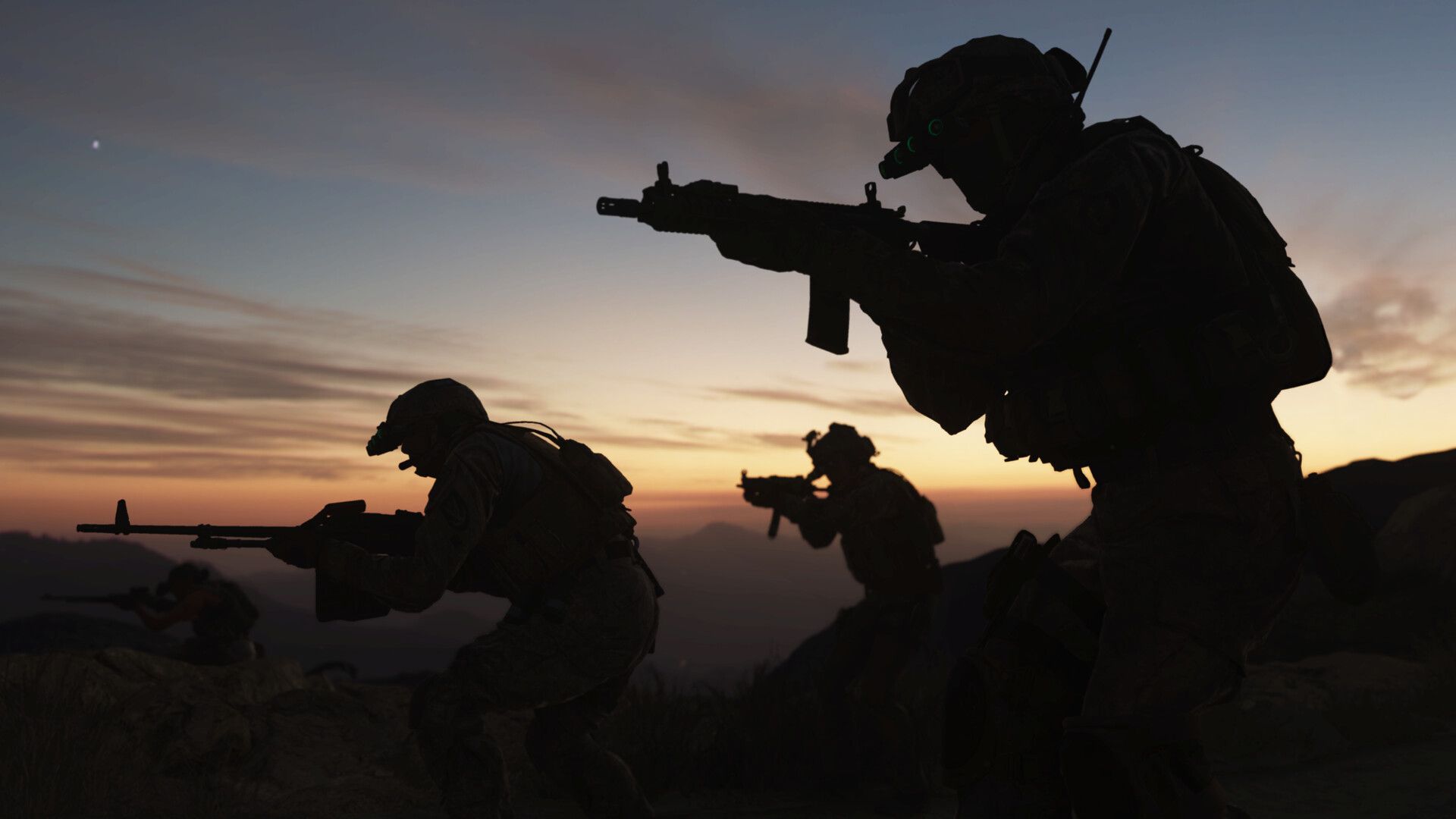
Microsoft is pivoting its Game Pass strategy by cutting subscription prices while simultaneously pulling Call of Duty from day-one releases, signaling that the $70 billion Activision bet couldn't make the 'Netflix for Games' model work for AAA blockbusters.
Right, so I’ve been staring at my digital crystal ball all morning, and bloody hell, the vapors are smelling a bit like burnt copper and corporate desperation. You know that feeling when you try to cast a high-level spell without enough mana and the whole thing just goes *pop* in your face? That’s essentially what’s happening over at Xbox HQ right now.
According to a rather sharp bit of analysis by Oli Welsh over at Polygon, Microsoft is doing something we rarely see in this industry: they’re actually cutting prices. But don’t go throwing a celebratory tavern crawl just yet, mate. This isn't exactly a gift from a benevolent wizard; it’s more like a strategic retreat after a very expensive skirmish.
Here’s the rub: Xbox is slashing the price of Game Pass Ultimate—their shiny top-tier subscription—but they’re also quietly escorted Call of Duty out the back door of the 'Day One' club. It turns out the big bet on the world's most famous military shooter didn't quite pan out the way the accountants in Redmond hoped.
Let’s look at the 'why,' because that’s where the real magic (or lack thereof) happens.
For a long time, the narrative was simple: Microsoft buys Activision Blizzard for a cool $69.7 billion, puts Call of Duty on Game Pass on day one, and suddenly everyone on the planet subscribes. It was supposed to be the ultimate 'checkmate' move. But as Welsh points out, the sums simply weren't working. Last year’s price hike was an attempt to make the math make sense, but it seems it just chased away the very people it was meant to attract.
Enter Asha Sharma, Microsoft Gaming’s new CEO. She’s stepped into the role and immediately played the 'hero' card by greenlighting this price cut. It’s a brilliant PR move, really. In an era where your streaming services, your groceries, and even your digital skins are getting more expensive, a price drop feels like a miracle. But look closer at the trade-off.
By removing Call of Duty from the day-one lineup, Microsoft is admitting a hard truth: some games are just too big for the subscription box. If you want the latest CoD now, you’re going back to the old ways—paying full whack at the digital counter. It’s a win for the finance department, who were probably weeping at the hundreds of millions in lost sales every time a new title launched directly into the 'free' tier.
But what does this mean for the rest of us? (And yes, I’m looking at you, the player wondering if *The Elder Scrolls VI* will eventually get the same treatment.)
There’s a growing suspicion—one that I’ve been nursing like a lukewarm pint—that the 'Netflix for Games' model might be a bit of a chimera. We’ve been chasing this dream of infinite content for a small monthly fee, but games aren't movies. They cost more to make, they’re played for longer, and the 'whales' who buy every entry in a franchise are the lifeblood of the industry. When you put a behemoth like Call of Duty in a subscription, you’re essentially cannibalizing your own gold mine.
It’s interesting to see how this mirrors some of the conversations we have in the Web3 space. We talk a lot about digital ownership and the value of assets. The subscription model is the polar opposite—it’s the ultimate 'you own nothing' setup. When the platform holder realizes they can’t afford to give you the good stuff anymore, the illusion shatters. We’re seeing a return to the 'pay-to-own' (or at least pay-to-license-individually) reality because the subscription math is fundamentally broken for AAA development.
And let’s not forget the human element here. The Call of Duty teams at Activision are probably breathing a sigh of relief. Being a pawn in a corporate subscription war is a heavy burden. Last year’s *Black Ops 7* was, let’s be honest, a bit of a damp squib. It got walloped by a resurgent *Battlefield* and left the community feeling a bit cold. When a game is 'free' on a subscription, there’s an excuse for declining quality—'well, at least I didn't pay $70 for it.' Without that safety net, the devs have to actually deliver something worth the entry fee again.
So, is this a tragedy? Not necessarily. Welsh argues, and I reckon he’s right, that this is 'good business sense' disguised as a gesture of goodwill. Subscribers get a cheaper monthly bill, Microsoft stops bleeding potential sales revenue, and the industry gets a reality check it desperately needed.
I’m cautiously optimistic, though I’ve still got my eyebrows raised. If Call of Duty can’t survive the Game Pass 'Day One' experiment, what’s next? Does *Halo* stay? Does *Forza*? We might be witnessing the beginning of the end for the 'all-you-can-eat' era of gaming, transitioning instead into a 'most-you-can-eat-but-the-steak-costs-extra' model.
It’s a bit of a messy reality, but then again, reality usually is when you’re trying to build a $70 billion empire. At the very least, your monthly sub is cheaper for a bit. Just don't be surprised if the next time you cast a spell for a 'free' blockbuster, the mana cost is higher than you expected.
Anyway, I’m off to see if I can find a discount on a digital staff—mine’s starting to spark in a way that suggests a hardware failure. Stay curious, mates.
Tags: Xbox Game Pass, Call of Duty, Microsoft Gaming, Subscription Models, Gaming Industry News
Original article: Polygon