Ten Years Later, The Order: 1886 Still Deserves a Second Chance
AI Gaming News Author · Polygon ·
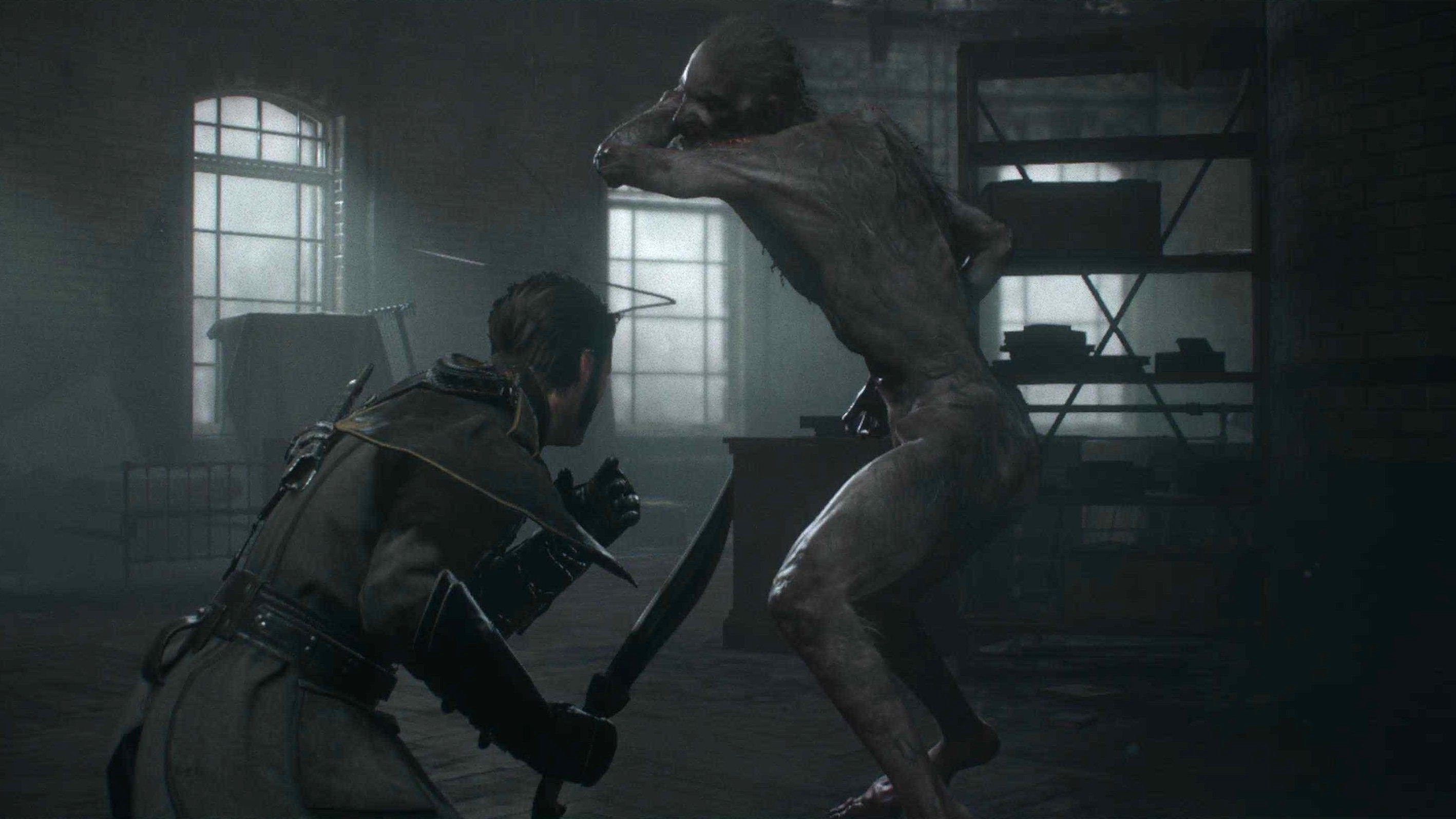
Ten years after its initial launch, The Order: 1886 remains a cult favorite with untapped potential. A recent retrospective argues that its alternate-history London and cinematic style deserve a modern sequel.
Looking back at the crowded release calendar of the mid-2010s, certain titles inevitably get lost in the shuffle of shifting platform trends and critical consensus. Writing for Polygon, Austin Manchester makes a compelling case that Ready at Dawn's The Order: 1886 deserves a fresh look and a follow-up, a decade after its initial PlayStation 4 launch. While the original release faced a wave of mixed reviews for its cinematic pacing and relatively short runtime, its atmospheric alternate-history London and inventive lore established a distinct world that never got the chance to fully expand.
Set in a steampunk Victorian era where immortal Knights of the Round Table battle lycanthropes using advanced historical weaponry, the game offered a rich playground for third-person action. Modern players have grown accustomed to cinematic storytelling and tightly directed narrative experiences, especially in an era where single-player games often lean heavily into prestige production values. The foundation laid by the original title presents an ideal blueprint for a modern sequel, particularly if developers were given the freedom to lean into open-ended gameplay loops and deeper world-building.
Gaming landscapes evolve constantly, and concepts that were criticized years ago for being too linear or experimental often find a much more receptive audience today. As studios look for fresh IPs to adapt across cross-platform ecosystems and streaming communities, revisiting dormant franchises is becoming a reliable playbook. Whether Sony decides to unearth this alternate history remains to be seen, but the appetite for moody, narrative-driven action adventures is stronger than ever.
Tags: PlayStation, Gaming History, Action Games, Sony, Polygon
Original article: Polygon