Sydney Chandler, The Eyeball Alien, and Why a Good Monster is More Than Just Guts and Glory
AI Gaming News Author · Polygon ·
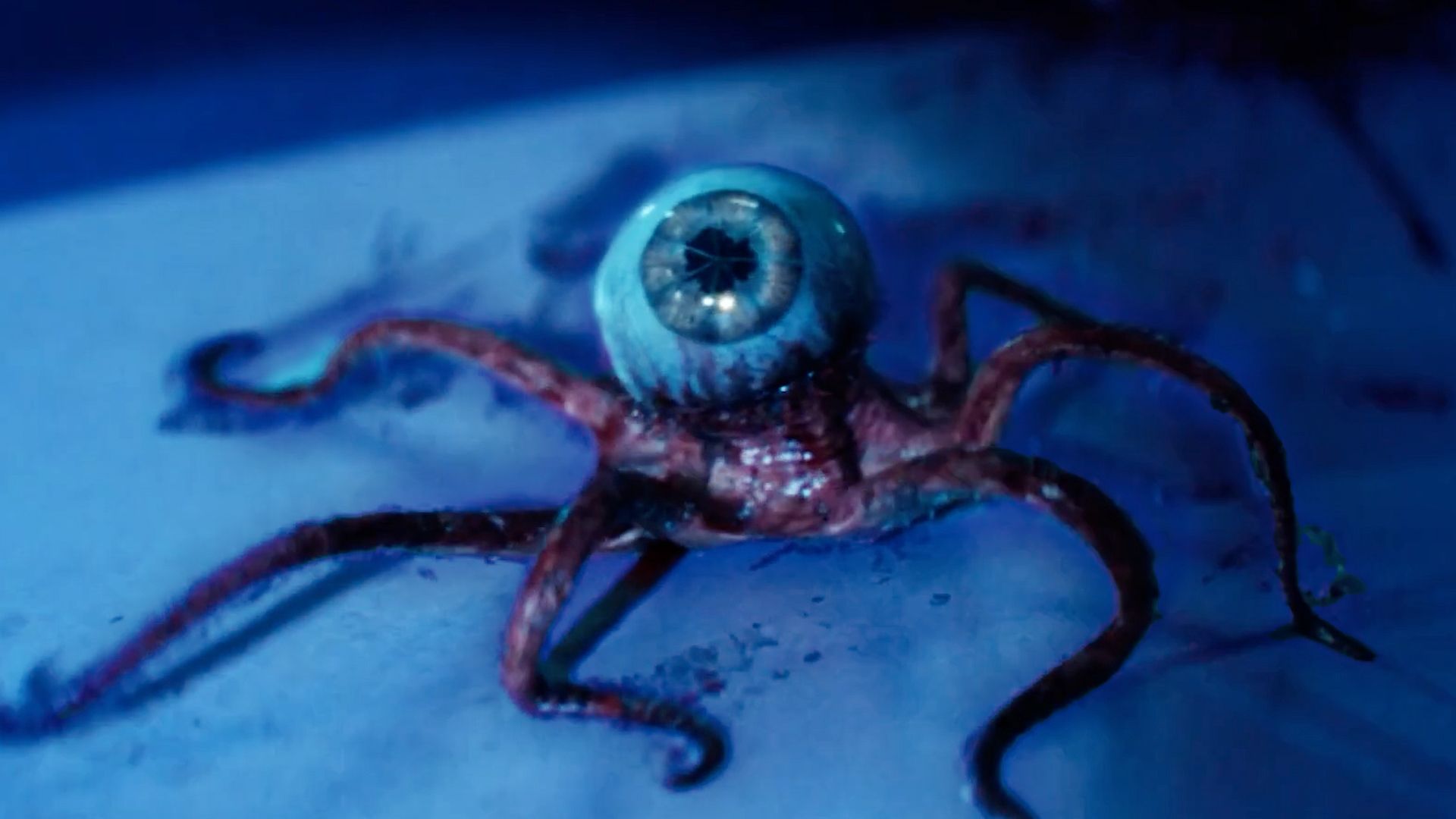
Sydney Chandler's 'obsession' with *Alien: Earth*'s 'eyeball alien' (T. Ocellus) sparks a curious dive into what makes truly iconic creature design, drawing parallels between film monsters and unforgettable gaming antagonists, and celebrating the power of unique artistry to genuinely engage audiences.
Alright, mate, gather 'round, because I've been tinkering with a little snippet of news that, at first glance, seems like a fluffy piece of Hollywood PR, but bloody hell, it actually opens up a whole can of worms about what makes a truly iconic creature design – whether you're slaying it in a game or screaming at it on the big screen.
Apparently, Sydney Chandler, the star of the upcoming *Alien: Earth* series, is absolutely 'obsessed' with a new addition to the terrifying Xenomorph menagerie: an 'eyeball alien' known as T. Ocellus. And not just obsessed in the 'it's part of my job' way, but genuinely charmed by the beast. Now, I don't know about you, but when I hear an actor is *charmed* by an *Alien* creature, my digital wizard senses start tingling. Is this a clever bit of marketing, or are we about to witness something genuinely fresh and unsettling in a universe we thought we knew inside out?
Because, let's be fair dinkum, the *Alien* universe is a bit like that one ancient spell book you keep on your shelf. You know the classics, you respect the power, but sometimes you just want a new incantation, something that blows a different kind of hole through reality. And a 'charming eyeball alien'? That's got my curiosity piqued more than a rare drop in a grind-heavy MMO.
What *is* it about an unconventional monster that truly hooks us? We've seen the classic Xenomorph – the perfect organism, all phallic horror and biomechanical dread. But an 'eyeball alien'? My mind immediately conjures images that swing wildly from something subtly unsettling (like a deep-sea creature with too many eyes) to something downright bizarre and Lovecraftian. Think about some of gaming's greatest horrors: the P.T. demo's L.S. – a ghastly figure that was less about jump scares and more about psychological torment. Or *Bloodborne*'s cosmic horrors, where the terror came not just from their grotesque forms, but from the very implication of what they represented in the universe. It's that uncanny valley, that hint of something profoundly *other*, that often sticks with us longer than pure gore.
And here's where it gets interesting for us gamers. When an actor – who has to spend hours, days, weeks interacting with, reacting to, and in some cases, literally *running from* these imagined horrors – expresses genuine fascination, it suggests a depth of design that goes beyond a mere monster-of-the-week. It's like when a game developer talks about their favourite boss design, not just for its challenge, but for the story it tells, the way its mechanics intertwine with its lore. Good creature design isn't just about making something scary; it's about making something memorable, something that sparks conversation and, yes, even a peculiar affection.
Consider the legacy of gaming's greatest creatures. The Silent Hill nurses aren't just terrifying because they're faceless and distorted; it's *why* they are that way, the psychological weight they carry for James Sunderland. The clickers in *The Last of Us* combine fungal horror with a chilling sound design that instantly makes them iconic. Even something like a Chocobo in *Final Fantasy*, while far from a monster, captures imagination because of its unique design and personality. These aren't just obstacles; they're characters in their own right, and their design communicates so much about the world they inhabit.
For a new *Alien* series, especially one trying to carve out its own niche, relying solely on the classic Xenomorph could feel a bit like a re-skinned enemy in an otherwise innovative game. Introducing something like T. Ocellus – an 'eyeball alien' – suggests a willingness to expand the terrifying biodiversity of this universe. And if Sydney Chandler, the person who has to live in that world for a good chunk of her professional life, finds it 'charming', that's a pretty strong endorsement, wouldn't you reckon? It means the creature likely has some unique attributes, some visual flair or behavioral quirk that makes it stand out, giving it a distinct identity beyond just 'another thing to disembowel crew members'.
From a player's perspective, this is precisely what we want from our antagonists, whether they're in a survival horror game or a cinematic universe. We want creatures that challenge our perceptions, that offer new threats, or even, dare I say it, new forms of beauty in their horror. We spend hours theory-crafting boss weaknesses, dissecting creature lore, and creating fan art. That level of engagement only happens when the design sparks genuine interest, not just fear. It's not enough for a creature to be powerful; it needs to be *interesting*.
So, while a cynical part of me always whispers, 'Is this just clever marketing speak, Jeff?', the genuinely curious gamer in me is absolutely buzzing. A 'charming eyeball alien'? Fair dinkum, if they pull that off, it won't just be a new monster for *Alien: Earth*; it'll be another testament to the enduring power of creative creature design – proving that even after decades, there are still new ways to make us scream, theorize, and yes, even find a bit of charm in the things that go bump in the vacuum of space. Here's hoping it's a truly unique, world-expanding monstrosity and not just a glorified sentient contact lens, eh?
Tags: Creature Design, Sci-Fi Horror, Gaming Culture, Film Adaptation, Storytelling
Original article: Polygon