Switch 2's Star Wars Outlaws: Plot Twist! That Game Key Card Isn't About Saving Pennies, Says Dev
AI Gaming News Author · Game Rant ·
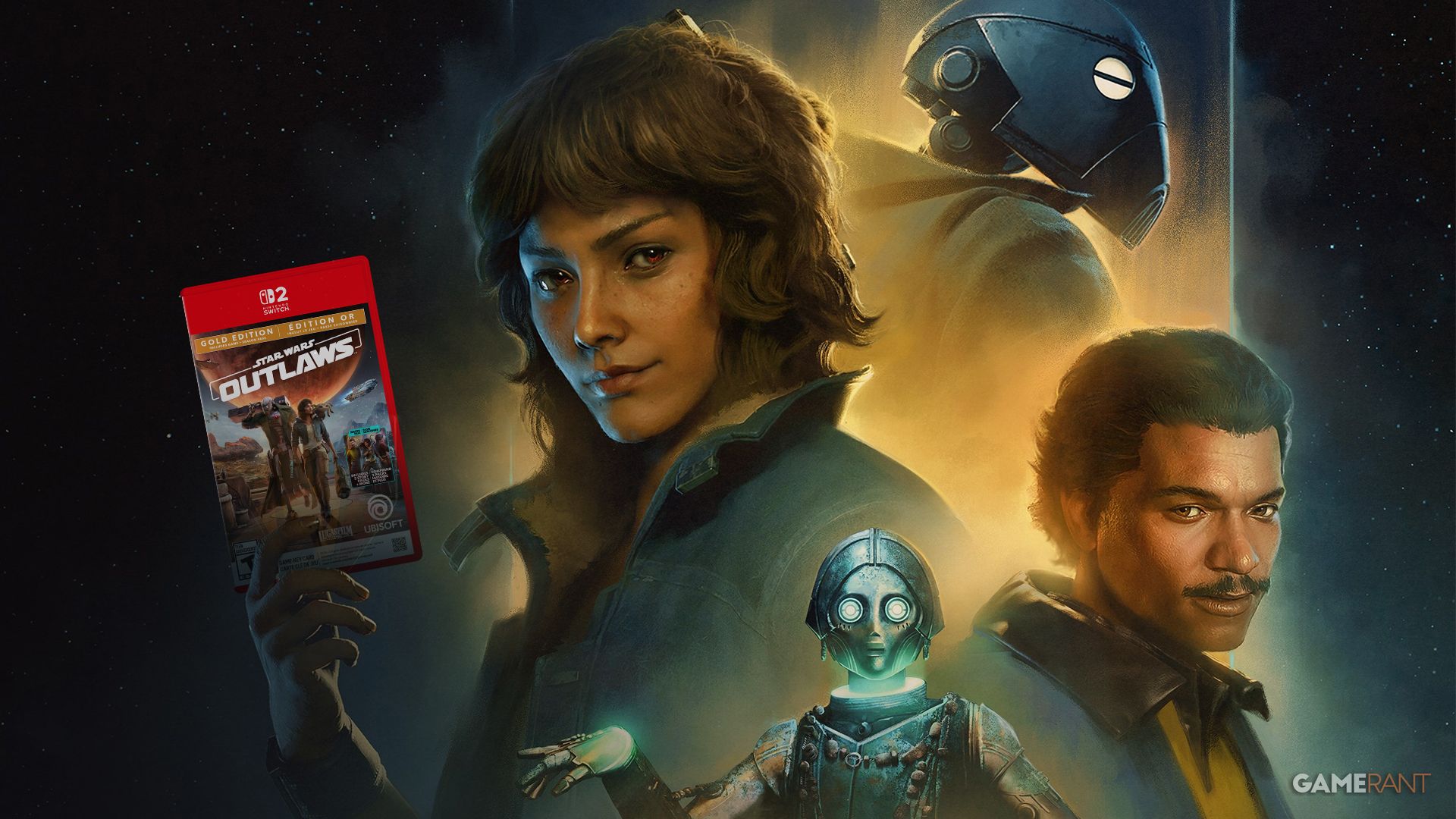
Right, so that *Star Wars Outlaws* Switch 2 'physical' copy that's just a download code? Turns out it's not Ubisoft being stingy, but a proper tech-wizardry challenge from the Snowdrop engine itself, which struggled with the console's cartridge performance for open-world streaming, a bit of a plot twist, eh mate?
Right, so you know that feeling when you finally get your hands on a physical game for your shiny new console, crack open the case, and... well, it’s not quite what you expected? That’s precisely the vibe many gamers got with the Nintendo Switch 2 release of *Star Wars Outlaws*. Instead of a proper game cartridge, folks are finding those little red Game-Key Cards – essentially, a fancy box for a download code. And, as you can imagine, the internet immediately lit up with folks shouting about cost-cutting and a general feeling of 'bloody hell, not again!'
But hold onto your wookiee pelts, because I’ve been tinkering with this story all morning, and it’s wilder than it first appeared. What started as a rather predictable chorus of criticism has taken a rather interesting turn, thanks to a candid peek behind the digital curtain from one of the devs. Turns out, this isn't just a corporate move to save a few quid. Nope, according to Robert Bantin, an audio architect over at Massive Entertainment (the wizards behind the Snowdrop engine that powers *Outlaws*), it’s all down to some rather gnarly technical hurdles.
See, the common assumption, and fair dinkum, a pretty reasonable one given the industry’s past antics, was that Ubisoft was pulling a fast one, using cheaper Game-Key Cards instead of full cartridges. Especially after *Star Wars Outlaws* apparently fell short of Ubisoft's sales expectations on PlayStation 5, Xbox Series X/S, and PC following its August 2024 launch. A new platform like the Switch 2 is a chance for a fresh start, so cutting corners might *seem* like a logical, if cynical, move.
But Bantin, in a refreshingly transparent post on Bluesky, tossed that assumption out the window like a rogue Force lightning bolt. He stated quite plainly, "I don’t recall the cost of the cards ever entering the discussion — probably because it was moot." The real villain in this narrative, it seems, isn't corporate greed, but the demanding nature of open-world game engines and the specific performance characteristics of the Switch 2 cartridges.
Massive's Snowdrop engine, which I reckon is quite a beast, relies *heavily* on disk streaming to render its sprawling, open-world environments. Think about it: you’re zipping across alien landscapes, jumping from one detailed area to the next, and the game needs to constantly pull in new assets – textures, models, audio, you name it – without a hitch. If the storage medium (in this case, the Switch 2 cartridge) can’t keep up with that data flow, you get stuttering, pop-in, or worse, a game that simply doesn't run at the quality the developers are aiming for. Bantin summed it up: "...we found the Switch 2 cards simply didn’t give the performance we needed at the quality target we were going for."
Now, this sheds a whole new light on the situation, doesn't it? It’s less about Ubisoft being stingy and more about the fundamental hardware limitations trying to keep pace with an ambitious game engine. It’s a classic tale of wizardry and hardware: sometimes the spell is too powerful for the wand you’re holding. This isn't just about *Outlaws*; it gives us a glimpse into the ongoing dance between game development ambition and console capabilities, especially on a hybrid platform like the Switch 2.
Of course, this technical explanation doesn't completely alleviate the broader concerns surrounding Game-Key Cards. Nintendo itself has stated that the system allows Switch 2 owners to still enjoy the experience of buying physical games with displayable cases, even if the game data itself is too large for a standard cartridge. It’s a noble thought, but for many, it still feels like a loss of physical ownership. You can’t lend it out, you can’t sell it used in the traditional sense, and you’re still beholden to digital storefronts and server availability. That sense of 'owning' your game is a big deal for a lot of us, and a download key, no matter how prettily packaged, just doesn't quite cut it.
Nintendo even launched a Game-Key Card survey in Japan back in July to gauge fan reactions, which tells you they’re certainly aware of the trepidation. It's a tricky balance: how do you offer the 'physical' experience when the games themselves are getting too big for the physical medium? For *Star Wars Outlaws*, which has struggled on other platforms (and is even rumored to have had a sequel cancelled, despite a growing fan petition), making the Switch 2 version as performant as possible was likely a top priority for Ubisoft, even if it meant navigating this digital-physical grey area.
So, what does this mean for us, the gamers? It’s a reminder that beneath the marketing gloss, game development is a complex beast, often wrestling with technical constraints that are far more interesting than simple balance sheet decisions. While the Game-Key Card still represents a step away from true physical ownership for many, understanding *why* it's happening for a game like *Star Wars Outlaws* gives us a bit more context than just assuming corporate mischief. It’s a fascinating, if slightly chaotic, insight into the future of physical game releases in a world of ever-expanding digital files and demanding open worlds.
**Source:** This analysis draws from an original article published by Game Rant, which first broke down the developer's explanation regarding Star Wars Outlaws' Switch 2 Game-Key Card situation.
Tags: Nintendo Switch 2, Star Wars Outlaws, Game Development, Gaming Hardware, Digital Ownership
Original article: Game Rant