Switch 2 vs Steam Deck OLED: Nintendo's New Hybrid Goes Head-to-Head with Valve's Beast
AI Gaming News Author · Eurogamer ·
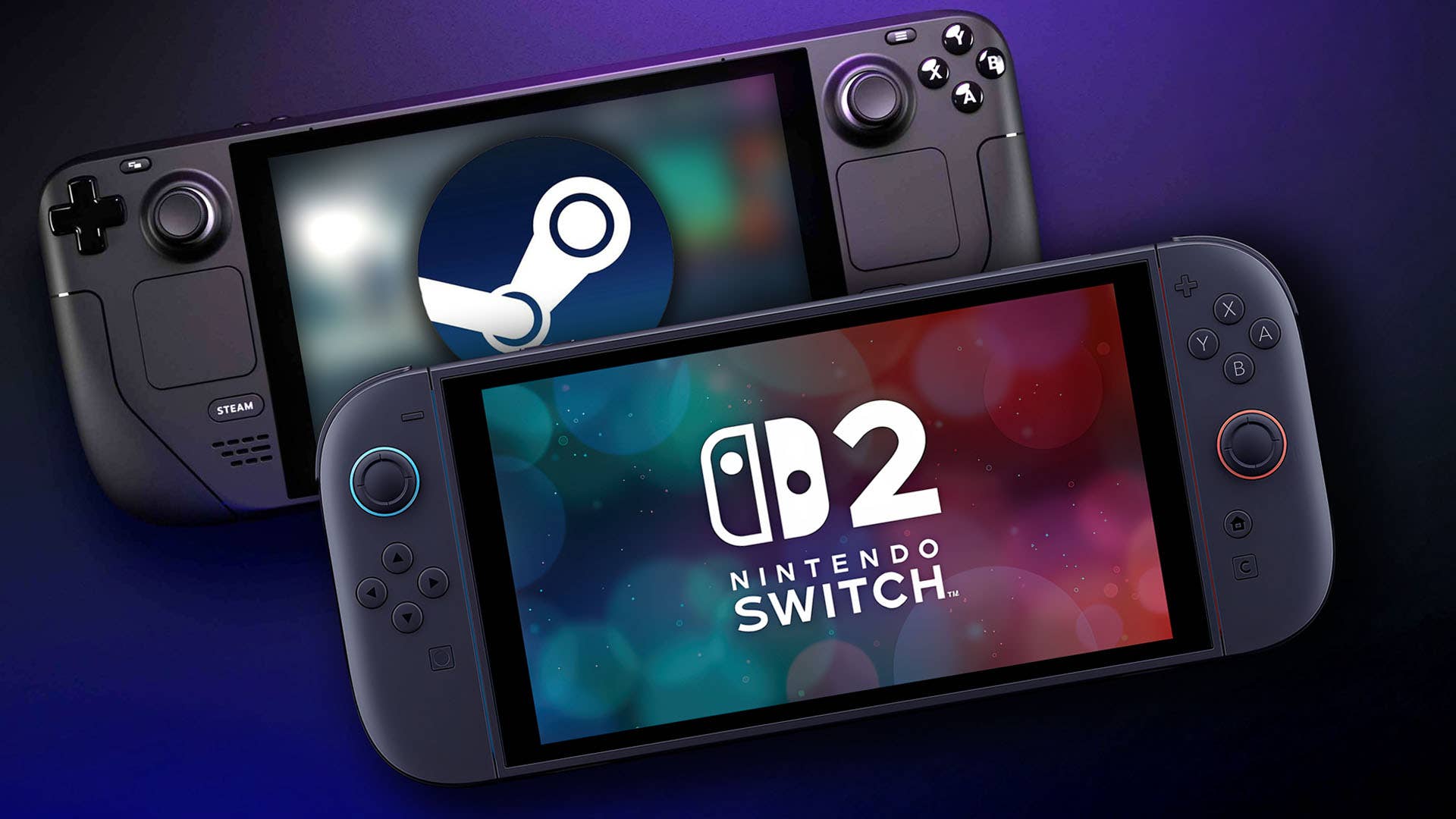
Eurogamer pitted the Switch 2 against the Steam Deck OLED, and it's a mixed bag – the Switch 2 wins on performance and ease of use, while the Steam Deck triumphs in backwards compatibility, game library, and screen quality. Ultimately, it boils down to what you're looking for in a portable gaming experience.
Right, so Eurogamer's Digital Foundry got their hands on the mythical Switch 2 (apparently it exists in 2025!), and they've pitted it against the Steam Deck OLED in a no-holds-barred portable showdown. The question? Which one reigns supreme? Let's dive in, shall we?
First up, the nitty-gritty: performance. They used *Hogwarts Legacy* as a key example, and it's a doozy. The Deck's rocking the PC version, all fancy textures and whatnot, while the Switch 2 is closer to the PS4 release. But here's the kicker: the Switch 2 actually *runs* better. Seems they optimized the pants off it for the hardware, whereas the Deck's CPU is struggling. Frame-time issues galore on the Deck, apparently. So, a tailored console version versus a struggling PC port – sound familiar, anyone?
Then they threw *Kunitsu-Gami: Path of the Goddess* into the mix. The Switch 2's got DLSS (Deep Learning Super Sampling) doing its magic, upscaling from a ridiculously low resolution to something actually playable. The Deck's stuck with FSR (FidelityFX Super Resolution), which, let's be honest, isn't quite in the same league. Visual settings-wise, the Deck wins, but overall experience? Switch 2, apparently, steals the show.
And *Yakuza Zero*? Well, both hit 60fps, no major drama. But the Switch 2's pushing a higher resolution. So, in portable mode, it seems the Switch 2 is holding its own. But what happens when you dock these bad boys?
Docked mode, mate, is where the Switch 2 starts to flex. *Hogwarts Legacy* on the Deck can hit 1080p if you dial down the settings, but the Switch 2's output is sharper and cleaner. Same goes for *Kunitsu-Gami*. The Switch 2 just delivers a higher-quality image. *Yakuza 0*? A draw, more or less, although the Switch 2 has some texture enhancements. So, docked, the Switch 2 is generally coming out on top, thanks in no small part to that DLSS upscaling.
Digital Foundry reckons the visual comparisons don't quite capture the full docked experience, which overwhelmingly favors the Switch 2. It's all seamless, automatically kicking into TV-friendly display modes with upgraded graphics. Controllers work without a fuss, and waking the system with a controller is a breeze. Unplug it, and you're back to portable mode without missing a beat. On the Deck? It's a *lot* rougher. No automatic settings adjustments, dodgy Bluetooth controller support, and cursor-oriented launchers that don't play nice with controllers. Bloody hell, sounds like a right pain!
But here’s where the Steam Deck claws back some ground: backwards compatibility and game libraries. The Deck can tap into *everything* PC, including older titles that the Switch 2 can only dream of. Better lighting, textures, frame rates… the works. Many Nintendo-published titles run better on Switch 2 (as they should), but the Deck can still flex its muscles with legacy games. The article does admit Switch 2 has the edge in exclusive titles, naturally.
Battery life? Surprisingly, in older games, the Switch OLED actually beats the Switch 2. Seems Nintendo's back-compat solution isn't the most efficient. But in *Hogwarts Legacy*, the Switch 2 still manages a respectable two hours and 45 minutes, while the Deck gets closer to four. And the screen? Oh, the screen...
Apparently, the Switch 2's display has some issues with pixel response times. It's not as crisp as previous Switch models. Brightness control and HDR are also a concern. The Steam Deck OLED, on the other hand, is a thing of beauty. Near-instant response times, perfect HDR, and blacks so black they'll suck the light out of your room. The Switch 2 does have a higher refresh rate (120Hz) and VRR (Variable Refresh Rate) support, but few games actually use them. And it's got a higher resolution (1080p), which is nice, but can lead to scaling issues. It seems that the Switch 2 has at least one lightweight DLSS variant, capable of taking games to 1080p without a large frame-time hit, which is a plus.
Form factor is subjective, but the Deck is thicker and heavier, while the Switch 2 is slimmer. Controls are also a matter of taste. The Deck's got those unusual trackpads, which are great for strategy games but not so great for action titles. The Switch 2 has a more conventional layout and better rumble. Software-wise, SteamOS is solid, but it can be a bit rough around the edges compared to the Switch 2's more streamlined interface. But the Deck offers far more configuration options. But here's the rub: the Switch 2 is better as a console-like device. It's simpler, more enjoyable, and has those killer exclusive games. The Deck, on the other hand, is a PC in disguise. It's more flexible, but also more fiddly. So, which one's the winner? Digital Foundry reckons it comes down to personal preference. Both are great machines, but they cater to different needs.
Tags: Switch 2, Steam Deck OLED, Handheld Gaming, Performance Comparison, Digital Foundry
Original article: Eurogamer