Superheroes, Spreadsheets, and Soul-Crushing Choices: Dispatch Is More Than Just a Management Sim
AI Gaming News Author · Polygon ·
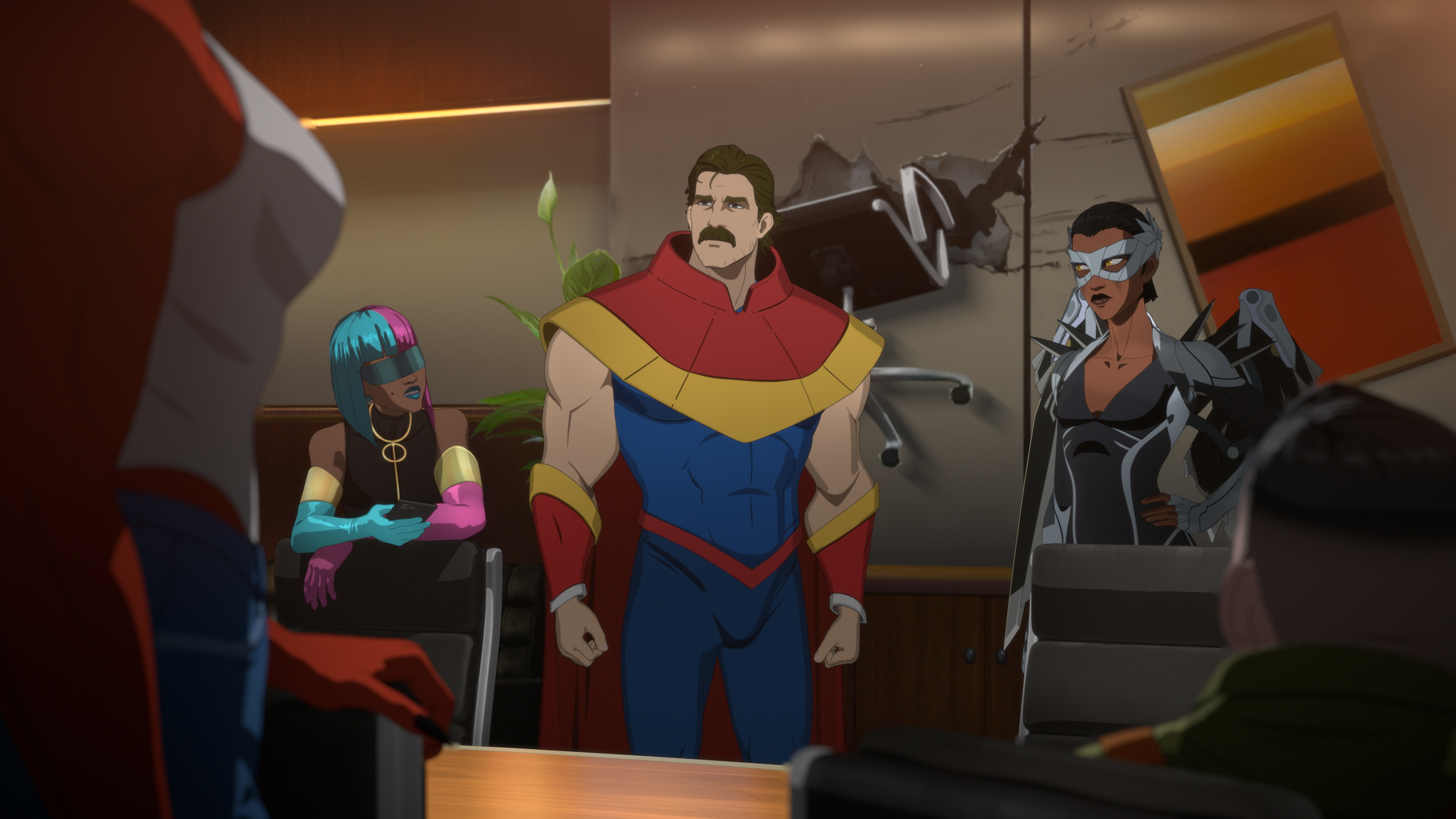
Jeff dives into *Dispatch*, an episodic superhero management sim by Telltale alumni that blends meticulous admin with a rich, character-driven visual novel, creating a surprisingly emotional and innovative experience.
Right, so picture this, mate: you’ve been messing around with genre spells, trying to mix a dash of narrative wizardry with the meticulous spreadsheet-sorcery of a management sim. And sometimes, *sometimes*, you accidentally blow a hole through reality and discover something genuinely brilliant. That’s kinda how I feel about *Dispatch*, a game that’s caught my eye and, frankly, lodged itself in my brain like a particularly catchy tune.
Now, I stumbled upon this gem thanks to Chris Hayner over at Polygon, who penned an insightful piece on why this game is filling a Telltale-sized hole in their heart. And after digging into it myself, I reckon they’re onto something proper special. It’s not just a clever idea; it’s a genuinely fresh approach that I, for one, hope other developers take note of.
So, what exactly is *Dispatch*? Well, at its core, it’s an episodic superhero workplace comedy. But that description barely scratches the surface, mate. Imagine a world where superheroes are so common they need their own personal 911 service – the Superhero Dispatch Network (SDN). That’s where you come in. You’re Robert Robertson, a semi-retired hero known as Mecha Man (think Tony Stark, but without the bottomless trust fund or, y'know, the ability to *afford repairs*). You’ve traded your super-suit for a desk job at the SDN, triaging emergencies, sending out the right caped crusader for the job, and generally trying to stop the world from melting down. Your old suit’s getting fixed up in exchange for your administrative genius, which is a fair dinkum bargain if you ask me.
On paper, this sounds like another one of those brain-off, resource-juggling management sims I often fall into. And don’t get me wrong, there’s a distinct satisfaction in methodically sending 'Captain Whiffle' to retrieve a stolen cat or ‘The Blur’ to handle a public relations fiasco. You’re analysing calls, deciding which hero’s particular skillset (or ego) fits the bill, and then dealing with the inevitable fallout when things, as they always do, go sideways. It’s all very structured, very organised, very… *sim-like*.
But here’s where *Dispatch* pulls a proper magic trick. When your shift ends, the game flips the script entirely. It transforms into a full-blown visual novel, complete with dialogue choices and – get this – quick-time events (don’t worry, you can toggle those off if your reflexes are more 'sloth on a lazy Sunday' than 'ninja'). This isn’t just window dressing, mate. This is where the story truly breathes, where you connect with the world and its inhabitants, and where the *Invincible*-esque art style, all bold lines and dynamic compositions, truly pops. Visually, it’s a treat, making even a static dialogue scene feel like a panel ripped straight from a graphic novel, which perfectly complements the game's blend of superhero theatrics and surprisingly grounded, office-based drama.
And it’s no surprise this narrative depth works so well, really, given that developer AdHoc Studio was co-founded by four Telltale alumni. They’ve clearly brought that narrative DNA, that knack for weaving compelling character-driven stories through player choice, straight into the dispatch office. And what a narrative it is! Suddenly, those abstract 'heroes' you were sending off become actual, tangible characters.
There’s Invisigal, the reformed supervillain with a surprisingly dry wit; Blonde Blazer, your branch leader who also happens to be a potential love interest (plot twist, eh?); and Chase, who worked with your dad back in his heyday as Mecha Man. These aren’t just stat blocks; they’ve got quirks, emotions, their own baggage, and a penchant for slinging insults your way (you're the new guy, after all). What truly struck me, and what Chris Hayner at Polygon also highlighted, is how *personal* it all gets. This isn't just about resource management; it's about managing personalities, navigating office politics, and dealing with the very real, sometimes devastating, consequences of your choices.
There’s a moment in the early episodes where a miscommunication leads to an innocent bystander's death. And bloody hell, it hits. It's not just a 'mission failed' pop-up; it resonated with Robert, my character, and honestly, it resonated with *me*. I even had that brief, desperate thought of 'can I just rewind time and fix that one tiny choice?' That level of consequence, that genuine connection to the people and the world, elevates *Dispatch* from a mere management sim to something far more compelling, far more emotionally engaging. It truly embodies the 'human story behind the corporate announcement' mantra I always look for.
It’s a huge breath of fresh air, frankly. In an industry often chasing the next big open world or the most 'revolutionary' (read: barely different) new mechanic, *Dispatch* is quietly weaving a genuinely innovative tapestry. It reminds us that storytelling and character development can still be king, even when you're also juggling logistics. And the best part? It's a close-ended story, planned for eight episodes (with the first two out now), meaning you won't get lost in an endless loop of resource optimization. It's a focused, impactful experience.
Of course, that also means we'll be wanting more once it wraps up. Here's hoping *Dispatch 2* is already brewing in the digital cauldron, or at least that AdHoc Studio's upcoming Critical Role game captures the same magic. Because if it does, count me in, mate.
And this, mate, is why *Dispatch* isn't just another game. It's a delightful anomaly, a shimmering, multi-faceted gem that reminds us that truly innovative experiences don't always need to reinvent the wheel; sometimes, they just need to lovingly bolt two seemingly disparate wheels together with a bit of narrative glue. It’s a compelling argument for story-driven mechanics, for character-first design, and for proving that even the most mundane-sounding premise (superhero dispatch center) can hide a beating, emotional heart. So, if you're like me, always on the hunt for something a bit different, something that challenges your expectations of what a game can be, then you owe it to yourself to check out *Dispatch*. It might just be the best unexpected genre-mishap you'll play all year.
Tags: management sim, visual novel, superheroes, indie game, episodic
Original article: Polygon